
Y Combinator CEO Garry Tan Drops $200K Yearly on AI Tokens and Integrates 20 Years of Therapy Notes into His Personal Agents
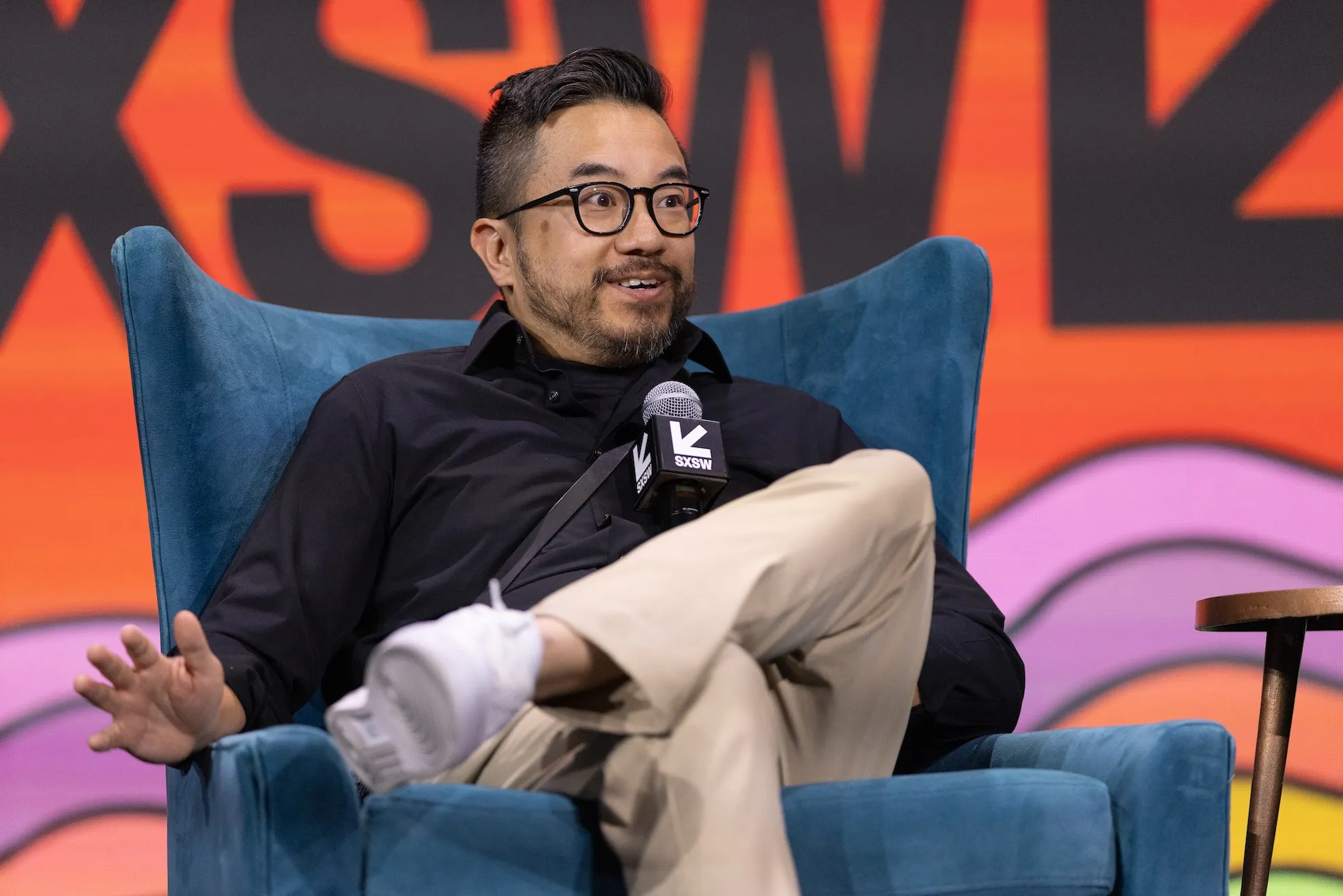
Y Combinator CEO Garry Tan has never been shy about his deep enthusiasm for the artificial intelligence boom, occasionally joking that he suffers from "cyber psychosis" and frequently forgoing sleep because he is so captivated by working alongside his AI agents. Now, the head of Silicon Valley’s premier startup accelerator has put a concrete financial figure on that passion, revealing the scale of resources he pours into cutting-edge technology.
Appearing on a forthcoming episode of Walter Isaacson’s podcast, The Builders, Tan disclosed that he invests between $100,000 and $200,000 annually purely on tokens. He utilizes these advanced AI agents for an array of professional projects and complex coding tasks. Demonstrating a commitment to the broader developer community, Tan has also openly shared his custom set of 23 Claude Code skills, known as "gstack," via GitHub, intending to help educate others on the practical capabilities of autonomous agents.
Tan’s reliance on artificial intelligence spans both his professional responsibilities and his deeply personal life. On the professional front, he uses AI much like many modern tech leaders do, employing agents to assist with background research for Walter Isaacson’s podcast and preparing for potential interview questions. However, his personal integration goes significantly further, with his custom agents having read through his entire digital footprint.
According to Tan, his system has ingested all of his email correspondence, his complete Dropbox storage, and all of his Apple Notes. Most strikingly, the AI has even processed his personal therapy notes spanning the past two decades.
Describing the experience of working with sophisticated AI agents, Tan likened it to having a constant, highly personalized companion. He compared the technology to having a "Jiminy Cricket on your shoulder at all times," noting that almost anything a person might want to do is within the agent’s understanding because it truly knows the user. He explained that the agent is always there to help, actively running ahead to ask proactive questions and assist the user in seeing around corners.
As an early adopter of OpenClaw who has since evolved into a power user, Tan emphasized that one of the most important lessons he has learned is the danger of treating modern AI agents like traditional software applications. He observed that some individuals remain overly concerned with absolute repeatability and rigid safety parameters, resulting in them sacrificing the organic, intuitive aspects of collaborating with an AI agent that can feel remarkably human in its interactions.
This philosophy is actively shaping operations at Y Combinator under his leadership. Tan revealed that the famed accelerator is currently utilizing an internal AI agent that is effectively rebuilding the way the organization operates. Named "Stray Light," the internal agent possesses its own distinct personality alongside a comprehensive company brain. Tan noted that the system holds the total contextual history of every single founder Y Combinator has ever backed, every incoming email, and every application submitted to the accelerator.
Naturally, as the leader of Silicon Valley’s most influential startup incubator, Tan is an ardent technologist who firmly believes that personal AI agents will eventually become mainstream for the general public. However, he cautioned that widespread adoption is contingent upon overcoming one major obstacle: the current cost structure of the technology must come down significantly.
Acknowledging the financial reality of his setup, Tan admitted that spending six figures a year on AI tokens is "a crazy privilege that not everyone can do." He stresses that for the technology to truly transform daily life for the average person, accessibility must improve.
At the same time, Tan expressed skepticism toward the prospect of relying entirely on free, centralized agents controlled by Big Tech companies. Reflecting on the broader implications of the tech industry and the societal impact of social media giants like Meta, he raised concerns about centralized algorithmic control. He pointed out that society already deals with massive corporations controlling algorithms that people often wish they could alter, suggesting that a superior alternative would be a personal AI that is entirely owned, controlled, and programmed by the individual user.
| Source | : | Finance Poetry |
| Author | : | rifanmuazin |
| Editor | : | Finance Poetry Editorial Team |