
Rivian Spin-Off Also Quietly Walks Away from Kenya EV Pilot to Focus on Consumer E-Bikes and Autonomous Delivery
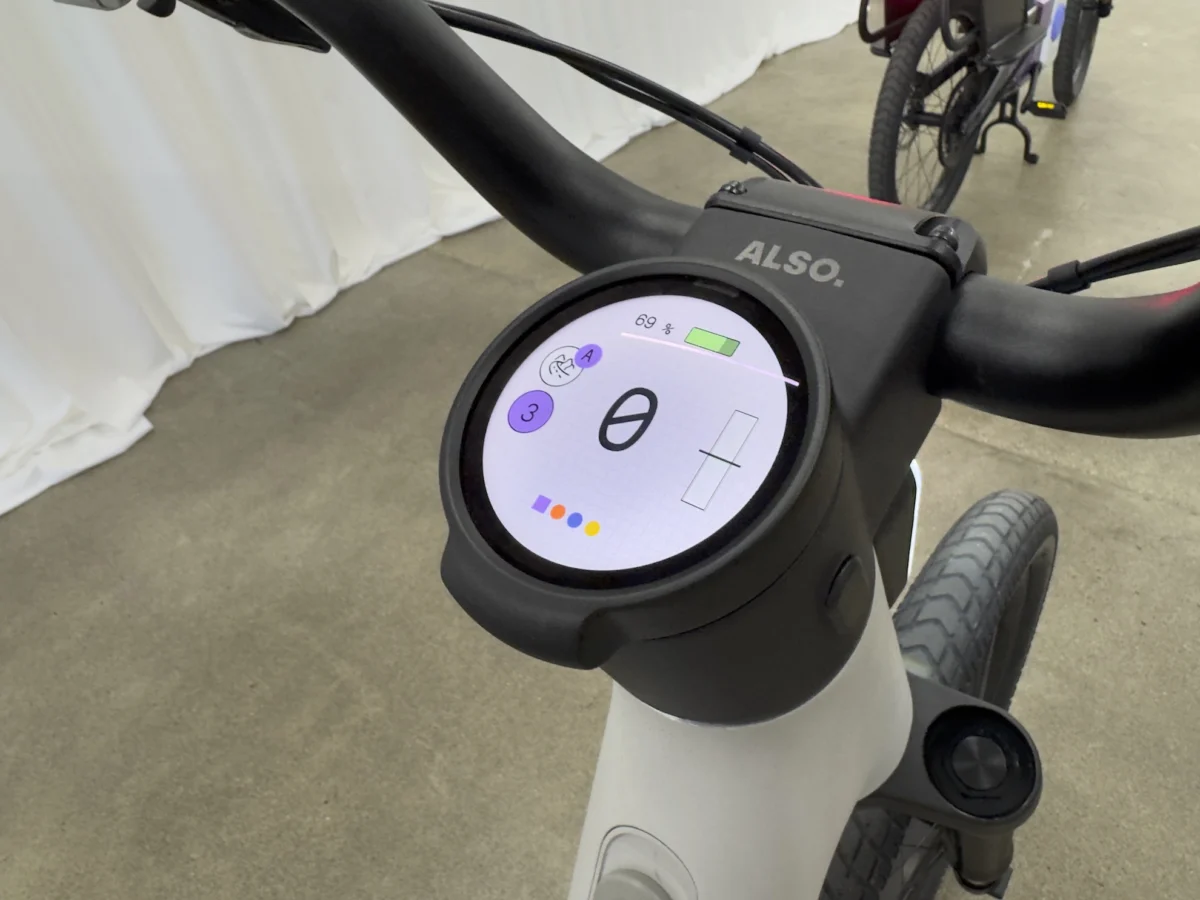
Also, the micromobility startup that spun out of electric vehicle manufacturer Rivian, quietly initiated and subsequently abandoned an electric two-wheeler pilot project in Kenya earlier this year. The strategic pivot was made as the young company sought to concentrate its financial and engineering resources on its core roadmap, which heavily emphasizes consumer e-bikes and autonomous vehicle ambitions.
The aborted project had originally secured grant funding from the Shell Foundation, an independent charity established by British oil and gas giant Shell plc. According to a section of the Shell Foundation’s official website that has since been quietly removed, the overarching objective of the initiative was to enable and de-risk global original equipment manufacturer entry into Africa’s rapidly expanding electric vehicle market. This was to be accomplished by piloting a locally integrated electric two-wheeler platform in Kenya, with the long-term potential to scale the model across East Africa.
The deleted web documentation noted that Also was expected to spearhead work on modular battery designs and distributed EV charging infrastructure. Furthermore, the startup planned on developing a purpose-built electric motorcycle specifically tailored to the unique demands of African riders.
The underlying business opportunity for electric motorcycles across the African continent appears exceptionally ripe, driven by a massive and entrenched two-wheeler transportation market. Local African mobility companies have demonstrated significant traction in the sector; for instance, rival firm Spiro recently reported that it has more than 130,000 electric motorcycles operating commercially across seven different countries, supported by an expansive network of 2,500 battery-swapping stations. This ongoing boom has increasingly drawn the attention of international mobility companies and global investors, who are actively pouring substantial resources into the region’s burgeoning EV space.
In an email statement to TechCrunch, Also confirmed that it had explored the pilot project in collaboration with an unnamed partner. However, the startup ultimately decided to pivot and focus strictly on its core roadmap after completing only some preliminary, early-stage work. Also noted that the grant funding it originally received from the Shell Foundation would follow the project to support its ongoing development, though company representatives declined to offer specific details regarding the financial transfer.
The Shell Foundation similarly addressed the initiative in an email, explaining that the project was intended to generate concrete evidence regarding driver income uplift potential, operational performance, and commercial viability. The goal was to deepen the foundation’s understanding of the broader market opportunity. However, when pressed for additional specifics by reporters, the Shell Foundation cited a nondisclosure agreement with Also and declined to elaborate. Just days after these inquiries, all references to the project vanished from the foundation’s website.
During an appearance last month at the annual TechCrunch Disrupt conference, Also co-founder and president Chris Yu shed more light on the initiative, explaining that the Kenya pilot initially made a great deal of strategic sense. The undertaking aligned closely with Also’s stated corporate mission to build small, purpose-built vehicles that are first and foremost cost-optimized to perform specific tasks required in distinct regional markets.
Despite this alignment, other high-priority corporate projects ultimately took precedence, according to Yu. Chief among these competing priorities was the development of small autonomous delivery vehicles, an ambitious initiative Also is pursuing as part of a high-profile partnership with delivery giant DoorDash.
Reflecting on the decision to abandon the African venture, Yu admitted that external pressures shifted their strategic focus. The startup piloted the concept and ultimately decided, largely due to the sheer urgency and accelerated pace surrounding autonomy, that their engineering attention would be best served by keeping fully focused on domestic autonomous tech in the near term. Yu added that he firmly believes there is a high probability that autonomy will manifest first, and at a much broader commercial scale, within these types of purpose-built smaller vehicles rather than scaling up within traditional passenger vehicles.
Walking away from the Africa pilot project unfolded against the backdrop of a somewhat rocky and turbulent first year of corporate independence for the Rivian spin-off.
Severe and persistent supply chain bottlenecks forced the company to repeatedly push back delivery timelines for its inaugural flagship product, a high-end consumer e-bike known as the TM-B. These delays naturally frustrated a wave of early customers who had placed reservations and eagerly awaited their vehicles. What exacerbated the situation was Also’s relative corporate silence throughout much of 2026 regarding concrete delivery dates—a communication failure that company leadership now freely acknowledges was a critical mistake.
Reflecting on the public relations misstep during his TechCrunch Disrupt interview, Yu offered a candid assessment of the company’s shortcomings over the summer months. He noted that the team did a pretty poor job communicating with reservation holders while they were waiting, acknowledging that they rightfully got called out for it. Despite the friction, Yu framed the customer pushback as a constructive experience, noting that it is genuinely hard to earn the opportunity for people to care deeply, tell the company what they think, and ultimately help the business improve.
Getting its very first product launch successfully back on track remains an existential priority for Also, especially given that the startup harbors commercial ambitions that stretch far beyond standard consumer e-bikes. The enterprise plans to manufacture and sell commercial cargo bikes to major corporate clients, including multi-year arrangements with companies like Amazon, which has committed to purchasing thousands of pedal-assist cargo vehicles from the Rivian spin-off. When combined with the ongoing DoorDash partnership, these commercial offerings represent much larger, long-term revenue opportunities for the business down the line, according to Yu.
For the immediate present, however, the TM-B consumer e-bike comes first. It remains Also’s most visible product in the eyes of the general public, and its striking, unconventional design has naturally drawn substantial consumer curiosity.
Yu emphasized that no single isolated problem was responsible for the cascading delays of the e-bikes, which finally began shipping to early customers in early October. Instead, Also spent a grueling portion of the year playing a high-stakes game of supply chain whack-a-mole. This challenge was made particularly acute by the TM-B’s immense technological complexity, with Yu describing the sophisticated machine as essentially being a computer on wheels.
At various points during the manufacturing crunch, Also found itself unexpectedly competing for the exact same raw materials and specialized components used to fabricate printed circuit boards for power-hungry AI data centers. At other times, the company wrestled with the arduous bureaucratic task of navigating complex government certification requirements across multiple regulatory jurisdictions.
Yu noted that the sheer scope of these manufacturing hurdles, combined with the rapid-fire pace at which entirely new problems popped up almost on a weekly basis, made it remarkably difficult to provide customers with reliable, definitive updates regarding why their bikes were stuck in limbo.
Describing the internal atmosphere, Yu explained that the entire team was running at a million miles an hour trying to get the units produced and shipped out the door, while simultaneously managing a constantly shifting operational landscape. In hindsight, Yu conceded that the team should have been more transparent from the outset, admitting that straight up telling customers they were actively chasing down supply chain hurdles and would provide regular updates shortly would have been the correct approach.
While that level of transparent communication did not happen consistently at first, Also has steadily improved its outreach efforts in recent months. These improvements have begun earning the company a degree of hard-won goodwill from consumer communities on platforms like Reddit. The startup will undoubtedly need every ounce of that consumer patience as it works through the inevitable technical kinks and manufacturing wrinkles that invariably accompany the rollout of any entirely first-generation product. Indeed, early customers who have received their shipments have already reported encountering initial problems, ranging from minor transit delivery damage to noticeable battery drain issues.
| Source | : | Finance Poetry |
| Author | : | rifanmuazin |
| Editor | : | Finance Poetry Editorial Team |