
Crypto Security Under Fire: Record Binance Theft and Polymarket Breach Spark Urgent Safety Debates
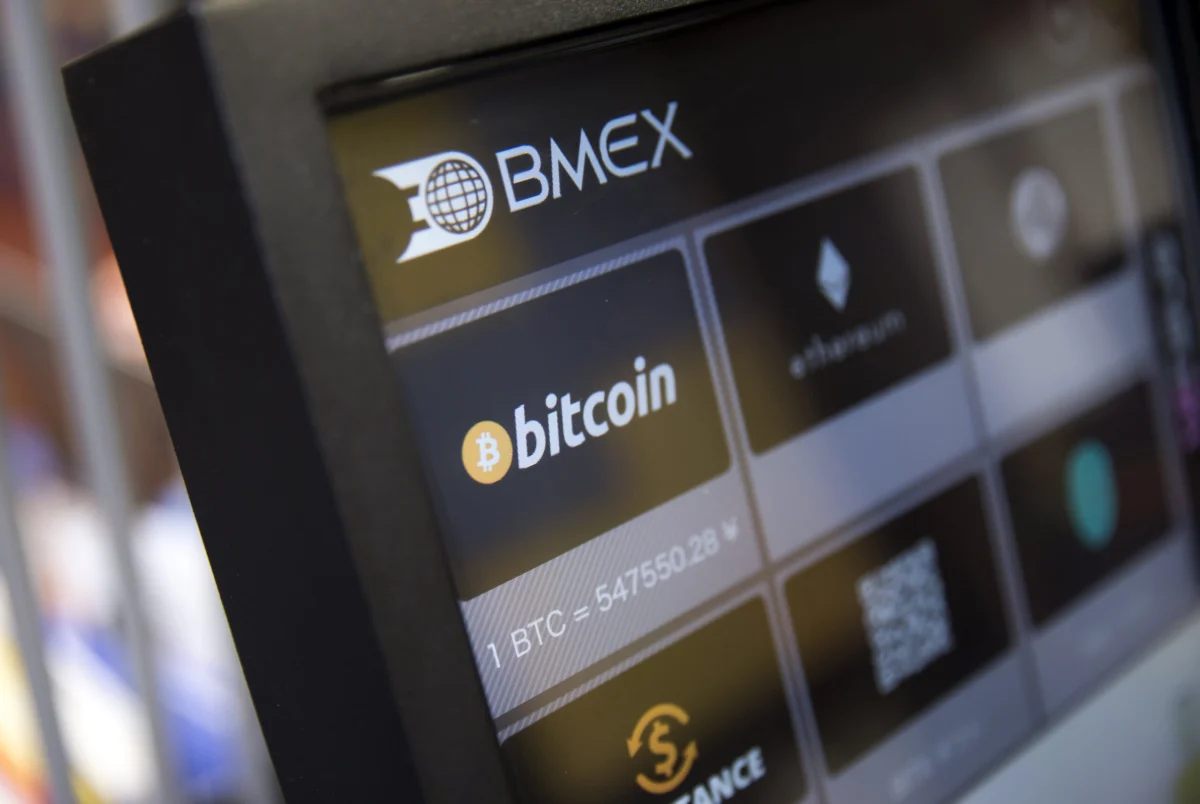
Two high-profile security breaches this week, highlighted by the largest cryptocurrency theft in recorded history, have reignited intense industry debates regarding the safety, vulnerability, and regulatory oversight of storing digital assets within crypto exchange wallets. The staggering losses have sent ripples through global financial markets and forced investors, regulators, and cybersecurity experts to reevaluate the structural risks associated with centralized and offshore trading platforms.
The primary catalyst for this week’s heightened market anxiety occurred on Thursday at digital asset exchange Binance, where a sophisticated security incident compromised roughly $6.3 billion in client assets. This massive breach instantly eclipsed all previous digital currency thefts, making it the largest crypto hacking incident on record. Just earlier that same day, prediction market platform Polymarket was forced to temporarily halt trading on its international exchange after a third-party data provider suffered a severe compromise. That breach resulted in at least $2.7 million being drained directly from users’ wallets, compounding an already turbulent 24 hours for the decentralized finance and trading ecosystem. Polymarket’s international platform operates natively on the Polygon blockchain.
Industry experts interviewed by CNBC noted that these successive security incidents on prominent crypto exchanges are hardly surprising, particularly in light of recent artificial intelligence hacking incidents and a rapidly evolving digital threat landscape. Most cybersecurity specialists warn that market observers and digital asset holders should expect further security disruptions, at least in the near term, as malicious actors increasingly leverage advanced automation and AI tools to probe and exploit network vulnerabilities.
Questions over the safety of users’ funds
The sheer scale of the Binance and Polymarket incidents has pushed the long-standing debate over self-custody versus exchange-held assets back to the forefront of financial discussions.
"I think it’s extremely dangerous," said Tyler Moore, a cybersecurity professor at the University of Tulsa who has closely followed the cryptocurrency asset class for more than a decade. "I think you should be very wary of leaving any significant amount of funds in an exchange… there are no built-in protections for when these inevitable hacks take place."
Moore pointed out a fundamental structural disparity between traditional financial institutions and the digital asset sector. For instance, everyday banking customers can rely heavily on the Federal Deposit Insurance Corporation (FDIC) to insure traditional fiat deposits up to $250,000 per depositor, per insured bank, in the catastrophic event of an institution’s failure or insolvency. By contrast, no similar form of mandatory government-backed insurance or regulatory coverage exists for funds lost directly from a cryptocurrency exchange during a cyberattack.
Despite the absence of statutory federal deposit insurance, both Binance and Polymarket moved quickly to reassure their user bases, publicly promising to cover the losses and make all affected investors entirely whole. According to Ido Ben-Natan, CEO of blockchain security firm Blockaid, this commitment signals a degree of institutional accountability that should help maintain user confidence in major crypto exchanges.
"I actually think no users will lose any money," Ben-Natan said during a recent media appearance. "Binance has said they’re going to cover everything… I actually don’t think it’s a bad idea for users to put money in these exchanges. These exchanges need to work really hard to make sure they don’t take another hit like this."
Ben-Natan acknowledged that while additional security breaches remain likely as the broader cybersecurity landscape undergoes rapid transformation driven by artificial intelligence, these trials will ultimately force the cryptocurrency industry to mature and strengthen its defenses. Consequently, he suggested that a professionally managed crypto exchange wallet could eventually become a significantly safer place to hold funds compared to other options, provided the industry successfully incorporates the painful lessons learned from handling these high-level attacks.
Vulnerabilities on offshore platforms
A critical nuance highlighted during the analysis of this week’s events is the distinct operational boundary between offshore platforms and strictly regulated domestic markets. While Binance experienced its unprecedented security incident on its offshore platform, its regulated, centralized U.S. exchange did not encounter a similar operational issue. The exact same regulatory and infrastructural divide applied to Polymarket’s domestic exchange operations.
Prominent U.S.-regulated trading platforms such as Coinbase and Robinhood were entirely unaffected by the security breach that hit Binance. Even so, the psychological impact of the news reverberated across traditional markets, causing shares of both Coinbase and Robinhood to decline during Friday trading sessions in the immediate aftermath of the reports.
Appearing on CNBC’s "Squawk on the Street" on Friday, Commodity Futures Trading Commission (CFTC) Chairman Michael Selig emphasized that the offshore nature of these compromised entities is a crucial distinction that market participants must understand. The CFTC serves as the federal regulator overseeing derivatives in the United States.
"They don’t have the same sorts of safeguards that we have in our financial markets," Selig said. "We want to offer a federal option to these exchanges to come and register with the CFTC, and they would be subject to the same sorts of cybersecurity safeguards that we have in our markets today."
However, Brett Falk, a professor and director of the Crypto and Society Lab at the University of Pennsylvania, expressed skepticism regarding the immediate efficacy of traditional regulatory frameworks against sophisticated intrusions. Falk noted that U.S. regulatory mandates likely would not have prevented an incident like the one Binance suffered, given that initial indications suggested the hack may have originated from a compromised DevOps engineer’s laptop, as Binance disclosed in a post on the social media platform X.
"Most of the regulation doesn’t touch the specific software stack you have to use to authenticate people," Falk explained. In a subsequent social media update, Binance noted that its ongoing internal investigation had uncovered additional points of breach, though the company did not immediately specify the exact vectors involved.
A unique target in a changing landscape
Falk echoed earlier sentiments expressed by Ben-Natan, suggesting that individual traders are unlikely to face permanent financial losses from these specific events. Furthermore, he argued that leaving funds with an established exchange that possesses the corporate financial backing to cover liabilities can sometimes be preferable to relying entirely on self-custody wallets, where an individual user has zero recourse or safety net if their private keys are compromised or stolen.
Ben-Natan added that retail traders should also take confidence from the countless silent victories achieved by blockchain security firms, noting that security technology frequently intercepts and neutralizes malicious attempts behind the scenes before they ever escalate into headline-grabbing news events.
Nevertheless, experts emphasize that cryptocurrencies and digital asset platforms represent a uniquely lucrative target for modern cybercriminals within a rapidly shifting threat environment. This heightened vulnerability stems primarily from the massive amounts of liquid capital that can be accessed, transferred, and laundered almost instantaneously following a successful network breach.
This persistent threat environment is precisely why industry leaders are urging extreme caution. Ryan Kirkley, CEO of blockchain infrastructure firm Global Settlement Network, advises traders to refrain from leaving significant capital in any digital wallet or platform that lacks comprehensive asset insurance until financial institutions and crypto firms successfully upgrade their underlying security infrastructure.
"I do not think there’s anything right now that is a common solution in the marketplace where your assets are truly safe," Kirkley said. "Unless you are dealing with a reputable and firm broker-dealer that provides an asset insurance, you are risking your assets putting them into any ecosystem today just simply because there’s so much unknown," he added.
| Source | : | Finance Poetry |
| Author | : | rifanmuazin |
| Editor | : | Finance Poetry Editorial Team |