
ANZ CEO Matos Warns of Global Jobs Crisis Without AI Rules
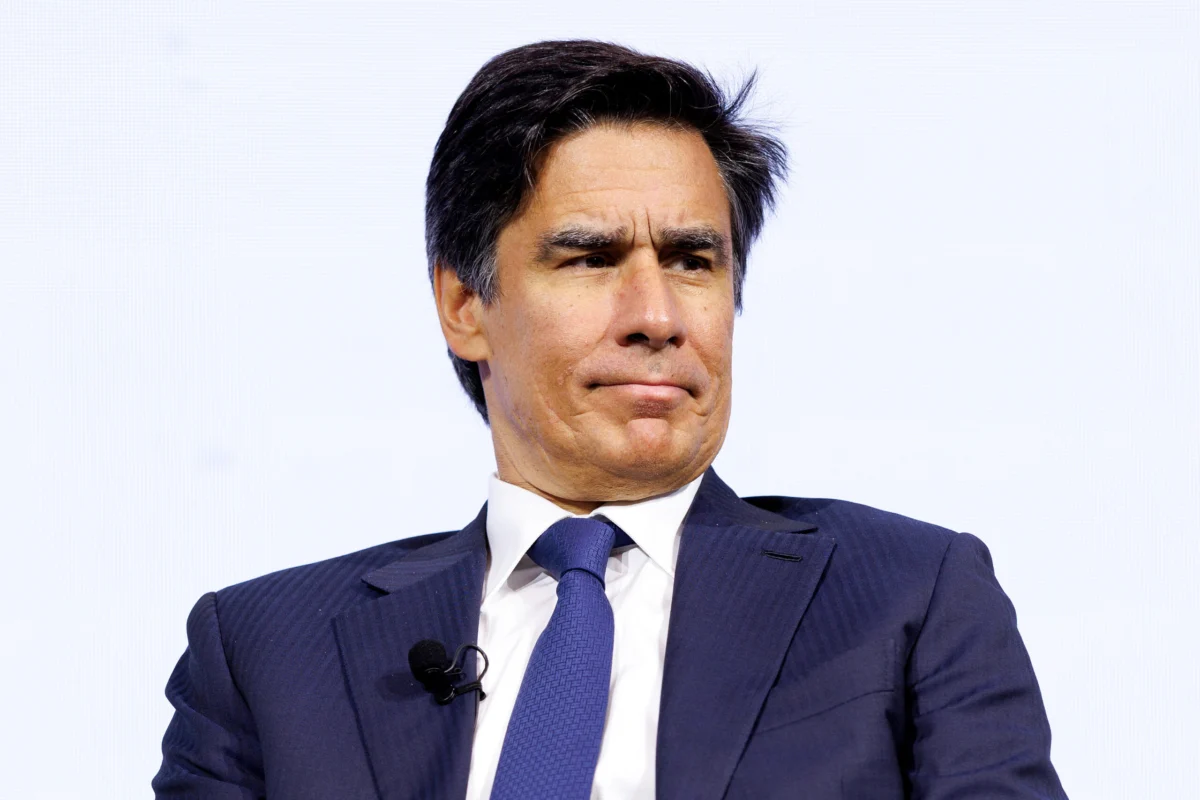
Speaking during a parliamentary hearing in Canberra on Thursday, Matos addressed the profound challenges that large-scale automation and artificial intelligence integration could pose to workers across various industries worldwide. He emphasized that the stakes extend far beyond national borders or any single financial institution, noting that unchecked workforce displacement could destabilize global economies.
Should large-scale job cuts of up to 50% emerge across sectors due to rapid technological adoption, Matos warned that the resulting turmoil would transcend regional boundaries. "We’ll have a crisis and it’s not going to be in Australia, it’s going to be a global crisis," Matos told lawmakers during the parliamentary session. He stressed that artificial intelligence represents a rare and critical policy challenge that requires international cooperation and oversight. "This is one of the few examples where I would say some global regulation is needed to make sure that society does not go into trouble," he added.
The warnings from the chief executive come against the backdrop of shifting employment trends within the financial services sector and the broader corporate landscape. The adoption of artificial intelligence tools among Australia’s major banks in recent years has occurred concurrently with workforce reductions amid a challenging macroeconomic environment. These concurrent trends have drawn intense scrutiny from labor representatives and skeptics, including Australia’s finance sector union, which has openly accused financial institutions of actively replacing human employees with automated systems and algorithms.
Beyond banking, the restructuring wave driven by technological retooling has affected high-profile companies across the global technology and digital services sectors. Canva Inc., a prominent Australian-founded design software company, announced a sweeping organizational overhaul this month that will see 22% of its staff depart. Similarly, technology giant Microsoft Corp. has implemented measures offering buyouts to approximately a quarter of its vast 223,000-person workforce as part of a broader corporate strategy to retool its personnel and operations for the burgeoning artificial intelligence era.
Reflecting on these sweeping industry adjustments, Matos underscored the necessity of international administrative alignment to safeguard livelihoods. "I hope that obviously the world and the administrations are capable of cooperating and ensuring that this technology does not create a social problem at a global level," Matos stated during the hearing.
To mitigate individual career risks amid this technological transition, Matos advised workers to proactively develop their artificial intelligence proficiencies. He suggested that acquiring advanced digital and technical capabilities helps minimize the risk of job displacement by colleagues who demonstrate higher technical fluency. Furthermore, he pointed to internal initiatives at ANZ designed to foster workforce adaptability and build staff capacity organically from within the organization.
These parliamentary remarks amplify previous concerns voiced by Matos concerning the fast-evolving technology. He has consistently highlighted that artificial intelligence, if deployed carelessly, could introduce severe operational vulnerabilities, particularly by creating new vectors for financial crime and acting as economic choke-points that malicious actors could exploit to target banking infrastructure.
Elaborating on these security risks, Matos pointed to the dual nature of the technology. "AI has a dark side," he remarked. "Wide adoption of AI without having the adequate guardrails—it’s a big problem. No banks should be building AI without building the right controls," he said. He noted that ANZ is actively constructing its own proprietary control platform to oversee and govern the deployment of artificial intelligence applications across the breadth of the bank’s operations.
At the same time, financial institutions are increasingly leveraging the same technology defensively. Matos highlighted that ANZ is utilizing artificial intelligence systems to enhance its operational defenses, specifically focusing on fraud prevention and the proactive identification of cyber weaknesses across its digital ecosystem.
(Photograph: ANZ CEO Nuno Matos; photo credit: Brendon Thorne/Bloomberg)
(Copyright 2026 Bloomberg)
| Source | : | Finance Poetry |
| Author | : | rifanmuazin |
| Editor | : | Finance Poetry Editorial Team |