
Nationwide Ground Stop Leaves Thousands of Travelers Stranded: Understanding Your Rights and Airline Policies
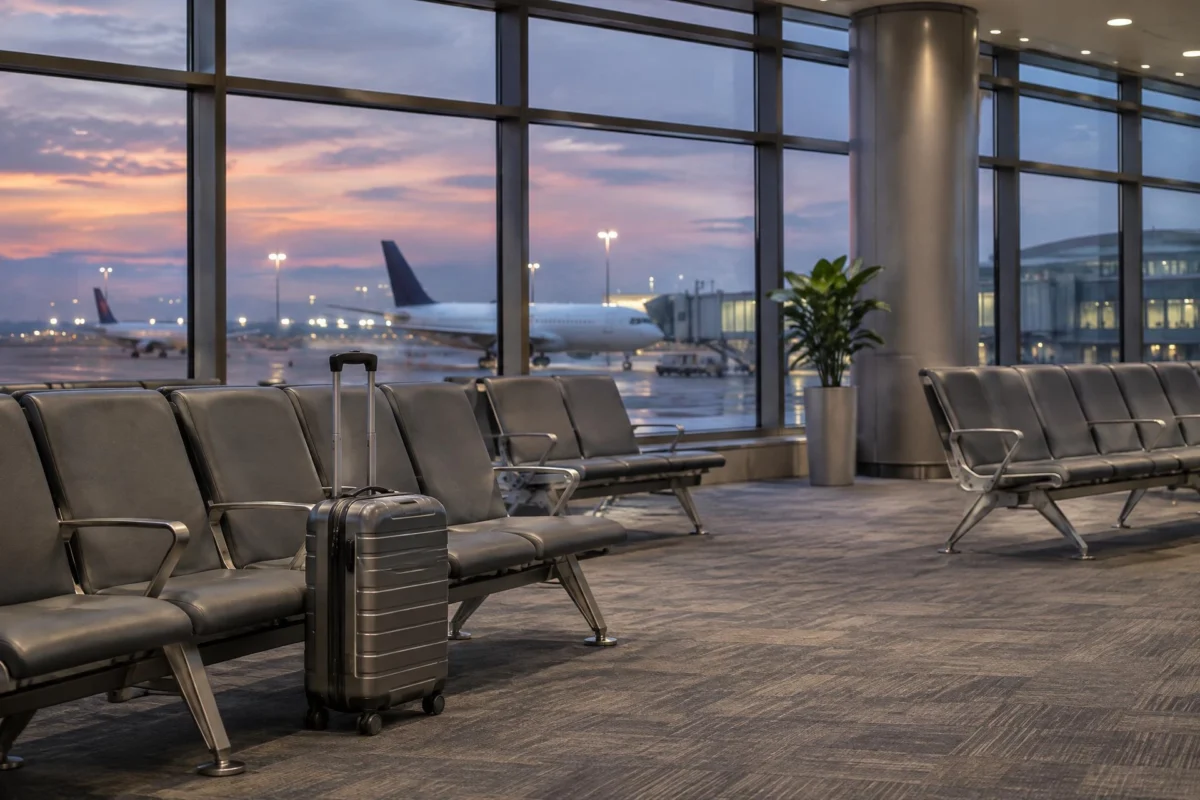
Travelers at airports across the United States found themselves stranded in a state of travel limbo amid a sudden nationwide ground stop that disrupted schedules from coast to coast. The sweeping operational halt sent shockwaves through the national aviation network, creating cascading delays and leaving passengers searching for answers regarding their itineraries and travel rights.
According to data compiled by flight tracking service FlightAware, more than 10,000 flights nationwide had been delayed as of 7 p.m. Eastern Time on November 13. While not every single delay was directly attributable to the ground stop, the overall tally continued to tick steadily upward as federal aviation authorities worked to address the root cause of the disruption.
The Federal Aviation Administration (FAA) attributed the crisis to what it described as a temporary telecommunications outage. As technical teams scrambled to restore full operational capability, airports filled with frustrated passengers attempting to rebook canceled flights or waiting out lengthy delays with uncertain departure times. In the midst of the confusion and widespread disruption, many travelers naturally began wondering what financial compensation or assistance they might be owed for their considerable trouble and lost time.
For many passengers, the immediate legal and financial reality can be disappointing. The short answer regarding automatic cash compensation for weather events or nationwide telecommunications outages is often nothing. However, federal regulations and individual carrier policies establish clear parameters regarding refunds, rebooking options, and ancillary support when travel plans go awry due to systemwide technical failures.
What Am I Owed If an Airline Cancels My Flight?
When an airline cancels a flight, Department of Transportation (DOT) rules provide a baseline of consumer protection that applies regardless of the circumstances. Under these federal regulations, airlines are strictly required to offer travelers a full refund if their flight is canceled for any reason whatsoever, provided the passenger decides they no longer wish to fly. This refund mandate applies across all ticket types, including basic economy fares that are typically designated as non-refundable.
If a passenger chooses to continue their trip rather than abandon travel plans altogether, they are legally entitled to penalty-free rebooking on the same airline. This ensures that travelers are not financially penalized or forced to pay higher fare differences when the carrier fails to operate the scheduled flight.
However, the distinction between controllable and uncontrollable cancellations is critical when determining whether additional compensation is owed. If a cancellation is entirely outside of the airline’s direct control—such as the nationwide ground stops, severe weather phenomena, or air traffic control initiatives—the only thing travelers are legally owed under federal guidelines is a complete refund or a secure rebooking option.
Conversely, if the cancellation is determined to be within the carrier’s control, the financial and logistical obligations shift significantly. Controllable cancellations typically stem from internal operational failures, such as chronic staffing shortages, scheduling errors, or preventable mechanical maintenance issues. When an airline cancels a flight for reasons within its control, travelers may be owed additional forms of assistance and compensation beyond a simple refund or rebooking.
Am I Owed Compensation If My Flight Is Delayed?
Flight delays introduce another layer of complexity for stranded passengers navigating a disrupted travel network. Travelers whose flights experience significant delays—defined by federal standards as a delay of at least three hours for domestic flights or six hours for international journeys—are entitled to a full refund of their ticket price if they decide that the delayed departure no longer serves their travel needs and they choose to abandon the trip.
If passengers decide to stick it out and wait for their delayed flight, the level of support they receive depends heavily on the root cause of the delay. If the significant delay is caused by factors outside of the airline’s control, such as a nationwide ground stop, severe meteorological events, or regional air traffic congestion, they are not owed any extra compensation or vouchers from the carrier beyond the opportunity to wait for the rescheduled departure.
If the significant delay is classified as controllable by the airline, travelers are entitled to specific forms of support and compensation comparable to what is mandated for controllable cancellations. It is important for passengers to understand that federal regulations do not mandate direct cash compensation for domestic delays or cancellations. Instead, airline commitments for controllable disruptions typically take the form of practical assistance, such as hotel accommodations for overnight delays, meal vouchers to cover sustenance during long waits, and complimentary ground transportation between the airport and lodging facilities, depending on the specific airline’s policies. Comprehensive details regarding individual carrier commitments can be found directly on the Department of Transportation’s official Airline Customer Service Dashboard.
Even in situations where nothing is strictly owed by regulation, human factors can still play a role at the airport gate or ticket counter. Airline customer service representatives often possess discretionary power to provide meal vouchers, frequent flyer mileage credits, or other goodwill gestures on a case-by-case basis. Because of this operational flexibility, maintaining a polite, courteous demeanor when interacting with gate agents can yield positive results, making it well worth the effort to politely ask about available assistance.
What Is the Cancellations and Delay Dashboard?
Navigating the various policies of different commercial carriers can be a daunting task for consumers, particularly during a massive systemwide disruption. To bring transparency to airline customer service commitments, the Department of Transportation operates an online resource known as the Airline Customer Service Dashboard. This tool clearly outlines what individual airlines have officially pledged to provide customers who are affected by controllable cancellations or lengthy delays.
The online dashboard utilizes an intuitive, easy-to-read format featuring simple green checkmarks and red "X" symbols. This visual layout allows travelers to see at a single glance which major domestic airlines guarantee specific services and amenities during controllable disruptions. These guaranteed accommodations may include free rebooking services, meal or snack vouchers, hotel accommodations for extended delays, and ground transportation to and from lodging locations.
For airlines that are not explicitly highlighted on the central dashboard, passenger rights and customer service commitments can still be reviewed. Those carriers are required to post their specific customer service plans and operational commitments directly on their respective corporate websites, ensuring that travelers have access to policy details before or during their journey.
What Can Travelers Do?
As thousands of passengers waited out the nationwide ground stop and monitored shifting flight boards, aviation experts emphasized the importance of remaining proactive and informed. Derek Cann, a flight expert at travel platform Going, shared key tactical suggestions for travelers caught in the middle of widespread aviation gridlock, encouraging patience, constant monitoring of flight status applications, and maintaining direct communication with air carriers to secure alternative routing as quickly as possible.
As the Federal Aviation Administration and telecommunications technicians worked to resolve the underlying technical outage, airports remained crowded with hopeful passengers. While the immediate aftermath of a nationwide ground stop offers limited financial remedies under federal law, understanding the baseline requirements for refunds and keeping a close eye on airline commitments can help travelers navigate the complexities of modern air travel disruptions with greater confidence.
Contributing: Zach Wichter
Reporting by Eve Chen, USA TODAY / USA TODAY
USA TODAY Network via Reuters Connect
| Source | : | Finance Poetry |
| Author | : | rifanmuazin |
| Editor | : | Finance Poetry Editorial Team |