
Target Reports Strongest Sales Growth in Five Years, Raising Full-Year Guidance as Turnaround Takes Hold
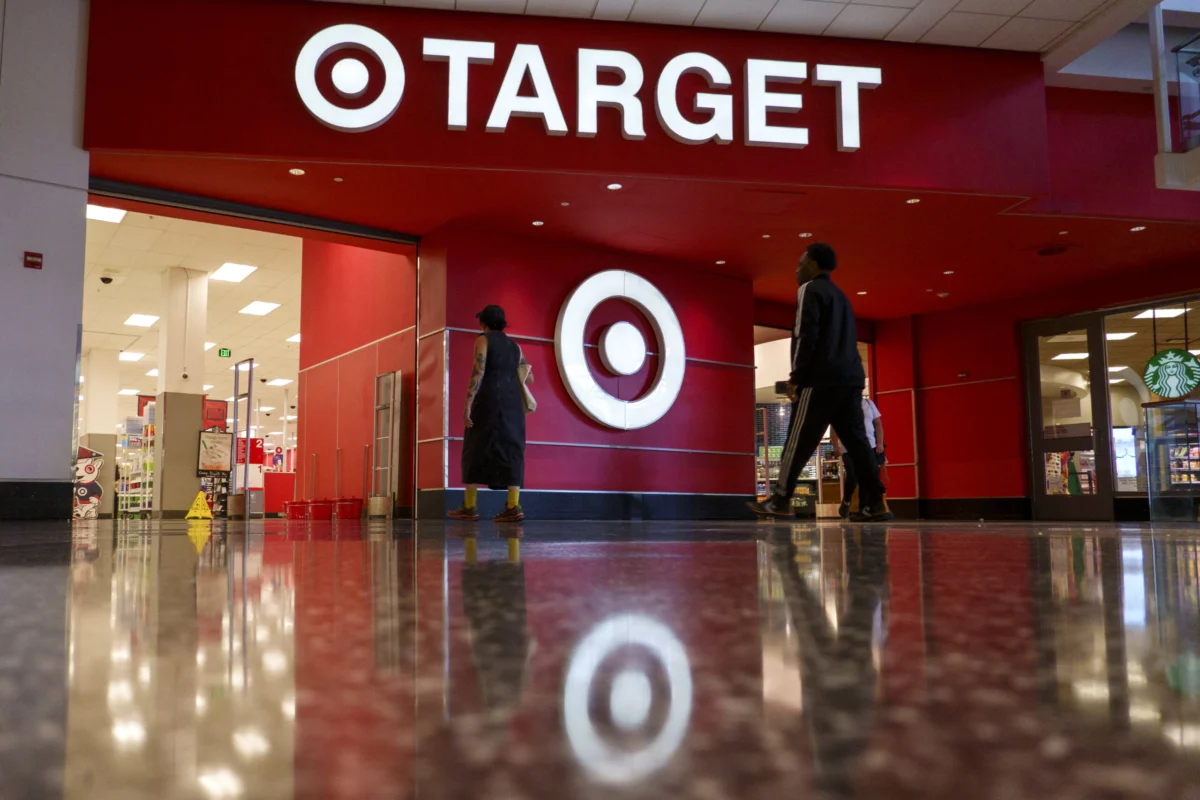
Target on Wednesday reported its best sales growth in over five years and surpassed Wall Street’s revenue expectations, delivering the latest and most pronounced sign that the retail giant’s ongoing turnaround strategy is firmly taking hold.
The Minneapolis-based retailer announced that its net sales grew by 7.1% during the third quarter, while comparable sales rose 5.6%, easily outperforming StreetAccount consensus estimates that had projected an increase of roughly 3.8%. This robust performance was significantly bolstered by a 5% increase in comparable customer traffic, highlighting a welcome return of shoppers to both physical storefronts and digital platforms.
"It’s a healthy sign that guests are responding to our changes and choosing Target more often," Target CEO Michael Fiddelke told reporters during a financial briefing on Wednesday.
The momentum extended deeply into the company’s e-commerce operations, with digital comparable sales jumping nearly 10% during the three-month period. Encouraged by the broad-based strength and the positive reception of its strategic adjustments, Target raised its full-year financial guidance. The company upped its net sales growth projection by one full percentage point to around 6% for the year. Additionally, Target is now expecting its full-year operating income margin rate to land at approximately 6.2%, a figure that includes roughly 1.1 percentage points of benefit stemming from tariff refunds.
Reflecting this upward revision in operational performance, the company stated it now anticipates full-year earnings per share to fall within a range of $10.65 to $11.40. This represents a notable upward adjustment compared with its previous guidance, which sat between $9.90 and $10.90 per share.
"The changes we’ve made across our assortment and guest experience are adding up," Fiddelke told reporters, emphasizing the cumulative effect of strategic investments the retailer has rolled out over the past several quarters. "While we’re encouraged by the progress, we know there’s more work ahead to sustain this momentum and deliver consistent growth over time."
For the fiscal third quarter, which ended on October 31, Target reported a net income of $1.21 billion, or $2.65 per share. This marked a sharp and impressive increase from the $689 million, or $1.51 per share, recorded during the same period the previous year.
The impressive financial results come on the heels of substantial capital investments by the retailer. This year, the company has invested approximately $3.8 billion in capital expenditures, representing an increase of nearly $1 billion compared to the previous year. Pointing to the tangible returns generated by these investments, Fiddelke revealed that Target is now anticipating an even larger capital expenditure program next year, with plans to invest between $5 billion and $6 billion in capex.
A closer look at the quarterly performance reveals specific areas of retail strength across Target’s vast product ecosystem. The company reported particular buoyancy in its beauty division, which delivered a stellar 9% growth rate. Meanwhile, the food and beverage category also performed exceptionally well, with sales climbing nearly 7%. Target noted that net sales rose steadily across all three individual months of the third quarter, with the single strongest performance materializing during the crucial back-to-school shopping season.
Fiddelke told reporters that the quarterly strength demonstrated "continued progress" toward the strategic priorities that the executive team outlined at the very beginning of its comprehensive business turnaround.
As the retailer now sets its sights on the critical holiday shopping season, Target outlined several consumer-facing initiatives designed to maintain customer engagement and drive sales volume. The company said it is actively marketing thousands of distinct products priced at $5 and under, aiming to capture budget-conscious shoppers who are navigating a complex economic landscape. In tandem with these value-driven offerings, Target is rolling out new artificial intelligence-powered shopping experiences designed to personalize and streamline the digital and in-store customer journey. Fiddelke noted that corporate leadership is notably "encouraged" by the shopping behaviors and early consumer demand patterns observed so far in the current quarter.
The major big-box retailer has increasingly exhibited clear signs of returning to sustainable growth after enduring a prolonged period of flat revenue trends. These latest strong sales figures arrive on the heels of last quarter’s positive reports, when Target similarly hiked its full fiscal-year outlook and highlighted "broad-based" strength across its diverse merchandise categories.
A cornerstone of Target’s turnaround strategy has been an aggressive approach to pricing and value. In an effort to coax wary consumers back into its aisles—particularly at a time when consumer sentiment continues to lag and persistent inflation exerts pressure on household budgets—the retailer has lowered prices on more than 10,000 items over the course of its turnaround efforts. Building on that strategy, the company disclosed on Wednesday that it cut prices on an additional roughly 2,000 items during the third quarter alone.
Bolstered by these operational adjustments, expanding margins, and stronger-than-expected consumer demand, Target’s stock has performed exceptionally well on Wall Street, rising by more than 60% over the course of the year.
| Source | : | Finance Poetry |
| Author | : | rifanmuazin |
| Editor | : | Finance Poetry Editorial Team |