
EU Proposes 22nd Sanctions Package Targeting Russian Crypto, Banks, and Sports Influence
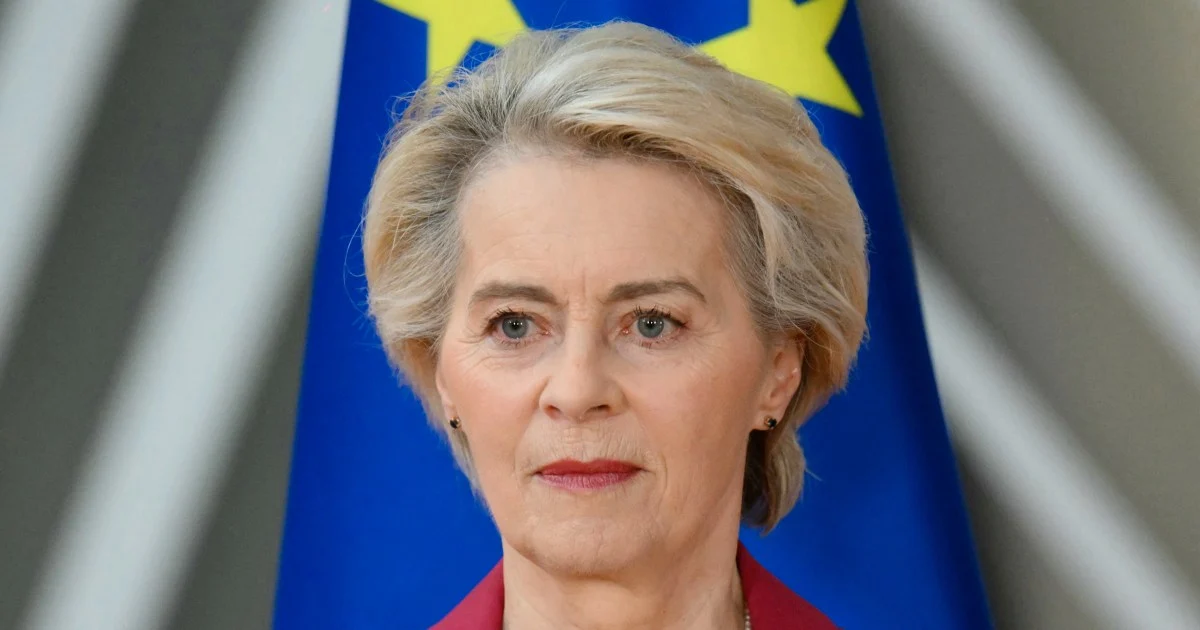
The European Commission has unveiled a sweeping new package of sanctions aimed squarely at cutting off Russia’s remaining financial lifelines, clamping down on illicit cryptocurrency platforms, and eliminating what it describes as state-backed propaganda within European sporting and cultural arenas.
European Commission President Ursula von der Leyen introduced the bloc’s 22nd package of sanctions, marking another escalation in the European Union’s ongoing economic response to the conflict in Ukraine. The latest proposals feature a rigorous set of measures designed to isolate Russian financial institutions, restrict digital asset channels used for sanctions evasion, and bar Russian teams and individual athletes from competing under the national flag at any events hosted within the European Union.
“We are striking harder at Russia’s ways to finance its war, by targeting its banks and crypto platforms,” von der Leyen wrote in a statement published on social media platform X. She added that the European Union would officially be “shutting the door to its participation in European sports and cultural events,” signaling a broader ideological and financial decoupling from Russian influence networks.
Economic Pressure
At the core of the new economic measures is a sweeping escalation of banking restrictions. Von der Leyen announced that 60 additional Russian banks will be completely removed from the Society for Worldwide Interbank Financial Telecommunication, commonly known as the SWIFT messaging system. This vital secure network underpins international financial payments, and cutting these institutions off is intended to severely hamper cross-border transactions and maintain relentless economic pressure on Moscow, nearly five years into its full-scale invasion of Ukraine.
Alongside the banking restrictions, the European Commission has announced the creation of a specialized crypto sanctions task force. This newly formed body will specifically seek to curb third-party countries and intermediary networks that assist Russia in evading existing Western financial restrictions through digital assets and decentralized finance channels.
Furthermore, the sweeping proposals introduce a strict visa ban specifically targeting Russian individuals who have fought in the war in Ukraine. Highlighting the security implications of returning combatants, von der Leyen emphasized the necessity of these travel restrictions for the safety of the continent.
“Russian ex-combatants pose a security risk to Europe. They cannot be allowed to wander freely across our countries,” von der Leyen stated, outlining the rationale behind the travel prohibition.
“Propaganda Activities”
Beyond traditional financial and security measures, the newly proposed legislative package takes direct aim at what Brussels views as the weaponization of cultural and athletic platforms. The plan puts forward strict new restrictions on financial flows moving from Russian corporate sponsors directly to sports and cultural associations based within the European Union.
Under the proposed rules, Russian nationals would also be permanently barred from holding leadership positions on the governing bodies of European sports federations, ending years of high-ranking administrative representation by individuals tied to the Russian state.
“Sports events cannot be a forum for propaganda activities,” von der Leyen stated, underscoring the commission’s determination to purge political messaging and state-backed influence from international athletic competitions hosted on EU soil.
The unveiling of this latest package comes just over a month after the bloc implemented its largest single listing of sanctions against Russia to date. That previous wave targeted approximately 1,600 Russian officials and corporate entities directly linked to the nation’s defense and arms manufacturing sectors. To date, the European Union has imposed restrictive measures on more than 4,200 individuals and entities, a comprehensive roster that already includes Russian President Vladimir Putin and numerous major energy conglomerates.
However, before these newly announced proposals can officially go into force, the 22nd sanctions package must secure formal endorsement and unanimous approval from all 27 EU member states, a legislative hurdle that will test the diplomatic alignment of the bloc as the conflict approaches its fifth year.
| Source | : | Finance Poetry |
| Author | : | rifanmuazin |
| Editor | : | Finance Poetry Editorial Team |