
Insights from the Frontlines: Jean Chatzky Shares Wisdom for the Next Generation of Finfluencers at The American College’s Horizons Conference
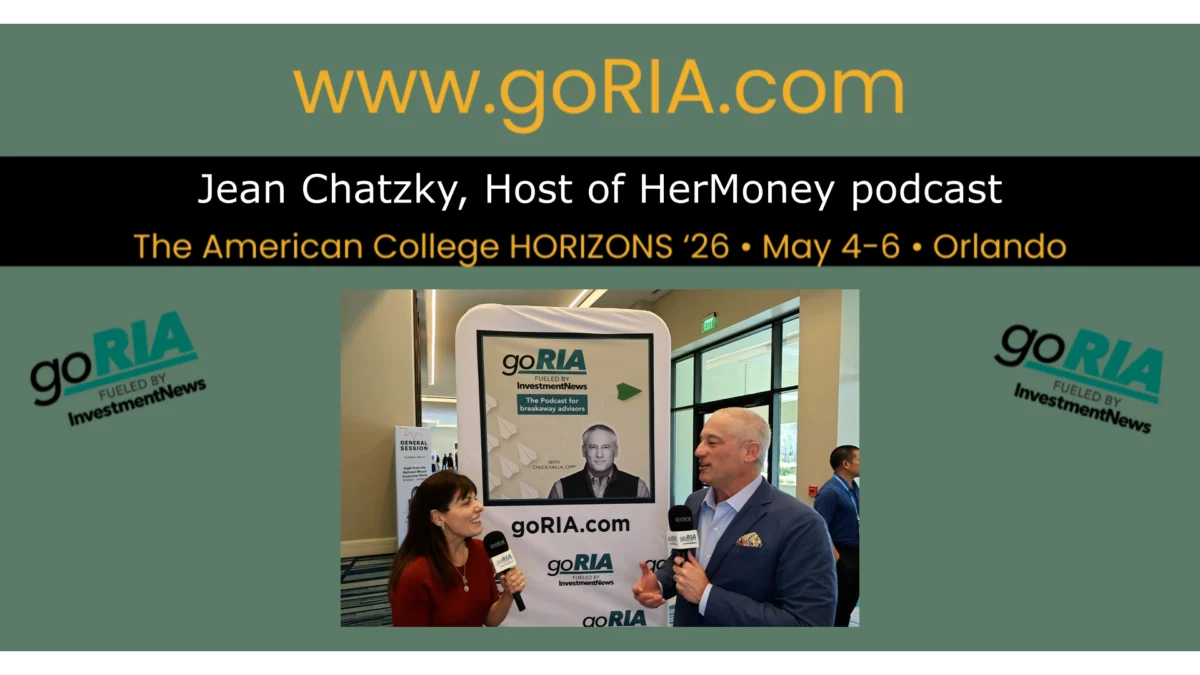
The financial services landscape is undergoing a profound transformation, driven not only by shifting market dynamics and regulatory changes but by the rapid evolution of how consumers receive and process financial information. As the digital age matures, the rise of the "finfluencer"—social media-savvy individuals who disseminate financial advice and commentary—has become a dominant force in retail finance. Addressing this shifting paradigm directly, the industry’s leading thinkers and practitioners gathered in Orlando, Florida, for The American College’s prestigious Horizons Conference.
Among the high-profile experts present was Jean Chatzky, the renowned personal finance expert, journalist, and host of the HerMoney podcast. During a live, on-location segment hosted by Chuck, Chatzky provided a masterclass on the evolution of financial communication, offering essential advice for the next generation of financial influencers. Her insights, delivered against the backdrop of one of the industry’s most significant annual gatherings, underscored the delicate balance between accessible digital communication and the professional standards of the financial advice community.
For those aspiring to become voices of authority in the digital space, Chatzky’s message was one of cautious optimism. As someone who has operated at the intersection of media and finance for decades, she is uniquely positioned to evaluate the current state of "finfluencing." Having bridged the gap between traditional broadcast journalism and the modern, decentralized world of social media, she represents a bridge between the "OG" era of financial education and the current explosion of bite-sized, algorithmic-driven content.
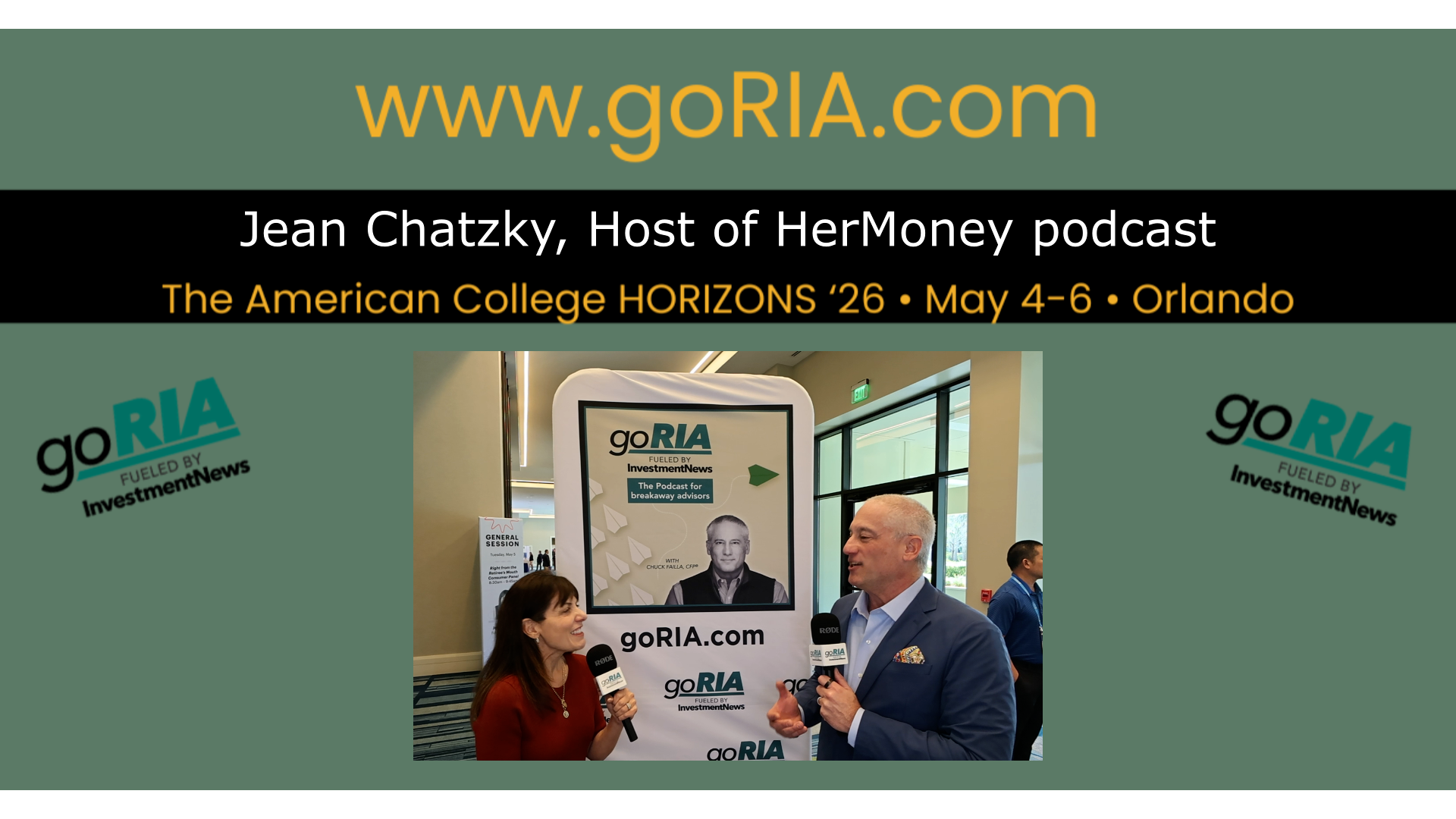
The conversation between Chuck and Chatzky touched upon the core tension currently facing the industry: how to deliver complex financial guidance in a way that is both accurate and engaging, without falling prey to the pitfalls of clickbait culture or misleading financial trends. For Chatzky, the responsibility of the influencer is paramount. She emphasized that while the reach provided by platforms like TikTok, Instagram, and YouTube is unprecedented, it carries with it a burden of trust that cannot be compromised.
The Evolution of the Finfluencer
The term "finfluencer" has, at times, carried a pejorative connotation, often associated with rapid-fire, high-risk investment advice or the promotion of speculative assets. However, Chatzky’s perspective leans toward a more professionalized vision of the role. She argued that the democratization of financial information is a net positive, provided that those leading the conversation are grounded in ethical principles and sound financial theory.
For the aspiring finfluencer, the path forward involves recognizing that financial advice is not merely about gaining followers or going viral. It is about the long-term impact on the financial well-being of the audience. Chatzky stressed that credibility is the currency of the modern digital advisor. In an era where misinformation can spread globally in seconds, the ability to cite credible sources, explain the risks associated with financial products, and maintain a commitment to transparency is what will distinguish a sustainable career from a fleeting trend.

During their discussion at the Horizons Conference, Chatzky highlighted that the most effective influencers are those who treat their audience with the same level of respect as a client sitting across the desk in a private office. This means avoiding the trap of oversimplification. While social media platforms thrive on short-form content, financial topics often require nuance, context, and a clear understanding of the individual’s unique circumstances. The challenge for the modern communicator is to simplify the complex without stripping away the vital context that prevents people from making irreversible financial mistakes.
Bridging the Gap: The Role of The American College
The setting of this dialogue—The American College’s Horizons Conference—was particularly significant. As a premier institution for financial education, The American College serves as a hub for professionals dedicated to maintaining high standards of practice and ethical conduct. By bringing together voices like Chatzky’s, the conference facilitates a critical dialogue on how traditional professional standards can be adapted to the digital-first habits of the modern investor.
The event in Orlando served as a nexus for these discussions, featuring a robust lineup of speakers and sessions focused on the future of the profession. Beyond the segment with Chatzky, the conference highlighted several other key perspectives that define the current financial advice landscape. For example, the event explored the critical work of Ed Slott, of Ed Slott & Company, whose expertise in retirement and tax planning remains a cornerstone for advisors looking to provide high-value, technical guidance. Similarly, discussions led by experts such as Eric Ludwig of The American College and Jamie Hopkins of Bryn Mawr Trust underscored the importance of technical proficiency in areas ranging from estate planning to longevity risk.

These sessions collectively painted a picture of an industry in transition. The common thread among these leaders is a commitment to the fiduciary standard and the belief that education is the most powerful tool an advisor possesses. Whether through a traditional client-advisor relationship or through the broader medium of social media influence, the core objective remains the same: to empower individuals to make informed decisions that protect and grow their assets over the long term.
The Future of Financial Communication
As the segment concluded, the focus shifted to the future. What does the next decade hold for those looking to build their brand in the financial space? Chatzky’s advice suggested that the "noise" in the financial media environment will likely increase, not decrease. Consequently, the ability to cut through that noise with a clear, honest, and educational voice will become increasingly valuable.
For new entrants into the field, the advice is to start by focusing on a niche where they can provide genuine value. Trying to be everything to everyone is a recipe for dilution. Instead, developing a deep understanding of a specific area of finance—whether it is student loan management, retirement income strategies, or the complexities of tax-efficient investing—allows the creator to build a foundation of trust. Once that trust is established, the audience is more likely to stay engaged through market volatility and shifting economic conditions.

The importance of this work cannot be overstated. As the American financial landscape continues to grapple with issues like the retirement savings gap, rising cost-of-living pressures, and the increasing complexity of government benefit programs, the need for reliable, accessible information is higher than ever. The influence of figures like Jean Chatzky helps ensure that the voices shaping public opinion on these matters are not just loud, but also informed, responsible, and dedicated to the success of the average investor.
The American College’s Horizons Conference, through its ongoing commitment to bringing these conversations to the forefront, continues to play a vital role in shaping the trajectory of the industry. By fostering an environment where legacy experts can engage with the realities of modern media, the conference provides a roadmap for professionals to navigate the complexities of the digital age without losing sight of the core purpose that defines the financial planning profession. As the sector moves forward, the insights shared in Orlando serve as a reminder that while the tools of communication may change, the principles of integrity, accuracy, and education remain the bedrock of sustainable success.
| Source | : | Finance Poetry |
| Author | : | rifanmuazin |
| Editor | : | Finance Poetry Editorial Team |