
Hank Green Confronts the Dark Side of the Modern Internet with ClockwiseTV, an Ad-Free Educational Video Platform for Kids
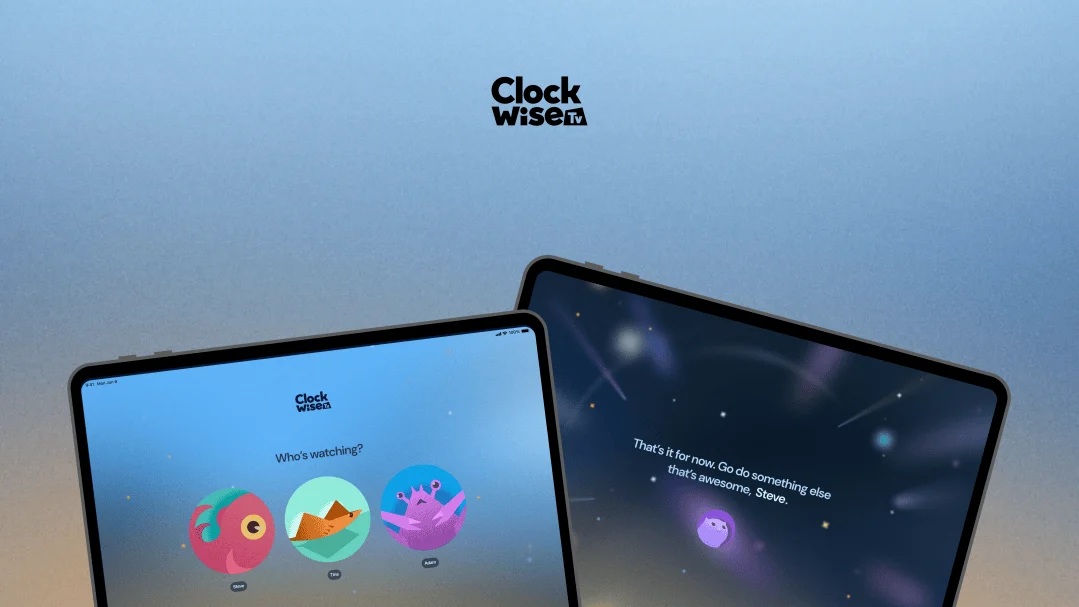
Reflecting on nearly two decades of creating content for an online audience that has grown exponentially over the years, internet veteran Hank Green recently shared a sobering perspective on how the digital landscape has transformed. During a recent episode of his podcast, Dear Hank & John, Green was asked by a co-host to pinpoint the lowest point of his storied career. Rather than pointing to a specific personal controversy or a professional setback, Green offered a macro-level critique of the modern digital ecosystem.
The long low, Green explained, was simply watching the internet morph from a charming, creative sandbox where people could freely goof around into an inescapable infrastructure that dictates nearly every facet of modern life. He lamented how dominant platforms have been overtaken by toxic environments, negative vibes, and algorithmic incentives specifically engineered to maximize outrage—ultimately resulting, in his view, in a massive degradation of the social order.
While such an assessment is undeniably bleak, Green is refusing to resign himself to the belief that the internet’s wholesome origins are gone for good. Known for his relentless entrepreneurial spirit alongside his brother John as part of the Vlogbrothers, Green has teamed up with Leslie Morgan, a veteran with two decades of experience on the business side of the creator economy, to launch a brand-new startup called ClockwiseTV.
ClockwiseTV is designed to be a curated, ad-free educational video platform tailored specifically for children between the ages of 8 and 12. The concept was born out of a universal modern household dilemma: the daily battle over screen time.
Morgan recalled how Green approached her last September with an idea that had been brewing for a long time. The concept stemmed directly from Green’s own experience as a parent trying to manage his nine-year-old child’s constant requests for just five more minutes on a device. Morgan, who encountered the exact same negotiating routine in her own household, immediately recognized the core challenge facing modern parents: how to successfully contain screen time while still granting the child a sense of agency.
The innovative answer developed by ClockwiseTV is deceptively simple yet practical. At the very beginning of each viewing session, the parent and child sit down together to decide how long the viewing period will last. The platform then tailors its video recommendations to strictly adhere to that predetermined time frame. For example, if a child is already 20 minutes into a 30-minute session and has watched two 10-minute videos, the system will not suggest a 20-minute video that would blow past the agreed-upon limit, leaving them with only 10 minutes left.
This startup addresses a widespread and growing anxiety among modern parents. Beyond the daily friction of negotiating device limits with children, broader sociological trends highlight deep-seated concerns regarding digital consumption. According to a study published by the Pew Research Center, roughly 51% of parents with children age 12 or younger report that their kids watch YouTube on a daily basis, alongside various other video-streaming applications.
While dominant platforms like YouTube offer specialized environments such as YouTube Kids—complete with a wide range of parental controls—these platforms have faced increasing scrutiny. Reports have highlighted instances where children are still inadvertently served low-quality, algorithmically generated content, often referred to as AI slop. Meanwhile, mainstream video apps that lack dedicated children’s versions can expose young minds to even more inappropriate or unregulated material.

ClockwiseTV aims to bypass these algorithmic pitfalls entirely by hand-curating a secure library of educational videos sourced from respected digital creators. The initial roster features content from channels like Odd Animal Specimens, Draw with Jazza, and Nerdforge, as well as educational powerhouses that Green himself helped create, such as Crash Course Kids and SciShow Kids.
When users open the application, they are greeted with a curated selection of roughly a dozen video choices to kick off their session. In addition to these front-page recommendations, the platform includes a functional search tool. If a child expresses an interest in mathematics on a given day, for instance, they can search for creators like Stand-up Maths and instantly browse available content that fits neatly within their remaining viewing time window.
A critical component of ClockwiseTV’s model involves the meticulous vetting and editing of creator content. While many of the featured creators produce content aimed at general or older audiences, Clockwise’s internal team manually reviews every single video uploaded to the platform, editing it to ensure it remains appropriate for younger viewers. Depending on the video, the team might remove anything from embedded brand product placements to what Morgan describes as "spectacle power tool use."
To illustrate this hands-on curation process, Morgan points to maker-creator Simone Giertz, whose engineering projects are fantastic for children, though her videos occasionally feature strong language. If Giertz builds a clever custom skateboard for a three-legged dog and drops an expletive along the way, the Clockwise team steps in to edit out the profanity, rendering the piece entirely suitable for children without losing the educational or entertaining core of the project.
The financial model underpinning ClockwiseTV is designed to be transparent and creator-friendly. The startup pays participating creators an upfront fee for the right to use their videos, and subsequently distributes 25% of its revenue back to creators based on aggregate watch time. To maintain its strict promise of a completely ad-free environment, Clockwise charges parents a subscription fee of $6.99 per month or $69.99 per year.
Emphasizing the platform’s commitment to human oversight, Morgan stresses that technology will not replace editorial judgment. Humans check the videos at least four times before they are ever published to the app, a standard that leadership promises will remain permanent. The company has made it clear that it has no interest in deploying automated artificial intelligence tools to wash down or moderate its content library.
Following a successful beta testing phase involving a few hundred parents trying out the platform with their children, ClockwiseTV is officially opening its doors to the public with dedicated applications built for iOS and Android smartphones and tablets.
Notably, the startup has chosen to forgo outside venture capital funding entirely, relying instead on Green’s personal investment. Morgan noted that maintaining absolute editorial and creative control was paramount for Green, who wanted to invest his own capital into a project he believes in so deeply—a conviction that Morgan shares just as wholeheartedly as the company embarks on its public journey.
| Source | : | Finance Poetry |
| Author | : | rifanmuazin |
| Editor | : | Finance Poetry Editorial Team |