
New Haven Lawmakers Weigh Sweeping Short-Term Rental Ban Amid Deepening Housing Affordability Crisis
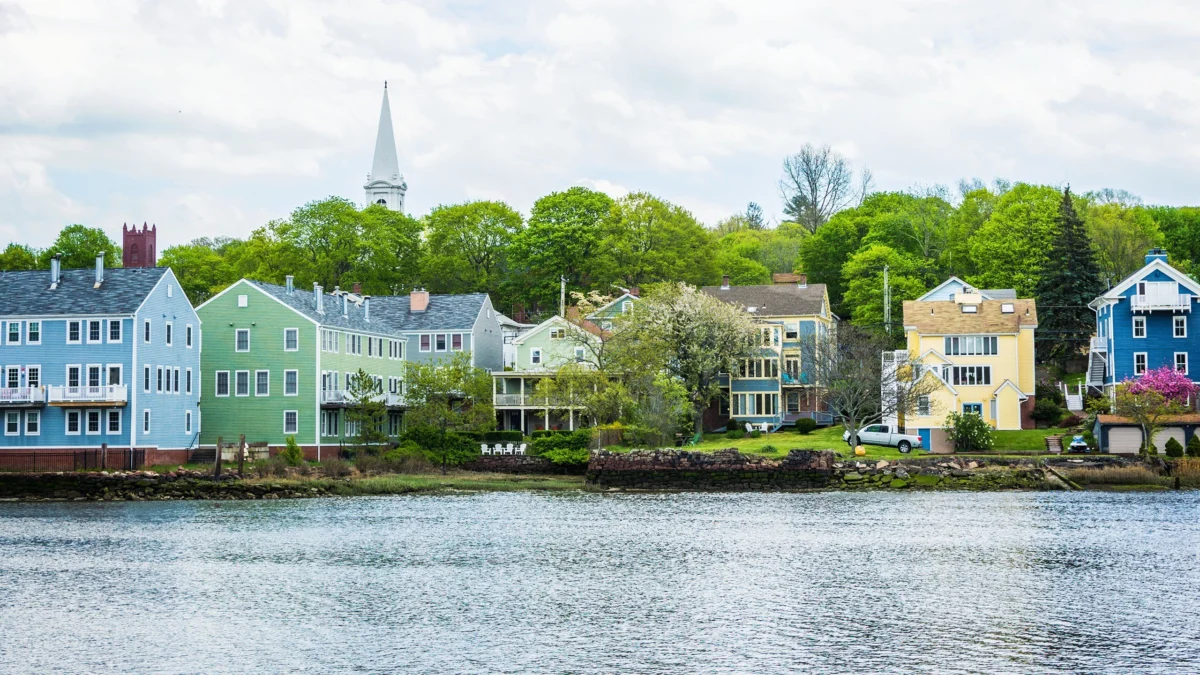
Homeowners, real estate investors, and short-term rental operators across New Haven, CT, are watching closely as city lawmakers weigh a sweeping and contentious legislative proposal that would largely prohibit short-term rentals within city limits.
The initiative, designated as ordinance OR-2026-0039, was formally introduced this past October by Alderpersons Leland Moore, Frank Douglas, and Mandy Martinelli. If enacted in its current form, the measure would bar any short-term rentals of 30 days or less in properties that do not serve as the host’s primary residence, with a targeted enforcement start date of March 31, 2027. Under this timeline, hosts currently operating full-time vacation rentals, investor properties, or secondary dwellings would be forced to transition their units to long-term leases exceeding 30 days to remain compliant with municipal code.
However, the proposal does carve out specific allowances for resident homeowners. Under the draft ordinance, individuals who live in their homes full-time would still be permitted to host short-term stays in their primary residences, provided they successfully obtain a city home-sharing license, remain physically present in the home during the duration of the rental period, and strictly adhere to established local occupancy limits.
"The conversion of long-term residential housing into short-term rentals inflates rental prices, reduces housing inventory, and directly contributes to the displacement of long-term neighbors and residents from communities," the text of the ordinance reads in part, highlighting the central motivation behind the legislative push.
Supporters of the measure argue that restricting short-term rentals is a crucial step toward freeing up vital housing units in a city that is heavily constrained by tight market conditions. Conversely, opponents contend that the ban will do little to meaningfully improve local housing affordability and will instead unfairly penalize everyday residents who rely on short-term rental income to make ends meet and pay their property taxes.
The legislative battle came to a head at a mid-November meeting of the Board of Alders, where the board had been expected to take a final vote on the measure. More than a hundred residents, advocates, and stakeholders packed City Hall to voice their opinions. Ultimately, Alderman Richard Furlow intervened to table the vote until Dec. 7, providing members with additional time to review a series of newly proposed amendments and evaluate the competing arguments surrounding the initiative.
The measure has drawn strong backing from an array of local stakeholders, including housing affordability advocates, hotel and hospitality labor unions, and New Haven Mayor Justin Elicker.
"We want to make sure homeowners, if they have an extra room or extra apartment in their building, have the ability to rent," Elicker told NBC affiliate WVIT in a recent interview. "But at the same time, we’re in an affordability crisis right now, and housing affordability is something that’s affecting so many New Haven residents. We have a lot of new construction in the city. A lot of that’s affordable, but a lot of that’s not."
Advocacy groups like New Haven Rising have been vocal proponents of the measure, arguing that the unchecked proliferation of short-term rentals drives up housing costs for everyday residents, cannibalizes the local rental stock, and locks local families out of attainable housing options.
On the other side of the debate, a separate coalition known as Put New Haven First has emerged to oppose the proposed ban. Critics within this group have pointed out that the city has yet to complete a comprehensive economic impact study to accurately gauge how the ordinance might affect local property owners, tourism, and small businesses.
Airbnb has also mounted a strong defense of its host community, arguing that the proposed ban would severely harm locals who make a living by renting out parts of their properties while prioritizing corporate hotel interests over the needs of ordinary residents.
"Airbnb listings make up just 0.5% of the city’s total housing stock," a company spokesperson told Realtor.com in a statement. "Restricting them won’t lower rents or improve housing availability, but it will take away income that helps local homeowners stay in their homes and supports the house cleaners, landscapers, and small businesses who serve guests."
The company’s statement also emphasized the practical utility of these accommodations for visitors. "Short-term rentals also give visiting families, including those in town for the hospital or university, flexible and affordable places to stay that hotels often can’t match," the statement continued. "Residents have asked the Board of Alders to study the impact before acting, and we urge them to look at the evidence before passing a bill that puts corporate hotel interests ahead of everyday residents."
Short-term rentals vs. a long-term housing crisis
New Haven is widely recognized as a vibrant cultural and economic hub, serving as home to Yale University, a world-class hospital system, more than 70 biotech companies, and a burgeoning pizza tourism industry. Local residents routinely praise the city’s walkability, its close proximity to nature, and its celebrated food scene. However, these appealing qualities are consistently overshadowed by the city’s struggling housing market.
Between 2020 and 2025, New Haven added 3,535 housing units to its inventory, marking the highest rate of residential construction of any city in Connecticut. Despite this surge in building activity, New Haven remains widely regarded as one of the most challenging environments for renters in the country. The city landed at position 138 out of 182 cities on WalletHub’s 2026 ranking of the best places to rent. Furthermore, New Haven’s median rent sits at $2,000 a month—a figure that makes renting here more expensive than median rent prices found in 42 of the top 50 metropolitan areas nationwide.
The Realtor.com 2026 Housing Mismatch Report further underscored these local challenges, finding that New Haven suffers from a profound shortage of homes suitable for middle-class homebuyers.
"The data makes clear that more inventory alone won’t be enough to unlock the housing market," Danielle Hale, chief economist of Realtor.com, previously noted. "A true recovery requires homes at the right price points."
Market data indicates that there are currently 559 traditional rental units actively available for lease across the city, representing a 38% increase compared to the same time last year. By comparison, New Haven features approximately 765 active short-term rental listings distributed across major platforms like Airbnb, Vrbo, and Booking.com. According to data from short-term rental tracking site AirDNA, this active supply reflects a 19.1% decrease compared to October 2025 levels.
While proponents of the short-term rental ban argue that these properties have exacerbated local affordability issues by removing units from the traditional rental pool, those 765 short-term units account for roughly 2% of the city’s total rental stock of 38,621 units, based on figures from the U.S. Census Bureau.
Moreover, the real-world impact of short-term rental restrictions on broader housing affordability remains a subject of considerable debate among urban economists and housing researchers.
In September 2023, New York City enacted Local Law 18, a stringent regulatory framework requiring short-term rental hosts to permanently reside in the dwelling and remain physically present throughout any guest stays. That legislation effectively slashed short-term rental listings by more than 90%, plummeting from roughly 38,500 down to a registered pool of 3,000 to 3,500 hosts, according to municipal reports and subsequent academic evaluations. However, a 2026 study analyzing the aftermath of the law found that the dramatic crackdown produced no demonstrable impact on local rents, with median monthly rents in Manhattan actually climbing to a record $4,700 during the implementation period.
Similarly, a 2024 collaborative study conducted by researchers from the College of William & Mary, Purdue University, and the Chinese University of Hong Kong investigated a comparable short-term rental ban in Irvine, California. Their findings revealed that the ban resulted in a 23.1% decrease in Airbnb listings and a modest 2.7% drop in local rental prices, though researchers noted that the study period coincided with the volatile economic shifts of the early COVID-19 pandemic.
As New Haven residents await the upcoming Dec. 7 meeting of the Board of Alders to see what specific amendments lawmakers will introduce, community advocates continue to weigh the complex layers of the housing crisis.
Sun Queen, a co-founder of Black Lives Matter New Haven and an organizer with the Unhoused Activists Community Team, told the New Haven Independent that short-term housing alternatives can sometimes serve a practical role for vulnerable populations, functioning as transitional housing for unhoused individuals.
"I think more time was needed to do more research," she said, summarizing the sentiment of many community members caught in the middle of the debate. "I get it from all angles. We are in a housing crisis."
Realtor.com reached out to Alderpersons Martinelli, Moore, and Douglas for comment regarding the ongoing legislative process.
| Source | : | Finance Poetry |
| Author | : | rifanmuazin |
| Editor | : | Finance Poetry Editorial Team |