
The Allure of Amazon’s $12,000 Tiny Home Hides Thousands in Hidden Costs and Regulatory Hurdles
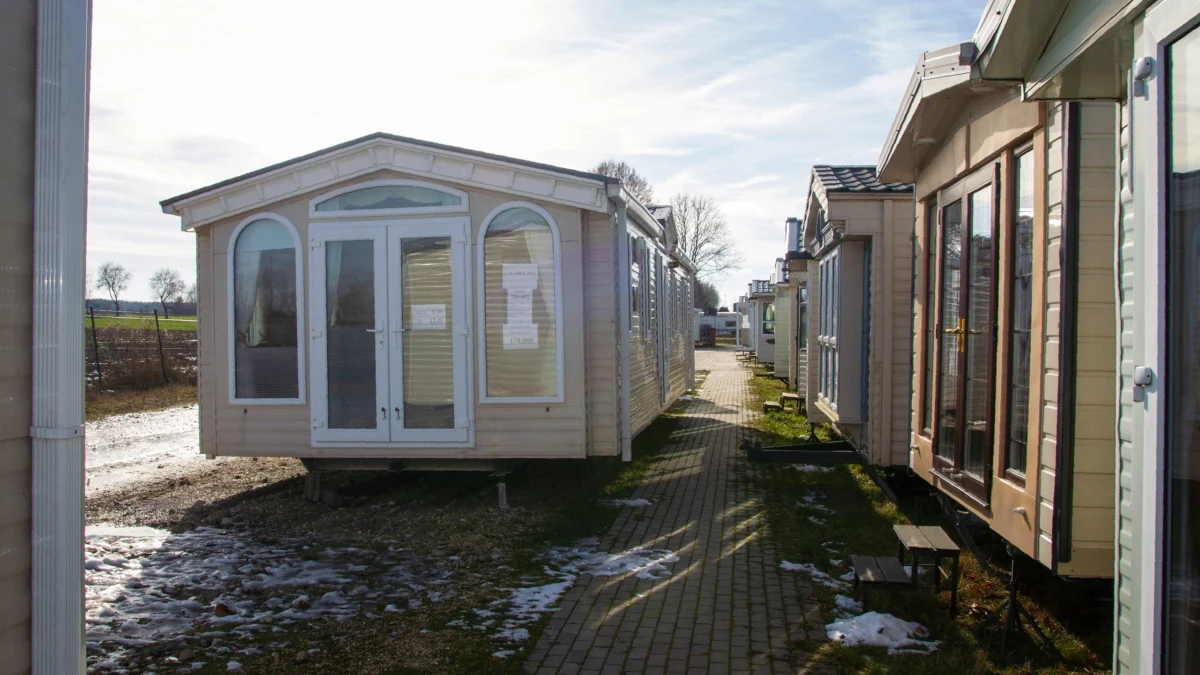
With housing prices remaining stubbornly high across much of the country, millions of prospective buyers are actively searching for alternative pathways to homeownership and affordable living. Among the most popular trends circulating online in recent years are viral social media videos showcasing low-cost, cabin-inspired tiny homes available for purchase directly through e-commerce giants like Amazon for around $12,000.
To a budget-conscious consumer grappling with record-high mortgage rates and inflated housing markets, the proposition of buying a fully functional home for the price of a modest used car sounds like an incredible bargain. However, real estate experts and industry professionals warn that the initial purchase price represents only a tiny fraction of the actual financial investment required to make these structures genuinely livable.
The primary misconception stems from the fact that online retail platforms generally do not permit third-party sellers to list fully habitable, code-compliant residential dwellings under the guise of standard consumer goods. Instead, many of the structures marketed online as tiny homes are actually uncertified storage sheds, prefabricated structural shells, or overseas flat-pack container kits designed primarily for industrial or backyard storage use rather than permanent human habitation.
Dan Salinger, a log cabin and luxury home specialist at Zook Cabins in Gap, Pennsylvania, notes that the marketing surrounding these products has created widespread confusion among consumers. He points out that the reality of the situation often takes buyers by surprise once the structure arrives at their property.
This is really deceptive and confusing for people looking for a legitimate, affordable living situation, Salinger explains. In many cases, these projects become nothing more than a throwaway situation because buyers realize how much it costs to turn the home into a functional, livable space.
Industry experts strongly advise consumers to look beyond the initial price tag before purchasing any pre-built structure that seems too good to be true. Failing to carefully evaluate what is actually included in the package and calculating the downstream expenses can easily transform a supposedly affordable $12,000 purchase into an unexpected financial commitment exceeding $60,000.
How to make a tiny home livable
Transforming a relatively inexpensive prefabricated shell into a legally compliant and physically comfortable residence involves a complex series of steps, each carrying its own substantial price tag. Buyers must account for numerous logistical, structural, and regulatory expenses long before the first piece of furniture can be moved inside.
Shipping and delivery logistics represent the first major hurdle for buyers of online prefabricated structures. Unlike standard retail packages that arrive via mail carrier, a tiny home or shed kit must be transported by a heavy freight carrier, hauled out on a specialized flatbed trailer, and often hoisted into position using a crane.
Cameron Walker, a real estate expert and manager of the Agent Network at Clever Real Estate in St. Louis, emphasizes that delivery logistics can vary wildly depending on the geographic location of the property. He notes that remote areas or properties with tight access can introduce significant complications and added expenses.
Walker estimates that shipping and delivery alone can easily add $2,000 to $7,000 to the overall budget, particularly for remote sites. Many building locations do not have adequate road widths to accommodate delivery on a flatbed truck or permit a crane to operate safely due to overhead utility wires or strict homeowners association restrictions. Furthermore, additional fees are often assessed if the delivery truck is unable to complete the drop-off on the first attempt and must return at a later date.
Once the structure successfully arrives at the property, the next financial hurdle involves site preparation and concrete foundation work. Clearing the land, grading the soil, establishing proper drainage, and pouring a permanent foundation are typically handled as a comprehensive service package by local contractors.
Walker explains that site preparation costs generally range from $4,000 to $15,000, depending heavily on the unique environmental conditions of the land. Critical factors such as the local depth of the frost line, the potential for flooding, and the required structural footing depths will directly influence the final cost. He also reminds buyers that residential building codes universally require some form of a permanent foundation. Simply placing a prefabricated structure directly onto temporary concrete blocks or wooden skids will fail to meet standard residential building code requirements in most municipalities.
Navigating local zoning laws and obtaining the necessary building permits represents another critical phase that requires careful financial planning. Walker recommends setting aside $1,000 to $5,000 specifically for architectural drawing preparation and the administrative costs of securing local permits, though exact fees vary widely depending on municipal jurisdiction.
Many towns and cities across the country enforce strict minimum square footage requirements for single-family residences, frequently mandating that a home be at least 600 to 1,000 square feet in size. Such regulations can make it legally impossible to construct or place a standalone tiny home on certain parcels of land. Other municipalities may permit tiny homes only if they are classified as accessory dwelling units, commonly known as ADUs, on a property that already contains a primary residence. Prospective buyers are strongly urged to thoroughly investigate all applicable local zoning regulations prior to making any financial commitments.
Even after the structure is delivered and permitted, hiring a reputable general contractor to properly assemble and frame the tiny house kit involves substantial labor expenses. Property owners can typically expect to pay between $10,000 and $25,000 solely for the assembly labor provided by licensed professionals.
Walker notes that some contractors may charge even higher rates because prefabricated kits imported from overseas can be exceptionally difficult to complete. Issues frequently arise due to a lack of precise fit among the individual parts and discrepancies between the manufacturer’s design and local residential building codes.
Another hidden expense frequently overlooked by first-time buyers is the necessity of upgrading insulation. Most imported tiny home shells and storage shed kits are shipped with minimal or completely inadequate insulation materials, which fail to meet basic domestic energy efficiency standards.
Walker estimates that property owners could easily spend an additional $2,000 to $6,000 to upgrade the structure’s insulation to ensure full compliance with regional codes. Local municipal regulations typically specify strict minimum insulation levels, measured by thermal resistance or R-value, across exterior walls, flooring systems, and roofing structures.
Connecting essential utilities—including plumbing systems, septic tanks or municipal sewer lines, electrical grids, and heating, ventilation, and air conditioning equipment—represents one of the most volatile and potentially expensive categories in the overall budget.
According to Salinger, the financial impact of utility hookups depends almost entirely on the preexisting state of the land. If municipal utility lines are already established directly adjacent to the building site, connection costs may be limited to a few thousand dollars. However, purchasing raw, undeveloped land devoid of any pre-existing utility infrastructure can quickly escalate connection expenses to tens of thousands of dollars just to bring electricity, water, and waste management services to the property line.
Is it possible to finance a tiny home?
For consumers who carefully calculate these compounding expenses and still wish to pursue a tiny home project, securing adequate financial backing presents yet another formidable barrier. Traditional mortgage lenders are frequently hesitant or outright unwilling to issue standard home loans for properties of such unconventional size and construction type.
The primary obstacle in the financing process stems from the appraisal stage. Real estate appraisers rely heavily on historical sales data from comparable nearby properties, known as comps, to determine the market value of a home. Because standardized, code-compliant tiny homes are relatively rare in many housing markets, appraisers often struggle to find appropriate comparable sales to justify the valuation of the property.
Walker explains that depending on the individual financial situation of the buyer, securing funds may require exploring alternative financing vehicles. Borrowers might be forced to rely on personal loans or construction loans, both of which typically carry significantly higher interest rates than traditional mortgages. In many cases, buyers find themselves with no alternative other than saving up substantial amounts of cash to finance the entire project independently.
| Source | : | Finance Poetry |
| Author | : | rifanmuazin |
| Editor | : | Finance Poetry Editorial Team |