
Attracting the Next Generation: Insights from The American College’s Horizons Conference
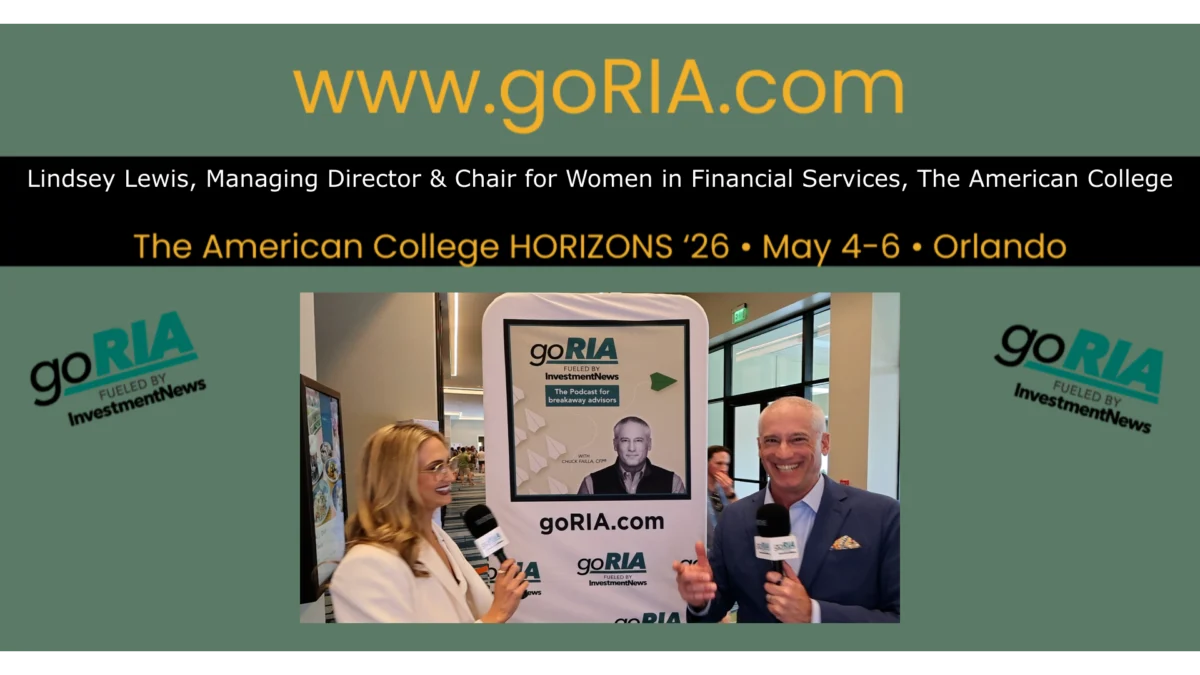
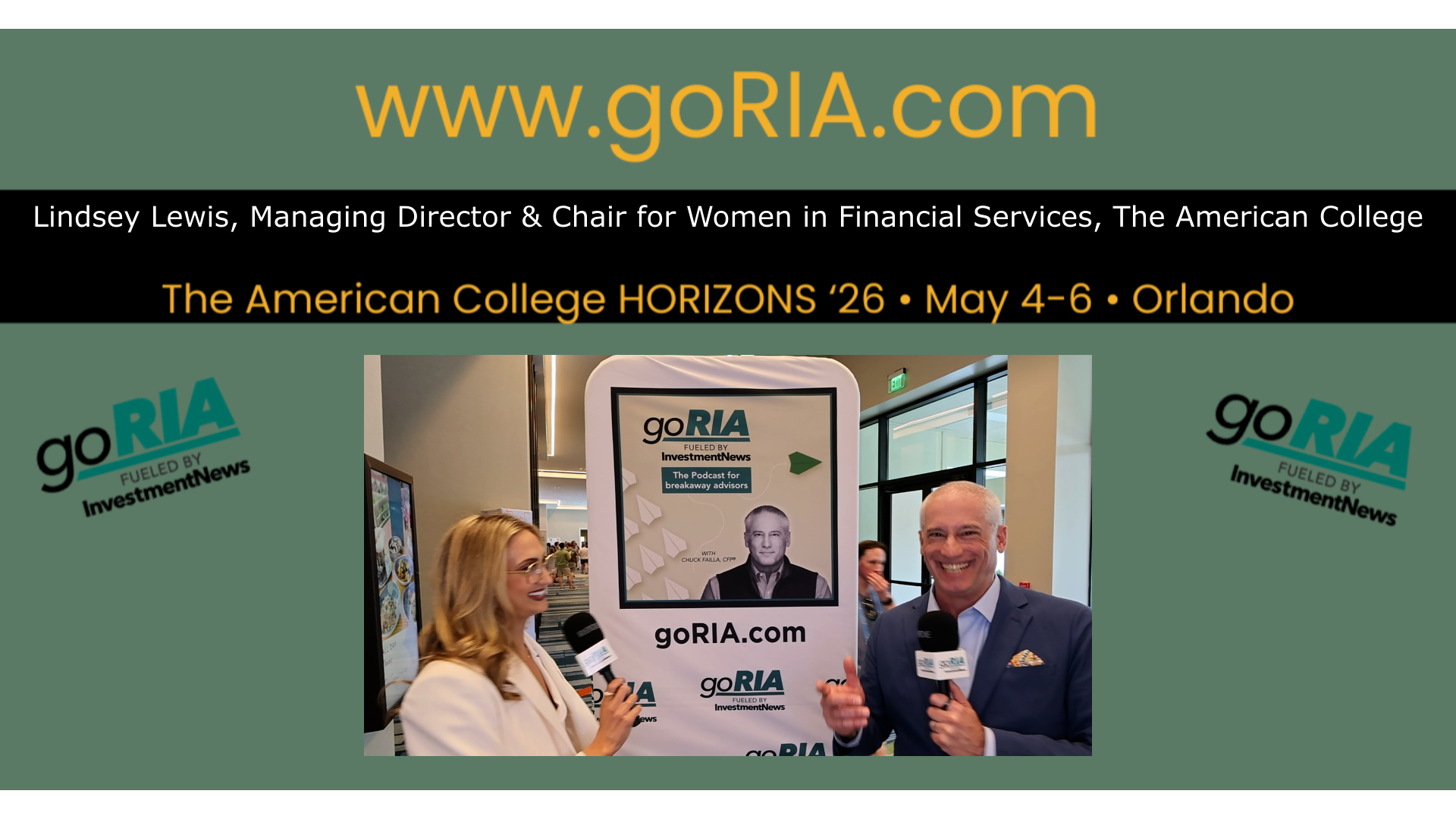
The financial services industry is currently undergoing a significant generational shift. As veteran advisors look toward retirement and the transfer of wealth accelerates, the urgency for firms to attract, retain, and develop the next generation of financial professionals has never been higher. At The American College’s recent Horizons Conference in Orlando, Florida, the conversation turned squarely toward the evolving expectations of these incoming advisors. In a featured segment recorded live at the event, host Chuck sat down with Lindsey Lewis, the Managing Director and Chair for Women in Financial Services at The American College, to peel back the layers on what the "NextGen" of the profession is truly looking for in a modern firm.
The dialogue at the Horizons Conference underscores a broader, industry-wide recognition that the traditional recruitment and retention models of the past two decades are no longer sufficient to secure the top talent of the future. As the landscape of financial planning becomes increasingly complex—defined by rapid technological integration, shifting client demographics, and a heightened emphasis on holistic financial wellness—the firms that succeed will be those that align their corporate cultures with the values and professional aspirations of younger advisors.
During the discussion, Lewis highlighted that the definition of a "successful firm" is undergoing a fundamental transformation. For the next generation, the compensation package—while still important—is merely the starting point. The deeper, more structural elements of a firm’s value proposition are what differentiate a standard employer from a career destination. These younger professionals are looking for environments that mirror the dynamic and purpose-driven nature of the work they perform for their clients. They are less interested in rigid, top-down hierarchies and more focused on collaborative, mentorship-heavy environments that prioritize professional development and intellectual growth.
A core theme of the conversation was the importance of culture. NextGen advisors are increasingly conducting thorough due diligence on potential firms, scrutinizing everything from the diversity of the leadership team to the company’s stance on social responsibility and community involvement. They are seeking transparency. They want to work for organizations that clearly articulate their mission and demonstrate that this mission is integrated into the daily workflow rather than just displayed on a corporate website. For these professionals, alignment between personal values and professional practice is not a "nice-to-have"—it is a prerequisite for long-term engagement.
Furthermore, the technological infrastructure of a firm has become a major deciding factor. Having grown up in an era of rapid digital transformation, younger advisors expect a seamless, integrated tech stack. They want tools that allow them to spend less time on manual, administrative, or repetitive tasks and more time on high-value client engagement and complex planning. Firms that rely on legacy systems or fragmented software ecosystems risk being perceived as inefficient or outdated, which can be a significant deterrent for high-performing talent who prioritize agility and data-driven decision-making.
Mentorship and professional development also took center stage in the discussion. Lewis noted that the next generation of advisors is highly attuned to the path of their career progression. They are looking for firms that offer structured mentorship programs, clear pathways for advancement, and opportunities to gain specialized expertise. They are eager to learn from seasoned veterans, but they also bring their own unique perspectives on technology, client communication, and practice management, which they hope to see reflected in the firm’s strategic direction. This two-way street of learning is essential for fostering an inclusive environment where experience and innovation can coexist.

The role of diversity, equity, and inclusion (DEI) remains a critical pillar of this conversation. As the chair for Women in Financial Services, Lewis brings a unique lens to the issue of representation. The industry has long struggled with gender and ethnic parity, and the next generation of advisors is arguably the most vocal and focused on these issues in the history of the profession. They are looking for firms that do not just pay lip service to diversity but have concrete, measurable commitments to fostering an inclusive culture. They want to see representation at the executive level, and they want to see that the firm provides equitable opportunities for growth, regardless of background.
When discussing what attracts talent, it is also important to consider the shift toward flexible working arrangements. The post-pandemic environment has fundamentally changed the expectations around where and how work is done. While the financial services industry has historically relied on in-person collaboration, the NextGen workforce is increasingly prioritizing autonomy. They are looking for firms that offer the flexibility to manage their professional responsibilities alongside their personal lives, recognizing that burnout is a significant risk in a high-pressure, client-facing field. Firms that can balance the collaborative benefits of in-person interaction with the flexibility of remote or hybrid models are finding themselves at a distinct competitive advantage.
As the financial planning profession continues to professionalize, the demand for credentials and continuing education is also rising. Younger advisors are looking for firms that support their pursuit of professional designations, such as the CFP® certification or specialized credentials offered by The American College. They see these educational investments not just as individual achievements, but as evidence of a firm’s commitment to the long-term success and competence of its staff. Supporting this professional growth is one of the most effective ways for firms to signal that they view their advisors as long-term assets rather than short-term producers.

The conversation between Chuck and Lindsey Lewis serves as a vital reminder that the future of the financial advice community depends on the industry’s ability to adapt. The talent pool is evolving, and with it, the criteria for excellence. Firms that remain tethered to outdated models—whether in terms of culture, technology, or diversity—will find it increasingly difficult to attract the bright minds necessary to serve the next generation of clients.
Ultimately, the takeaway from the Horizons Conference is one of opportunity. While the demands of the next generation may require a departure from the status quo, they also offer a chance for firms to innovate and build more resilient, effective, and inclusive organizations. By listening to what these advisors need and proactively adapting to those requirements, firms can ensure that they remain relevant, competitive, and well-positioned to navigate the complexities of the future. The insights shared by Lewis highlight that the path forward is one defined by transparency, technological agility, a commitment to diversity, and a deep, ongoing investment in the people who form the backbone of the advice community. As the industry looks toward the next decade, the ability to successfully integrate these values into the fabric of the firm will be the definitive marker of success for those looking to lead the next era of financial planning.
| Source | : | Finance Poetry |
| Author | : | rifanmuazin |
| Editor | : | Finance Poetry Editorial Team |