
Integrating Tax Services into the RIA Model: Insights from FPA NorCal
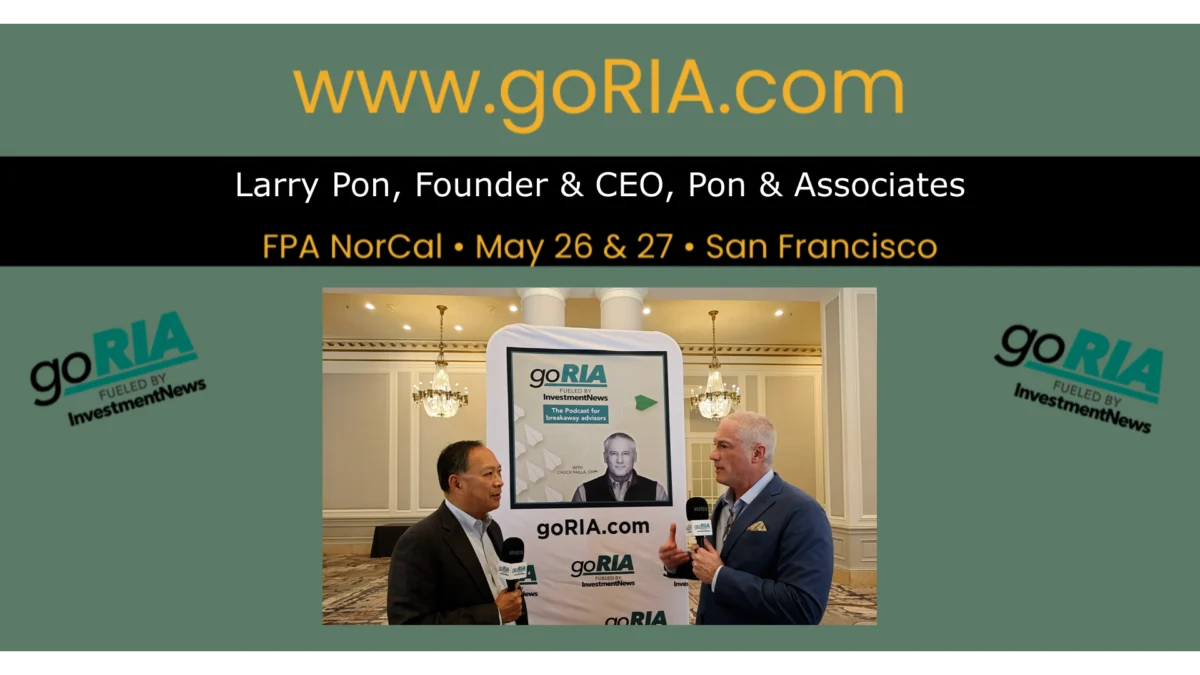
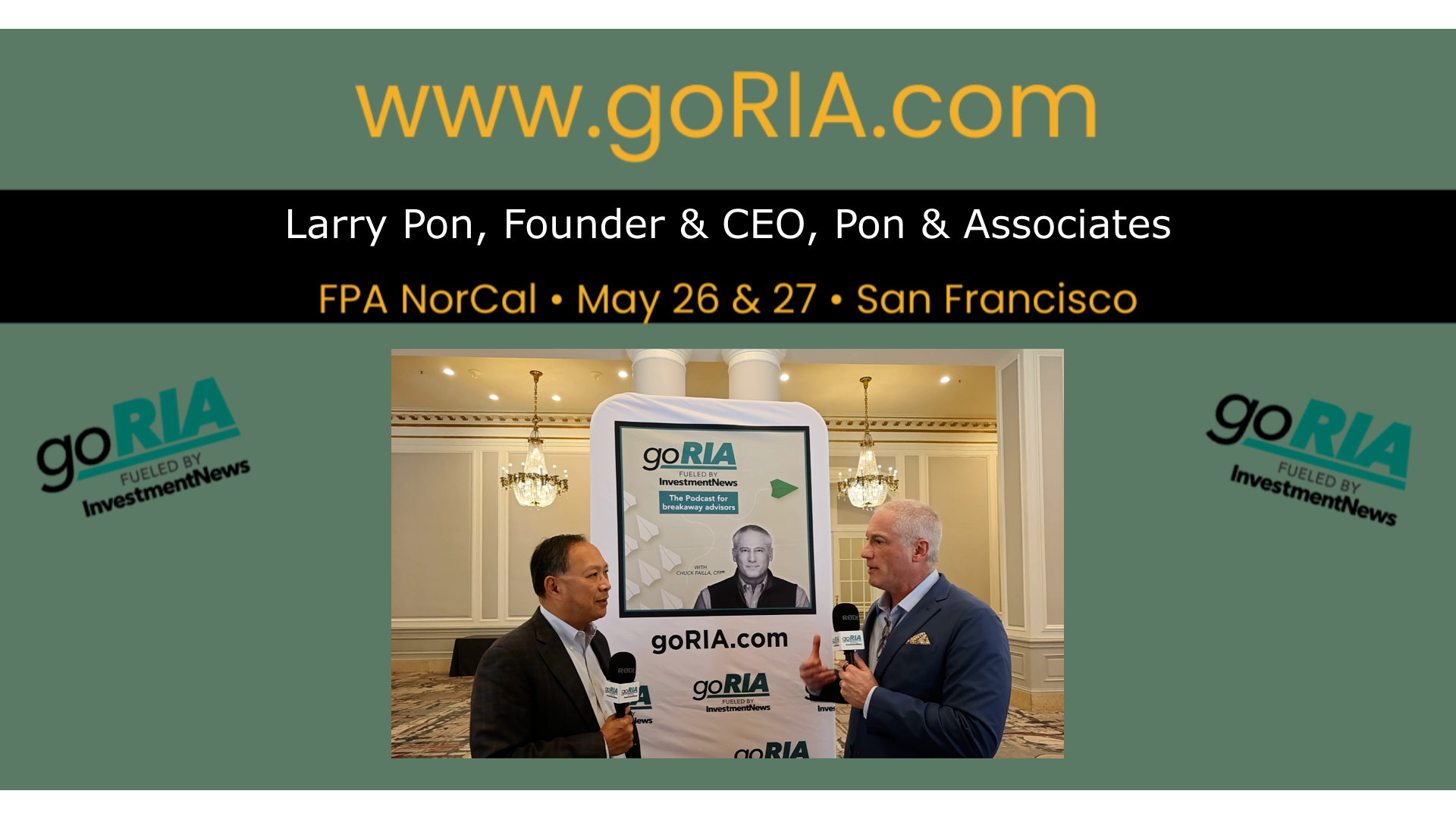
The landscape of financial planning is undergoing a significant transformation as Registered Investment Advisors (RIAs) increasingly seek ways to provide more holistic value to their clients. At the recent FPA NorCal conference in San Francisco, industry thought leaders gathered to discuss the shifting expectations of high-net-worth individuals and the evolving role of the advisor. Among the key highlights of the event was a candid discussion between host Chuck and Larry Pon, the founder and CEO of Pon & Associates, who explored the strategic integration of tax services into the modern RIA practice.
As the industry moves away from a product-centric model toward a comprehensive, relationship-driven approach, the intersection of tax planning and investment management has become a critical battleground. For many advisors, the question is no longer whether tax expertise is valuable, but rather how to effectively operationalize it without overstepping professional boundaries or compromising the quality of the core financial planning experience.
The Strategic Value of Tax Integration
During his conversation with Chuck, Larry Pon emphasized that tax services represent one of the most tangible ways for an RIA to deepen client relationships. When an advisor can view a client’s total financial picture—including their tax liabilities—they are better positioned to provide proactive advice that goes beyond mere asset allocation. For many clients, the tax bill is their single largest annual expense, often dwarfing the fees paid to an investment advisor. Consequently, advisors who can navigate the complexities of tax law are often perceived as providing a significantly higher return on investment.
Pon noted that the integration of tax services into an RIA firm requires a clear understanding of the regulatory landscape. While many advisors offer tax planning—the strategic long-term view of a client’s finances—tax preparation is a distinct service that carries its own set of technical requirements and professional risks. The distinction between planning and preparation is vital for advisors who wish to maintain compliance while offering a seamless experience.
The conversation highlighted that many firms are currently experimenting with various models to address this demand. Some are choosing to build in-house tax departments by hiring CPAs, while others are pursuing strategic partnerships with external accounting firms. Each approach brings its own set of operational challenges, ranging from staffing and technology integration to the potential for professional liability.
Overcoming Operational Hurdles
One of the primary challenges discussed at the FPA NorCal conference is the cultural and technical gap between traditional investment management and tax accounting. Investment management often operates on a forward-looking, market-driven timeline, whereas tax preparation is inherently retrospective and governed by strict government deadlines. Bridging these two worlds requires a firm to possess a sophisticated infrastructure capable of handling both workflows simultaneously.

For RIAs considering the addition of tax services, the human capital component remains the most significant hurdle. The demand for qualified CPAs and tax professionals is high, and the competition for talent is fierce. Pon suggested that for firms to be successful in this expansion, they must foster a culture that values cross-disciplinary collaboration. It is not enough to simply have a tax professional in the office; the advisor and the tax expert must be able to communicate effectively, ensuring that the strategies implemented in the tax return align with the overall goals of the financial plan.
Furthermore, the technology stack of an RIA firm must evolve to support these new service offerings. Integrating tax software with existing CRM and portfolio management systems is essential to ensure that data flows seamlessly and that the firm can provide a unified view of the client’s wealth. As the discussion in San Francisco underscored, firms that fail to invest in the necessary technology often find themselves bogged down by manual processes, which can ultimately detract from the client experience rather than enhance it.
The Client Perspective: A Holistic Experience
From the client’s point of view, the consolidation of financial services is a highly desirable outcome. Managing separate relationships with an investment advisor, an estate attorney, and a tax professional can be both time-consuming and inefficient. By serving as a central hub for these services, an RIA can significantly reduce the administrative burden on the client.

However, the discussion also touched upon the importance of managing expectations. Clients must understand the scope of the tax services being offered. An advisor who provides comprehensive tax planning may still need to refer out for complex corporate filings or specialized international tax matters. Clear communication and defined service level agreements are critical to ensuring that the client remains satisfied and that the firm’s liability is appropriately managed.
The panel at FPA NorCal reflected a broader industry trend toward "wealth management" in its truest sense—a discipline that encompasses every aspect of a client’s financial life. As the industry continues to evolve, the ability to provide integrated tax services may well become a defining characteristic of top-tier RIA firms. The conversation between Chuck and Larry Pon serves as a valuable case study for those looking to navigate this transition, highlighting that while the integration is fraught with complexity, the potential for long-term client retention and firm growth is substantial.
The Future of Financial Planning
As the FPA NorCal conference continues to serve as a bellwether for the industry, it is clear that the discourse surrounding the role of the advisor is expanding. Beyond tax services, the event featured a range of experts and practitioners, including Michael Kitces, Terri Kallsen, and Cameo Roberson, who each offered their unique perspectives on the challenges and opportunities facing financial planners today.

These discussions are vital as the profession navigates a period of rapid technological advancement and changing regulatory standards. Whether it is through the adoption of new financial planning tools or the strategic expansion of service lines like tax preparation, the underlying goal remains the same: to provide more meaningful and impactful guidance to clients.
For advisors currently evaluating their service models, the advice shared at the conference is a reminder that there is no one-size-fits-all solution. Success requires a deliberate strategy that aligns with the firm’s specific expertise, resources, and client demographic. The shift toward integrated service models is not merely a trend, but a response to the growing demand for comprehensive advice in an increasingly complex global economy.
As the financial advice community looks ahead to the remainder of the year and beyond, the insights gleaned from gatherings like FPA NorCal will be instrumental in shaping the next generation of firm leadership. The integration of tax services is just one piece of a much larger puzzle, but it is a piece that has the potential to fundamentally redefine the relationship between the advisor and the client for years to come. By embracing these changes and focusing on the delivery of holistic, value-added services, RIAs are positioning themselves to thrive in a competitive and rapidly changing marketplace.
| Source | : | Finance Poetry |
| Author | : | rifanmuazin |
| Editor | : | Finance Poetry Editorial Team |