
Army Proceeds with Controversial Open-Air Detonation of Five Tons of Hazardous Material in Iowa Ahead of Thanksgiving
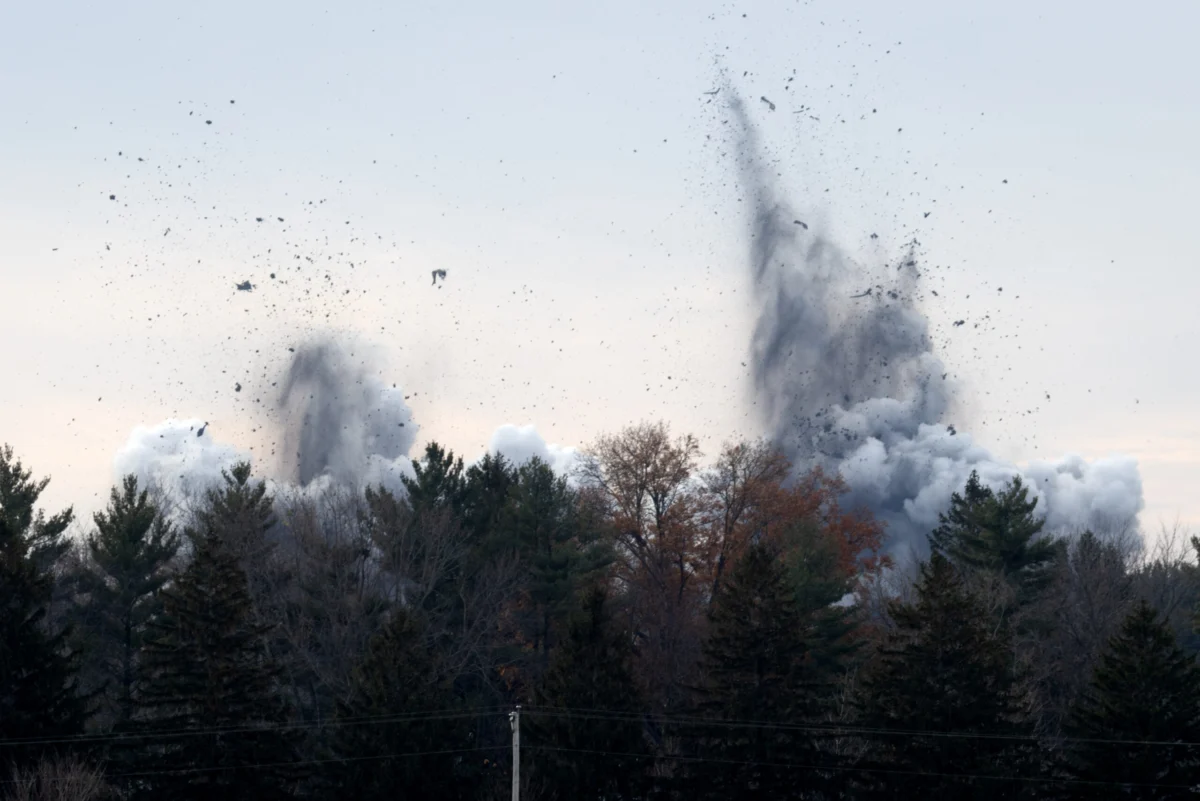
The United States Army has successfully carried out the controlled detonation of five tons of hazardous materials at a military facility in southeastern Iowa, moving forward with the high-stakes operation despite intense pushback, legal challenges, and last-minute concerns from federal lawmakers, environmental advocacy groups, and regional stakeholders. The contentious open-air destruction of the volatile substances took place just one day before Thanksgiving, bringing to a head weeks of escalating public anxiety, political friction, and complex legal maneuvers over the safety of surrounding communities.
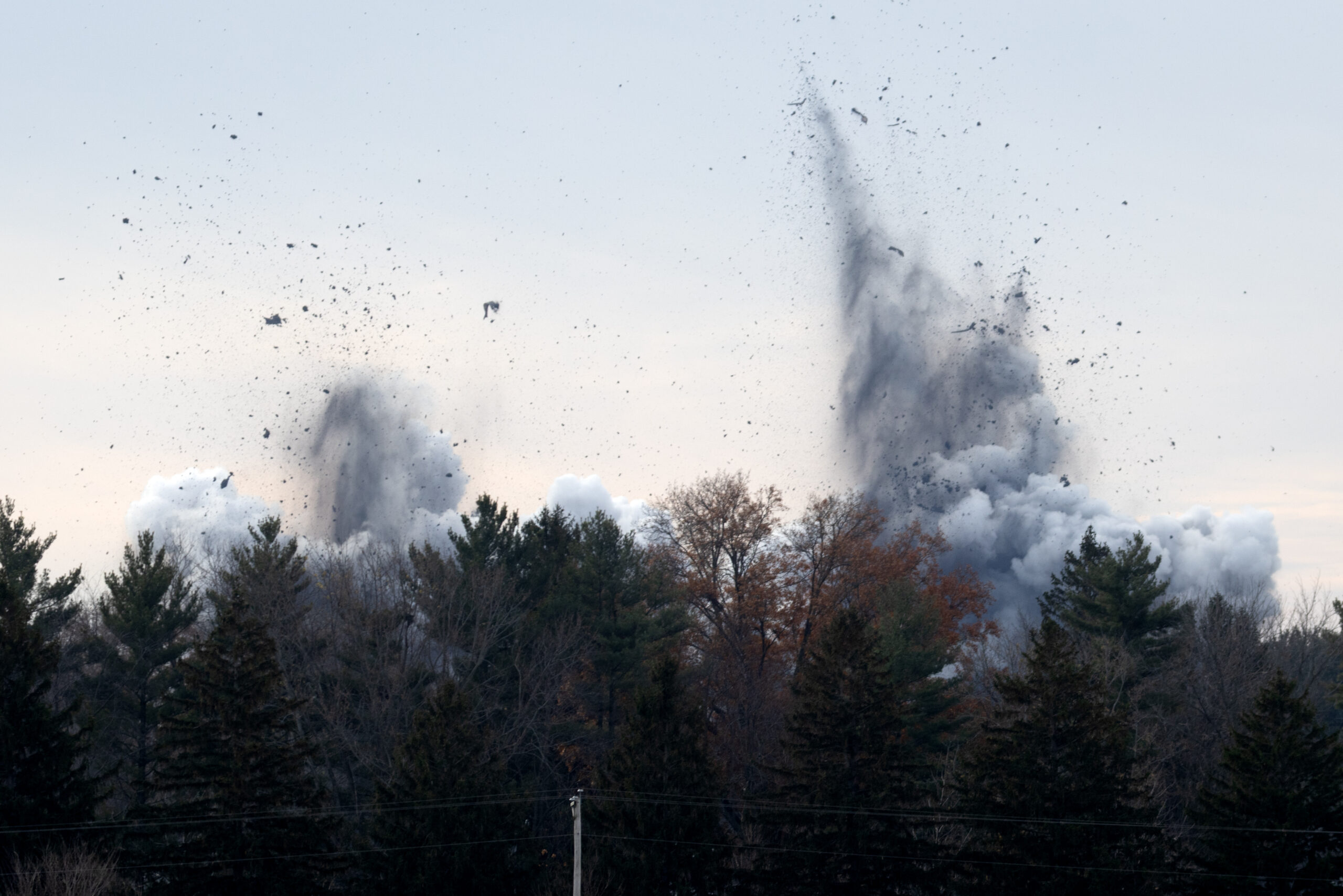
The high-visibility detonation occurred at approximately 9 a.m. Central Time on Wednesday at the sprawling Iowa Army Ammunition Plant located in Middletown, Iowa. According to live video footage broadcast by C-SPAN, the blast sent a large white plume billowing into the morning sky above the military installation, though the cloud dissipated relatively quickly following the explosion. Earlier in the morning, representatives for the Army had utilized social media platform X to announce that they would proceed with what they termed a “controlled, mitigated detonation” at the facility, promising the public that status updates would be provided no later than 11 a.m. Central Time.
At the center of the delicate and potentially hazardous operation were 68 drums of lead azide, a highly sensitive and dangerous chemical compound routinely utilized as a primary detonating agent in various military munitions. The presence of such a large quantity of unstable material just miles from populated areas sparked widespread alarm among local residents, environmental watchdogs, and political figures, all of whom worried that an open-air explosion could inadvertently release a toxic plume of lead dust into the atmosphere, threatening public health, local agriculture, and regional water supplies.
The legal battle leading up to Wednesday’s detonation reached a critical juncture earlier in the week when the Eighth Circuit Court of Appeals concluded on Monday that the United States Environmental Protection Agency had adequately incorporated necessary safeguards to minimize the dispersal of lead dust into the surrounding environment. This judicial clearance cleared the final major legal hurdle that had temporarily stalled the military’s plans, allowing federal officials to move forward with the operation despite lingering appeals from community advocates and local leaders who argued that the environmental risk remained unacceptably high.
In the wake of the court’s decision and ahead of the scheduled blast, military leadership moved quickly to reassure a deeply anxious public regarding the extensive safety measures put in place. Adam Telle, the acting Army secretary, emphasized the military’s dedication to regional safety in a statement published on X late Tuesday night. “We are committed to the safety and health of the people of this region, and we will do everything in our power to protect them,” Telle stated.
Building upon those assurances, Army officials released additional technical details in a social media post early Wednesday morning, outlining the extensive engineering feats undertaken to contain potential fallout. Personnel had reportedly “worked around the clock to mitigate the impacts” of the massive explosion. Among the specialized defensive infrastructure deployed for the operation were a massive water wall filled with more than 100,000 gallons of water, reinforced earth berms, sand-filled blocks, sophisticated dispersion modeling experts, and temperature-regulating tarps designed to prevent any premature or erratic reactions within the storage drums.
The operation, which had originally been scheduled to take place on November 20 before facing a series of logistical and legal delays, quickly transformed into a major political flashpoint, drawing sharp criticism over local evacuation concerns and intergovernmental friction. The controversy reached the highest levels of national and state politics earlier in the week. On Monday, President Donald Trump weighed in on the unfolding situation, asserting that the hazardous disposal plan required the explicit assent of incoming Iowa Governor Rob Sand, a Democrat. Trump publicly pledged to hold Sand directly responsible for “any and all death or destruction” that might result from any failure to act or inability to safely neutralize the volatile compound.
Throughout the ordeal, military and technical experts maintained that leaving the aging material undisturbed posed an even greater and more catastrophic risk to the public than conducting a carefully managed destruction. Officials repeatedly warned that the stored lead azide had reached a state where it could potentially undergo spontaneous detonation if left unaddressed in its current storage environment. Given the extreme chemical instability of the aging compound, military authorities ultimately concluded that a controlled, highly mitigated detonation was the only viable and responsible option to eliminate the long-term threat.
Even among figures who recognized the necessity of the operation, communication and transparency from federal agencies remained a prominent point of contention. Senator Chuck Grassley of Iowa expressed support for the general necessity of neutralizing the hazardous material, but publicly noted that federal officials had fallen short in providing adequate information and timely communication to the local public, leaving residents feeling anxious and uninformed as the detonation date rapidly approached.
The decision to proceed with the destruction of the 68 drums of lead azide underscores the ongoing challenges faced by the Department of Defense in managing aging munitions and hazardous industrial byproducts at domestic facilities. As debris flew into the air during Wednesday morning’s blast at the Middletown plant, federal and state environmental monitors began the process of assessing air quality and environmental indicators around the facility to verify that the extensive mitigation measures successfully kept the toxic lead dust from reaching neighboring communities.
| Source | : | Finance Poetry |
| Author | : | rifanmuazin |
| Editor | : | Finance Poetry Editorial Team |