
Bringing Tax Planning to the Masses: A Conversation with TaxStatus CEO Kevin Knull at the Horizons Conference
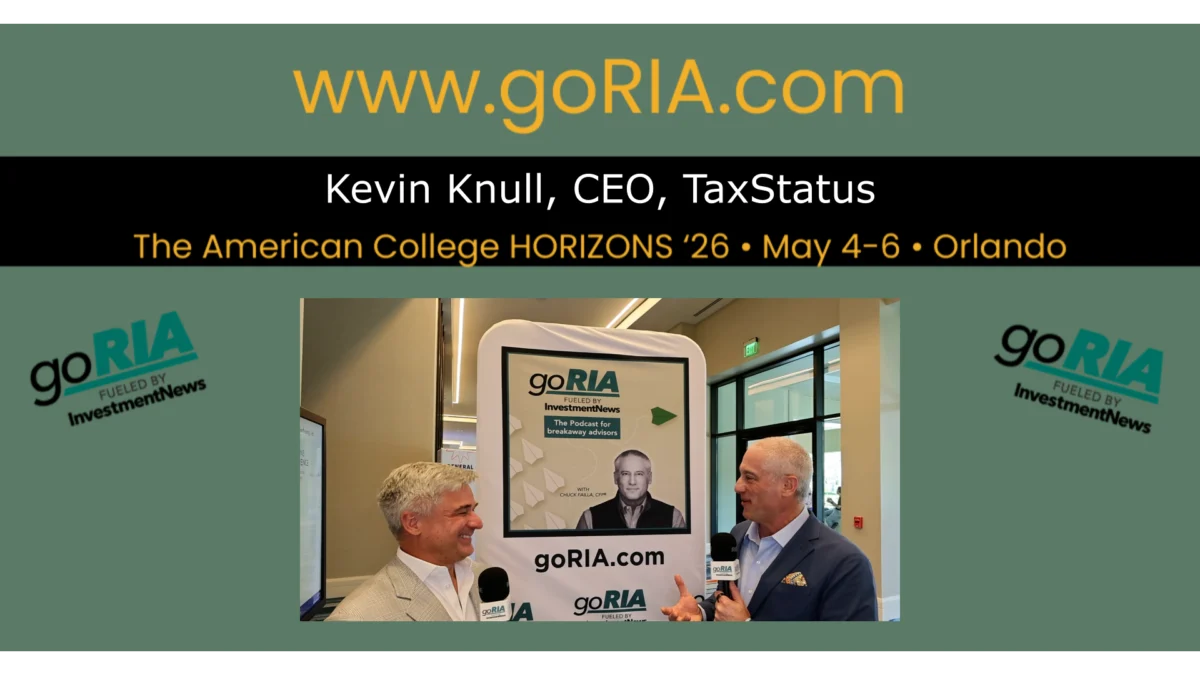
The financial advisory landscape is undergoing a profound transformation, driven by the dual engines of technological innovation and the increasing demand for personalized, holistic wealth management. Nowhere is this shift more evident than at The American College’s Horizons Conference in Orlando, Florida, where industry leaders have gathered to discuss the future of the profession. In a featured segment recorded live from the event floor, host Chuck sat down with Kevin Knull, the CEO of TaxStatus, to delve into a topic that is rapidly becoming a cornerstone of modern advisory practice: the democratization of high-level tax planning through the strategic application of artificial intelligence and advanced financial technology.
For years, sophisticated tax planning—the kind that moves beyond simple compliance and into the realm of strategic asset optimization—was largely the province of ultra-high-net-worth individuals and the families who could afford the steep fees of specialized tax attorneys and boutique accounting firms. However, the conversation between Chuck and Knull highlights a pivotal shift toward making these essential services accessible to a much broader segment of the population. As the boundaries between investment management, financial planning, and tax strategy continue to blur, the role of the advisor is evolving from that of a portfolio manager to that of a comprehensive financial architect.
The Role of Technology in Modernizing Tax Strategy
At the heart of this evolution is the integration of technology that can synthesize massive amounts of complex data into actionable, client-friendly insights. Knull, whose work with TaxStatus focuses on streamlining the flow of tax information, noted that the industry is at a crossroads. For too long, the friction associated with gathering, analyzing, and acting upon tax documents has created a bottleneck that prevents advisors from providing the proactive guidance their clients deserve.
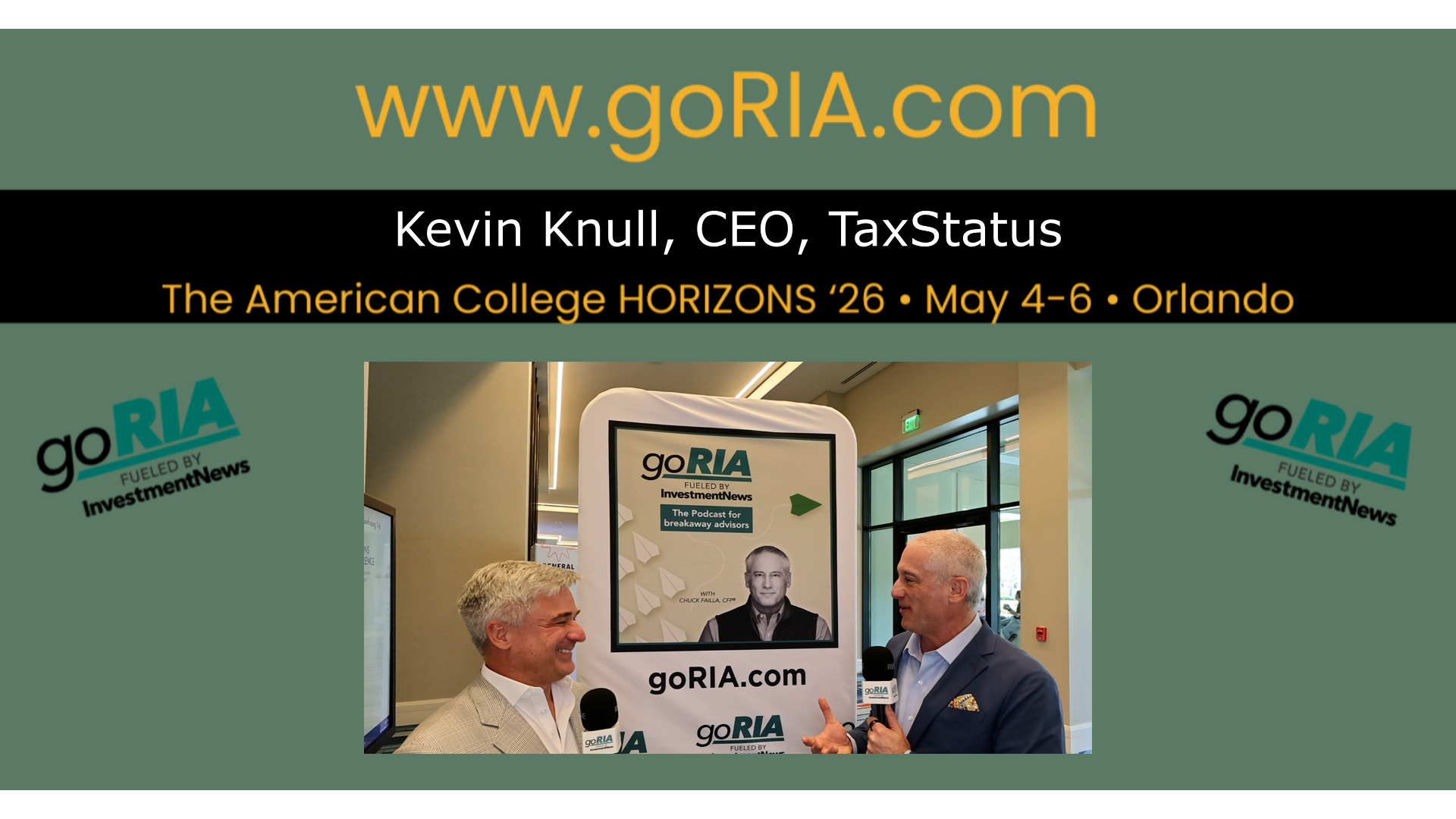
By leveraging AI, firms can now automate the collection and processing of tax data, allowing advisors to spend less time on manual entry and administrative hurdles, and more time on the high-value strategic planning that clients actually value. The goal, according to Knull, is not to replace the human element of advisory work, but to augment it with the kind of computational power that was previously unimaginable. This technological leap allows for the identification of tax-saving opportunities in real-time, rather than waiting for the annual filing process to uncover issues or lost opportunities.
During the discussion, Knull emphasized that the "masses" are currently underserved because the traditional model of tax planning is simply too labor-intensive and expensive to scale. When a firm can use AI to identify a tax-loss harvesting opportunity, a potential Roth conversion strategy, or a specific charitable giving structure in seconds, the cost-benefit analysis of offering tax services changes drastically. This efficiency allows advisors to extend these benefits to the mass-affluent market, creating a competitive advantage that is difficult for traditional, manual-based firms to replicate.
Bridging the Gap Between Financial Planning and Tax Compliance
One of the central themes addressed by Knull is the historical disconnect between the financial advisor and the client’s tax profile. Often, these two pillars of wealth management exist in silos. The advisor manages the assets, while the CPA or tax preparer handles the filing, with very little communication between the two. This separation often leads to suboptimal outcomes for the client, as investment decisions are made without a full understanding of their immediate tax implications, and tax strategies are implemented without regard to long-term wealth accumulation goals.

TaxStatus and similar platforms are working to break down these silos by providing a bridge that connects the advisor to the client’s tax information in a secure and automated fashion. Knull suggests that this connectivity is the missing link in the holistic advisory model. When an advisor has a clear, accurate, and current view of a client’s tax situation, they can move from a reactive posture—where they are simply reporting on what happened in the past—to a proactive one, where they are actively planning for what could happen in the future.
This transition is not merely a matter of convenience; it is a matter of professional imperative. Clients are increasingly aware of the impact of taxes on their net returns. In an environment of market volatility and shifting tax codes, the ability to demonstrate "tax alpha"—the value added through tax-efficient management—is a powerful differentiator for any advisor. Knull’s perspective underscores that when technology handles the heavy lifting of data integration, the advisor is free to act as the strategist, explaining the "why" and "how" behind a complex tax-saving maneuver in a way that the client can easily grasp.
Scaling the Human Element in Financial Advice
While technology is the enabler, the human relationship remains the anchor. As Knull pointed out during his discussion at the Horizons Conference, the most successful firms of the future will be those that effectively balance digital efficiency with high-touch personal interaction. The fear that AI will replace the advisor is, in his view, a misunderstanding of what clients actually need. Clients need empathy, behavioral coaching, and a sense of security—things that a machine cannot provide.

However, a machine can identify that a client’s tax bracket has shifted due to a sudden increase in income, or that they are eligible for a specific deduction they might have overlooked. By automating the identification of these moments, the technology provides the advisor with a "nudge" to reach out, fostering a deeper, more relevant connection with the client. This is how technology brings tax planning to the masses: by making it a continuous, integrated part of the advisory relationship rather than a one-time event that occurs only during tax season.
The feedback from the advisor community, as reflected in the themes emerging from the Horizons Conference, suggests a strong appetite for these kinds of tools. Advisors are looking for ways to scale their practices without sacrificing the quality of the advice they provide. The ability to offer tax-aware planning as a standard component of a service package is becoming a requirement for firms looking to attract and retain clients who expect more than just investment management.
Looking Toward the Future of the Profession
The dialogue between Chuck and Kevin Knull serves as a microcosm for the broader trends discussed throughout the conference. As firms navigate the complexities of a changing economic landscape, the integration of AI-driven tax solutions represents a significant step forward in the professionalization of the industry. The focus is shifting toward outcomes-based planning, where the success of the advisor is measured by the tangible value they bring to the client’s entire financial life.
For advisors looking to remain competitive, the takeaway from the conversation is clear: the future belongs to those who embrace the power of technology to simplify the complex. By leveraging AI to bring sophisticated tax planning to a broader audience, advisors can provide a level of service that was once the exclusive domain of the ultra-wealthy, thereby increasing client satisfaction, deepening relationships, and ultimately strengthening the value proposition of the entire financial advice community.
As the industry continues to evolve, the insights shared by leaders like Knull at events like the Horizons Conference provide a roadmap for what lies ahead. The integration of tax technology is not just about staying relevant; it is about providing better, more comprehensive care to the clients who rely on their advisors to help them navigate the complexities of the modern financial world. By embracing these tools, the industry is moving closer to a vision of truly holistic wealth management, where every client—regardless of their net worth—can benefit from the strategic, proactive planning that is essential for long-term financial success.
| Source | : | Finance Poetry |
| Author | : | rifanmuazin |
| Editor | : | Finance Poetry Editorial Team |