
Fed Governor Waller Calls for Aggressive Rate Hikes to Tame Stubborn Inflation
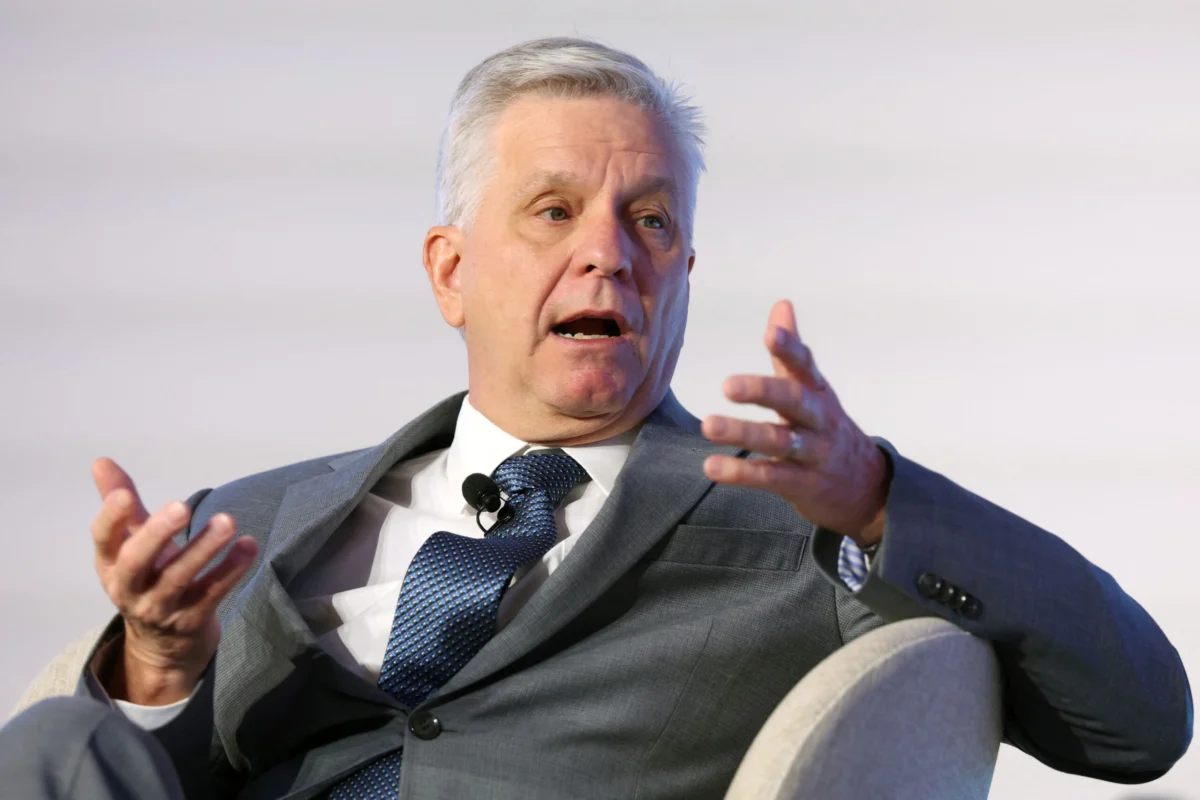
Federal Reserve Governor Christopher Waller on Wednesday called for aggressive action against inflation, stating that the central bank needs to "shock people" as consumer prices continue to rise at a pace that exceeds his expectations. In the near term, the policymaker told CNBC in a live interview that a half percentage point increase in the Fed’s benchmark rate is likely necessary at the upcoming Dec. 8-9 meeting of the Federal Open Market Committee.
Waller emphasized that the central bank needs to fully reverse the three quarter-point reductions implemented last year and warned that policymakers may ultimately need to tighten monetary policy even further. His comments signal a growing sense of urgency among certain members of the central bank as inflation metrics remain persistently above the Fed’s long-term target.
"I’m very, very concerned about inflation. It’s kind of headed in the wrong direction, and it’s spreading out," Waller told CNBC’s Steve Liesman during a "Squawk Box" segment. "If you really want to get it down, you’ve got to start taking more aggressive actions. You might need to, like, shock people."
Waller’s outspoken remarks come as financial markets and economic analysts closely monitor the trajectory of U.S. monetary policy. Futures prices are currently fully pricing in a modest quarter-percentage-point rate hike at the FOMC’s December meeting. According to the CME Group’s FedWatch gauge, market participants are also anticipating another potential move in January, followed by at least one additional increase before the end of 2027.
The debate over the pace and scale of future rate hikes centers heavily on communication strategy and forward guidance. Waller noted that the Fed would not necessarily be forced to approve a dramatic half-point hike in December if it instead raised rates by a quarter point while clearly signaling another impending move in January. However, Federal Reserve Chairman Kevin Warsh has historically expressed reservations regarding explicit forward guidance, arguing that tying the hands of policymakers limits their flexibility in a rapidly changing economic environment.
"If you’re not going to signal this very clearly to markets, you’re going in January, my view is then you have to go 50 basis points in December to put it in place and get it done," Waller explained during the interview.
Recent public statements and policy discussions from various regional central bankers indicate a diverse range of opinions regarding the appropriate path forward, though most policymakers agree that additional monetary tightening is necessary to bring inflation under control.

In a speech delivered on Tuesday, St. Louis Fed President Alberto Musalem suggested that the central bank might need to implement as many as four rate hikes by the spring of 2027 to cool economic activity sufficiently. Meanwhile, other influential Fed officials, including regional Presidents Beth Hammack of Cleveland and Lorie Logan of Dallas, have advocated for a more gradual approach to policy tightening to avoid destabilizing financial markets or the broader economy.
Despite these differing viewpoints, the persistent reality of inflation running well above the Fed’s official 2% target could compel officials to adopt a more aggressive stance in the months ahead.
The FOMC approved its first interest rate hike in more than three years this past September before deciding to hold rates steady at its subsequent meeting in October. While inflation has continued to run hot since those decisions were made, not all Fed officials share Waller’s appetite for dramatic intervention.
"I don’t think the situation calls for dramatic action," New York Fed President John Williams said Tuesday during a conversation with Axios. "I think what we’ve been doing over the past few months is working well. We’re collecting the data, analyzing it, having the debate and making a decision."
The current policy debate stands in stark contrast to the stance maintained by the central bank throughout 2025. Last year, the Fed approved three separate rate cuts amid growing anxieties over the health of the labor market and a prevailing belief among economists that inflation would continue to moderate steadily toward the central bank’s 2% goal.
However, those expectations were upended earlier this year when inflation reignited in the wake of military strikes launched by the United States and Iran in late February. The geopolitical conflict caused a sharp spike in global energy prices, while lingering tariff impacts continued to exert upward pressure on consumer goods. Consequently, most core inflation readings have remained stubbornly above 3%, complicating the Fed’s dual mandate of maximum employment and price stability.
"First of all, you’ve got to take back the three insurance cuts we put in last year," Waller said, reiterating his concerns about the previous easing cycle. "If the policy rate last summer in 2025 wasn’t bringing inflation down, getting back to that isn’t going to bring it down. So we may have to go above three hikes plus maybe some more to get it to start actually coming back down."
As policymakers weigh their options for the final FOMC meeting of the year, investors and analysts continue to parse every economic release and central bank speech for clues regarding the future path of interest rates. The Federal Open Market Committee is scheduled to release the official minutes from its October meeting later on Wednesday, offering further insight into the internal debates shaping U.S. monetary policy.
| Source | : | Finance Poetry |
| Author | : | rifanmuazin |
| Editor | : | Finance Poetry Editorial Team |