
British Cybersecurity Operation Patches Vulnerability in Commercial Refrigeration Systems to Avert Nation-Wide Hacks
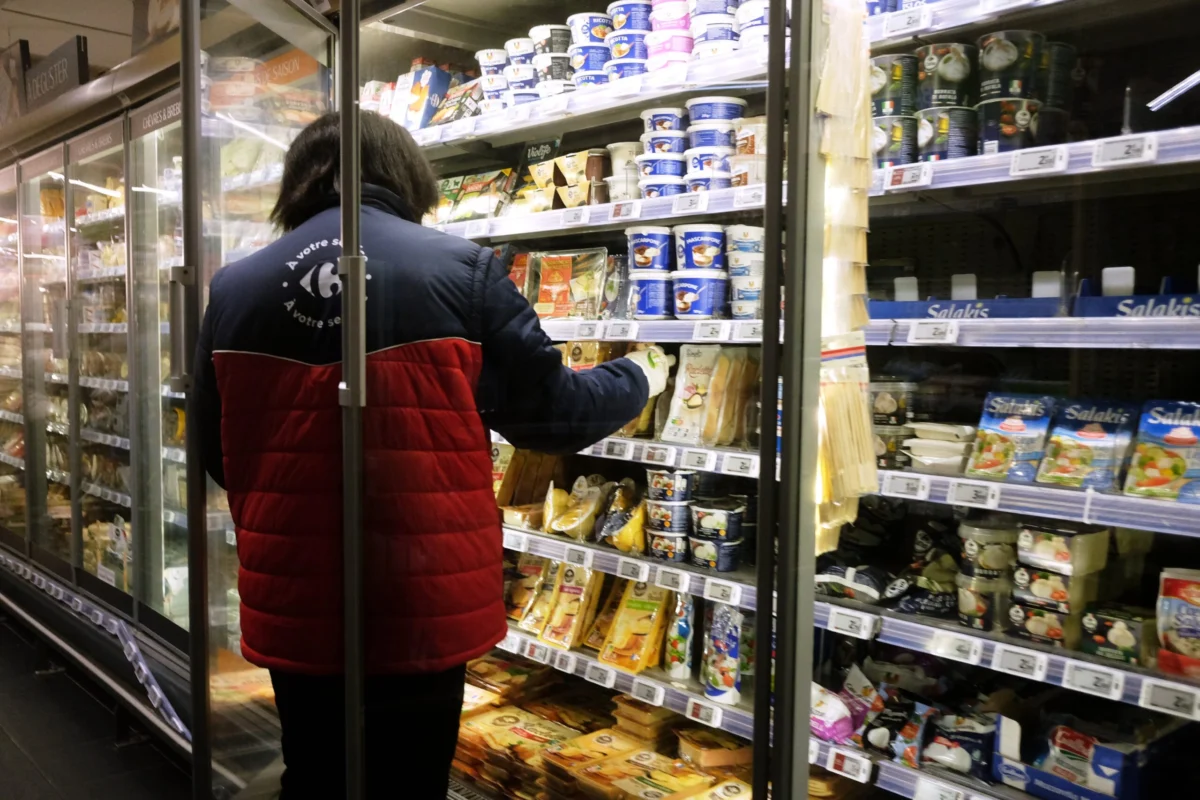
A British cybersecurity operation has successfully fixed a critical flaw in the operating systems of commercial fridges and freezers used extensively by supermarkets, warehouses, and restaurants across the country. This urgent intervention has helped protect vital food supply infrastructure from sophisticated cyberattacks that have disrupted retail and storage facilities in several European countries in recent weeks.
The proactive security update follows a wave of malicious cyberattacks that knocked out commercial refrigeration units from Sweden down to Belgium earlier in November. A remarkably similar hack hit France in October, catching retail operators off guard and forcing stores to discard millions of euros worth of perishable food items. While it was initially thought that Britain had largely escaped the cross-border hacking campaign because its domestic refrigeration industry relies on different hardware and device configurations, ongoing investigations by authorities and industry partners uncovered a dangerous flaw that could have provided an open gateway for malicious threat actors.
According to reports, a comprehensive software fix has now been developed and successfully rolled out to neutralize the threat.
The European attacks have triggered widespread alarms across the continent, prompting robust responses from international cybersecurity agencies. Following the widespread disruptions in Europe, Germany’s federal information security office issued formal warnings regarding continuing vulnerabilities in several industrial cooling appliances manufactured by Danish firm Danfoss. These appliances form the backbone of temperature-controlled storage networks for many large-scale commercial operations, making them prime targets for threat actors seeking to inflict maximum operational disruption.
The geopolitical dimension of these cyber incidents became starker when French intelligence and cybersecurity agencies publicly accused Iran’s Islamic Revolutionary Guards of carrying out the destructive October hack. According to French findings, that specific operation targeted roughly 700 commercial storage sites and triggered at least 15 physical fires by maliciously manipulating and artificially raising temperatures inside automated industrial refrigeration systems. The escalation from mere food spoilage to physical property damage and fire risks has elevated the security status of commercial cooling infrastructure from a routine IT concern to a critical national security priority.
In the United Kingdom, the vulnerability affecting domestic refrigeration systems was identified by technical consultants at Omega Systems. Recognizing the severe implications of the threat, commercial operators took immediate precautionary measures. Before the software patch could be fully engineered and deployed, major supermarkets proactively disconnected their connected fridges and freezers from the open internet, prioritizing defensive isolation to secure the devices against unauthorized remote access.
Britain’s National Cyber Security Centre, an arm of GCHQ, is well-known for issuing proactive notifications and early warning alerts to critical national infrastructure organizations and commercial entities where it believes technical vulnerabilities may exist. When approached regarding the latest developments and the successful containment of the refrigeration flaw, the NCSC declined to comment on the specific operational report.
The unfolding situation underscores the growing attack surface presented by the Internet of Things and connected operational technology, where physical industrial machinery is increasingly integrated with digital management networks. As supermarkets and supply chain operators increasingly rely on smart temperature monitoring and automated cooling controls to maximize energy efficiency and comply with food safety regulations, these interconnected systems have emerged as lucrative targets for state-sponsored hackers and cybercriminals alike. With the British vulnerability now patched and commercial operators maintaining heightened vigilance, authorities continue to monitor international threat intelligence to safeguard vital cold chain networks from future disruptions.
| Source | : | Finance Poetry |
| Author | : | rifanmuazin |
| Editor | : | Finance Poetry Editorial Team |