
Eli Lilly Raises Full-Year Guidance as Zepbound and Mounjaro Demand Drives Blowout Third-Quarter Results
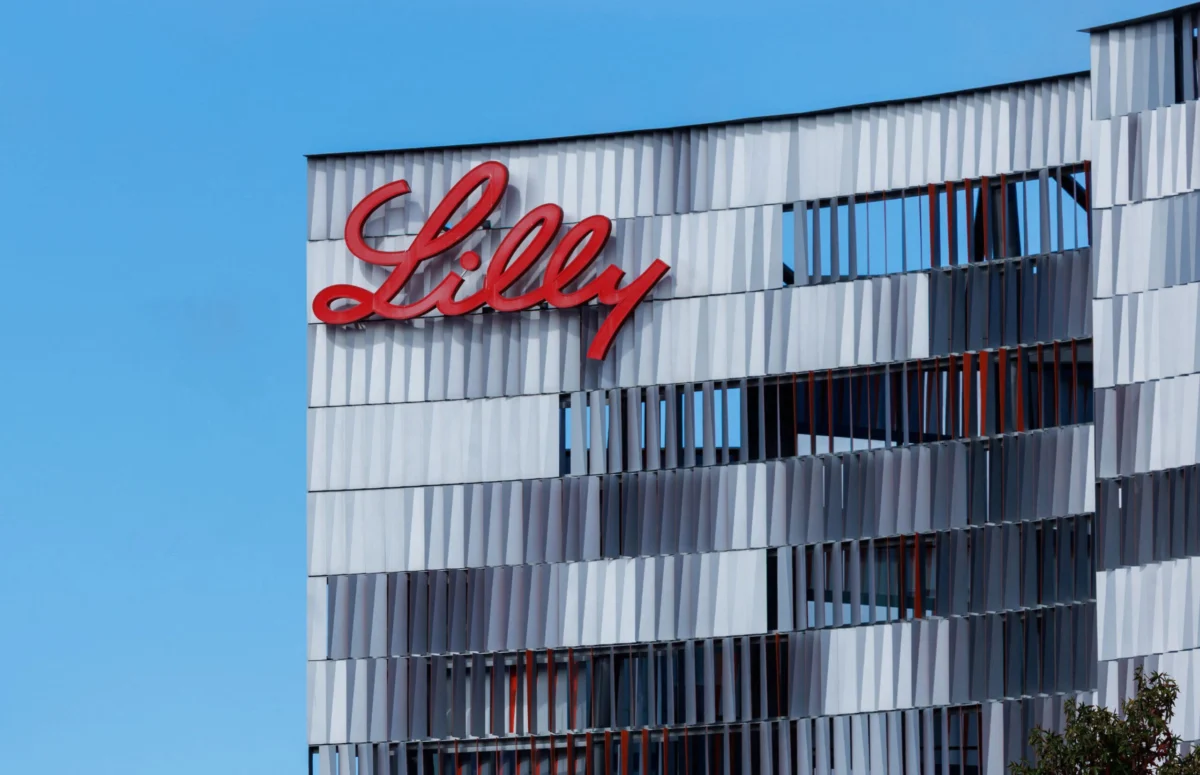
Eli Lilly reported third-quarter earnings and revenue on Thursday that easily surpassed Wall Street’s consensus expectations, driven by surging international and domestic demand for its blockbuster weight-loss medication Zepbound and its leading-edge diabetes treatment Mounjaro. Reflecting this sustained commercial momentum, the pharmaceutical giant dramatically increased its full-year financial outlook for revenue, even as it navigates lower net prices in the United States and continues its aggressive, profit-fueled dealmaking strategy across the biopharmaceutical sector.
The robust financial performance sent ripples through the market, pushing Eli Lilly’s shares up roughly 4% in premarket trading. CEO David Ricks is scheduled to appear on CNBC to discuss the company’s strong third-quarter results, detailing how the Indianapolis-headquartered drugmaker is managing its immense market share lead over its primary competitor, Novo Nordisk, amidst shifting pricing landscapes and rapidly expanding global healthcare coverage.
The stellar quarter is anchored by the relentless popularity of the company’s incretin-based therapies. Mounjaro, indicated for Type 2 diabetes, posted worldwide revenue of $10.72 billion for the quarter, marking a staggering 65% increase compared with the same period last year. International sales for Mounjaro proved particularly robust, jumping 93% outside the U.S., while domestic revenue reached approximately $5 billion. These figures easily outpaced analyst expectations compiled by StreetAccount, which had projected worldwide sales of $10.10 billion and U.S. revenue of $4.79 billion.
Zepbound, the company’s flagship obesity treatment that entered the market roughly three years ago, performed similarly well. The medication generated $5.35 billion in revenue for the third quarter, representing a 49% surge from the year-earlier period. The vast majority of those sales originated in the United States, where demand has remained exceptionally high despite falling realized prices. StreetAccount consensus estimates had pegged global sales for Zepbound at $5.09 billion, with $4.99 billion coming from the domestic market.
Despite the sweeping success of these injectable blockbusters, sales of Eli Lilly’s newly launched GLP-1 obesity pill, Foundayo, came in slightly below Wall Street’s expectations for the quarter. Foundayo, which secured U.S. regulatory approval in April and marks the second consecutive quarter of reporting revenue for the oral medication, took in $184 million in sales. Analysts had forecast roughly $229 million in sales for the pill, which is currently competing head-to-head against a rival oral therapeutic from Novo Nordisk that launched in January.
Even with the slight shortfall on the newly introduced oral treatment, Eli Lilly’s overall market dominance in the booming category for GLP-1 receptor agonists remains firmly entrenched. According to the company’s third-quarter earnings presentation, Eli Lilly maintained a 63% share of the U.S. obesity and diabetes drug market during the period, comfortably ahead of Novo Nordisk, which held a 36.6% market share. Internationally, Lilly also led the field, capturing 58.4% of the market compared with 41.6% for its chief rival.
The company’s financial results were driven by strong volume growth across its core product lines. Eli Lilly reported a 34% increase in overall U.S. revenue to $15.1 billion, underpinned by a 41% surge in volume—representing the actual number of prescriptions or units sold—primarily led by Mounjaro and Zepbound. This volume-driven expansion was partially offset by a 7% decrease in realized prices, which was driven primarily by Zepbound concessions and market adjustments.
International markets exhibited a similar dynamic. Sales outside the United States jumped 47% to reach $9.3 billion, propelled by an impressive 76% surge in unit volume that was partly offset by a 29% drop in realized prices. In addition to core pharmaceutical sales, Lilly’s third-quarter financials received a timely boost from a $410 million sales-based milestone payout for its Type 2 diabetes medication Jardiance, stemming from its ongoing collaboration with Boehringer Ingelheim.
The extraordinary demand for Zepbound and Mounjaro has fueled multiple consecutive quarters of strong financial performance for Lilly, navigating an environment defined by lower net prices in the U.S. These pricing adjustments followed a drug pricing agreement struck with the administration last year. Furthermore, Lilly’s quarterly release highlighted the positive impact of expanded U.S. coverage for obesity care, pointing specifically to Medicare’s decision implemented in July to begin covering GLP-1 medications for weight loss under a temporary pilot program.
Buoyed by these volume tailwinds and strong market uptake, Eli Lilly significantly upgraded its financial projections for the full year 2026. The pharmaceutical giant now expects annual revenue to come in between $91 billion and $92 billion, representing a substantial upward revision from its previous guidance range of $85 billion to $87 billion.
At the same time, Lilly projected that its full-year adjusted earnings will range between $35 and $36 per share. This compares with a previous outlook of $35.50 to $36.50 per share. Company executives noted that while they raised underlying profit guidance by $4.07 per share at the midpoint, the adjustment is offset by $4.57 per share in one-time charges tied to corporate transactions completed during the quarter.
For the third quarter specifically, Eli Lilly booked net income of $6.45 billion, or $7.22 per share, a figure that includes the $4.57 per share deal-related charges. This compares favorably with net income of $5.58 billion, or $6.21 per share, reported for the same period a year earlier. Excluding one-time items associated with the value of intangible assets and other operational adjustments, Eli Lilly posted adjusted earnings of $7.48 per share for the third quarter.
The pharma giant is effectively converting its massive commercial profits into an active dealmaking spree, deploying capital to expand its therapeutic pipelines. Most recently, the company struck an agreement to acquire Merida Biosciences to develop a new class of treatments aimed at serious autoimmune and allergic diseases, signaling that management intends to reinvest its current windfall into long-term scientific innovation beyond metabolic disorders.
| Source | : | Finance Poetry |
| Author | : | rifanmuazin |
| Editor | : | Finance Poetry Editorial Team |