
Home-Renovation Expense Keeps Rising as Companies Pass on Costs
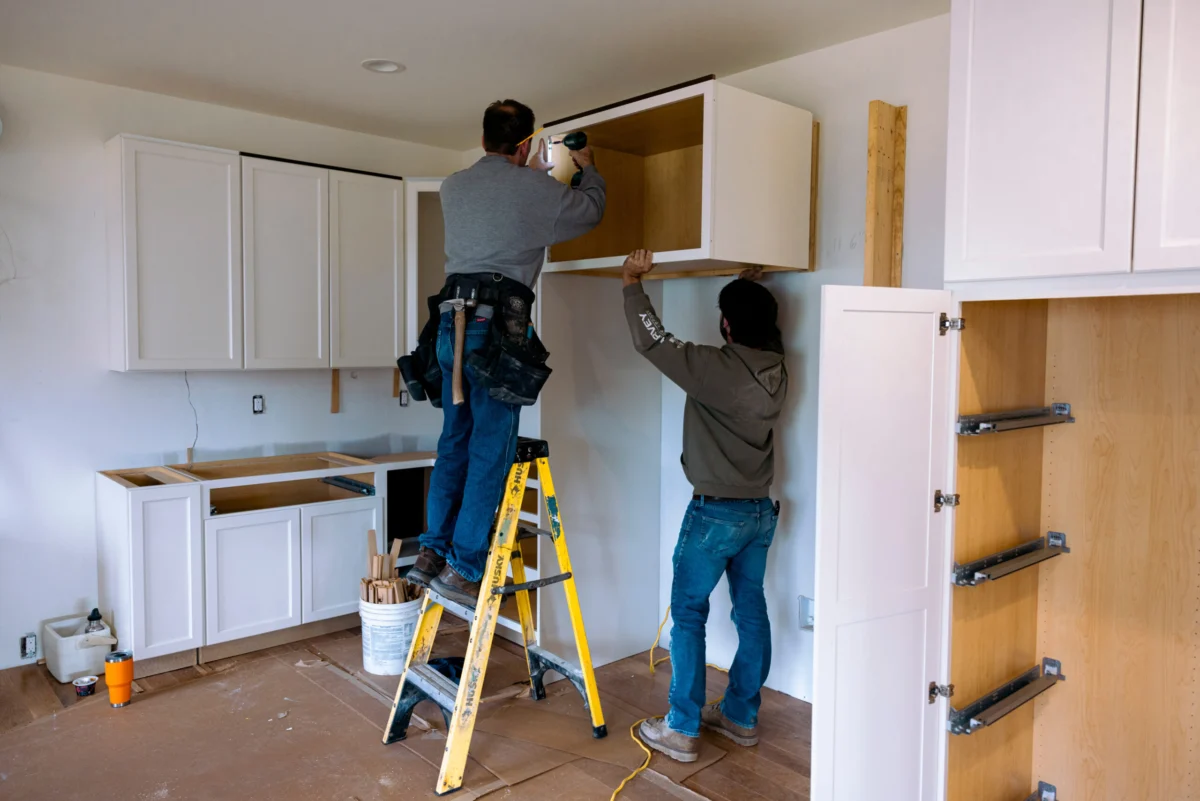
The cost of repairing or remodeling a home has risen steadily through October, driven upward by a complex convergence of macroeconomic pressures. Higher oil and energy prices, compounded by elevated interest rates stemming from the ongoing conflict involving Iran, have created a compounding financial burden that is rippling across the entire housing sector. According to data analytics provider Verisk, home repair and remodeling costs rose at their fastest quarterly pace since October 2024 during the three months leading up to June.
This upward trajectory shows no immediate signs of slowing down. Repair bills could climb even further in the near future as major manufacturers of essential home goods—including paint, plumbing fixtures, major appliances, and air conditioning units—prepare to push through another round of consumer price increases. Many of these companies previously raised their prices last year in response to sweeping tariffs, and they are now moving to offset escalating materials and freight expenses once again.
Corporate leaders across the manufacturing and building supply sectors have pointed to these mounting pressures during recent earnings calls. Mark Hershey, Chief Executive Officer of ceiling maker Armstrong World Industries Inc., emphasized the severity of the current economic environment, noting that the recent quarter represented the most significant inflationary period the company has experienced since mid-2022. Armstrong raised its prices in November, highlighting that its freight costs had surged by approximately 20% compared to the previous year.
Other major industry players have echoed these sentiments, implementing their own aggressive pricing strategies to stay afloat amid rising operational expenses. Paint producer Sherwin-Williams Co. executed an 8% price increase in September and has pointedly not ruled out the possibility of further hikes in the coming months. Similar pricing actions have been taken by Pool Corp. and HVAC manufacturing giant Carrier Global Corp. Both companies cited escalating costs for essential raw materials like steel, copper, and aluminum, alongside soaring freight expenses, leading them to project that these inflationary pressures will persist well into 2027.
Major appliance manufacturers are also joining the trend. Whirlpool Corp., which manufactures household name brands such as KitchenAid, Maytag, and inSinkErator alongside its flagship Whirlpool brand, announced plans to boost US prices by 7% in December.
The construction and hardware sector anticipates similar financial adjustments. Patrick Hallinan, Chief Financial Officer of construction tools maker Stanley Black & Decker Inc., noted during an earnings call that the company expects to navigate meaningful inflation as it looks toward 2027. He explained that the company plans to address these challenges through productivity measures and targeted pricing actions, with a price increase likely to be implemented around the turn of the year.
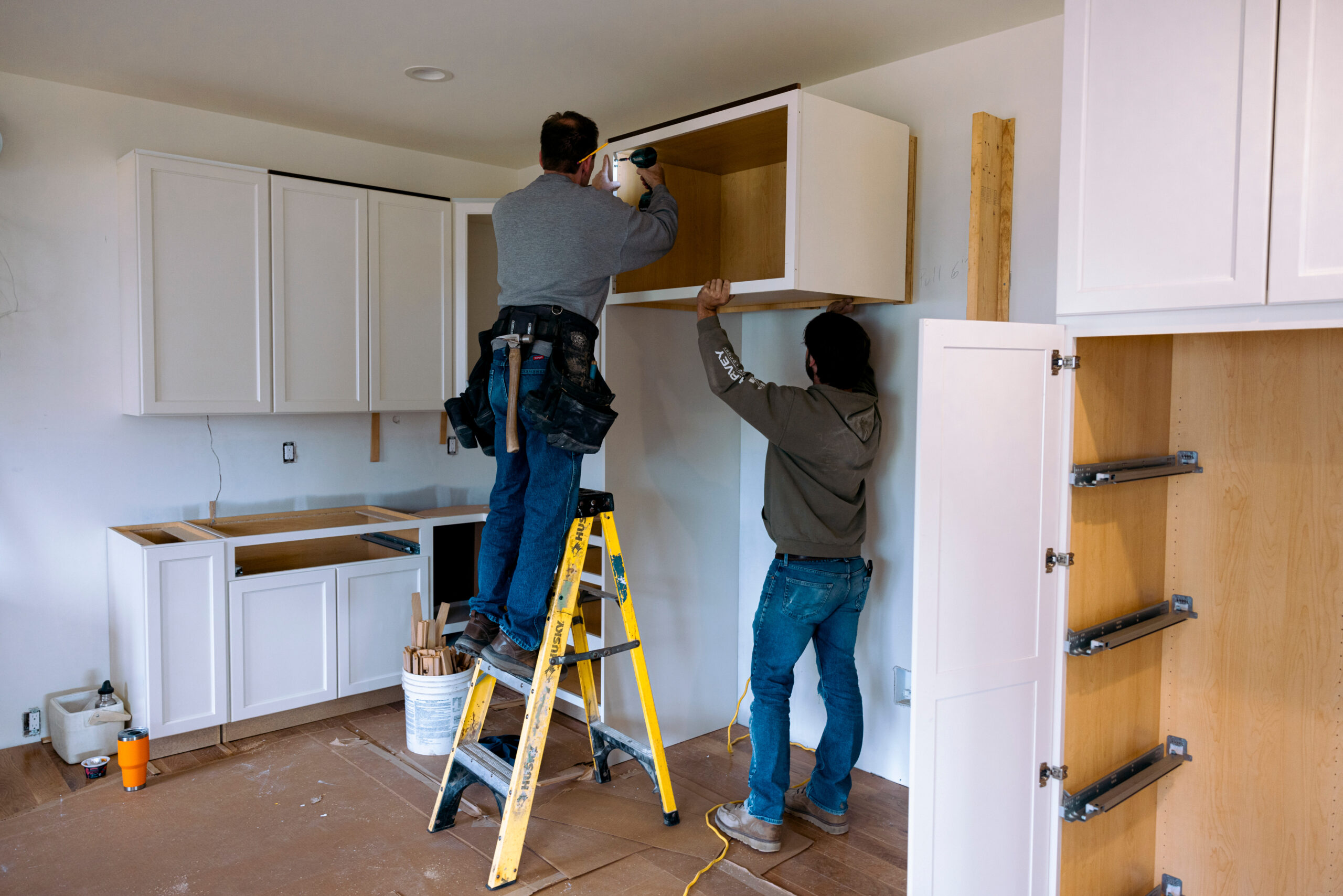
According to Bloomberg Intelligence analyst Drew Reading, a company’s ability to successfully pass along these higher costs to consumers largely depends on the specific product category. Homeowners generally have less leeway to avoid essential repairs and routine maintenance, meaning demand for fundamental upkeep tends to remain resilient even as prices climb. However, consumers facing tight budgets may still trade down on specific cosmetic or secondary items, such as choosing lower-cost faucets or toilets rather than premium models.
This underlying resilience in maintenance demand may ultimately provide a reliable floor beneath corporate earnings. For instance, roofing manufacturer Carlisle Cos. Inc. expects its current pricing strategy to become a financial tailwind as operational costs eventually normalize heading into 2027. The company anticipates that its cumulative price increases will fully catch up with rising costs by the end of 2026. Thus far, according to CEO Christian Koch, higher prices have not noticeably hurt overall consumer demand or triggered unusual waves of pre-buying among customers.
Similarly, Masco Corp., which manufactures faucets and plumbing products under brands including Hansgrohe, credited strategic pricing with helping drive a notable 13% increase in its adjusted operating profit during the third quarter. Addressing the potential for additional price hikes in 2027, Masco CEO Jonathon Nudi described price adjustments as the "last lever we pull."
Analyst Drew Reading noted that existing price increases across the market have largely reflected companies attempting to mitigate earlier tariff impacts and input-cost pressures. However, accelerating costs for copper, oil-based materials, and freight create a strong potential need for companies like Masco to implement further price increases as 2027 unfolds.
These ongoing escalations contribute to a long-running financial squeeze for American homeowners. Verisk data reveals that home repair and remodeling costs are currently sitting at a decade high, having risen by roughly 64% since 2016 as of October.
While essential maintenance remains steady, Reading cautions that further price increases are increasingly likely to weaken demand for larger, big-ticket discretionary items as consumers grow more cautious with their discretionary spending.
Many households are already altering their purchasing behavior in response to the strain. According to Whirlpool CEO Marc Bitzer, some consumers are choosing to put off larger purchases altogether, opting to repair older appliances rather than investing in brand-new replacements. Even so, Bitzer acknowledged the inevitability of the market, noting that "at one point, people will replace it."
| Source | : | Finance Poetry |
| Author | : | rifanmuazin |
| Editor | : | Finance Poetry Editorial Team |