
Mexico Files Formal Complaint Against US Over DEA Tip Line Amid Rising Sovereignty Tensions
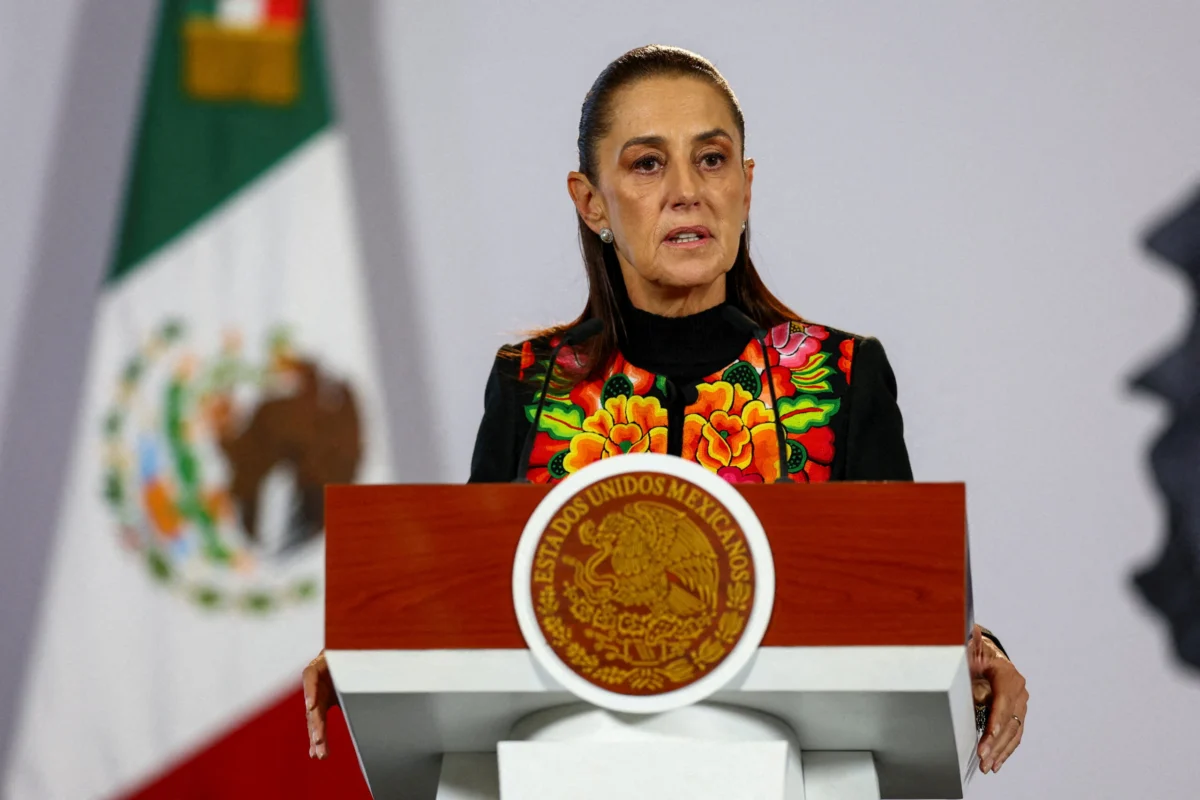
Tensions between Mexico and the United States have escalated sharply following the launch of a new US Drug Enforcement Administration tip line targeting suspected drug traffickers and alleged government corruption. Mexican President Claudia Sheinbaum announced that her administration has filed a formal diplomatic complaint, emphasizing that relations between the two neighboring countries must be built strictly on mutual respect and national sovereignty rather than subordination.
The diplomatic friction centers on a newly established DEA initiative inviting informants to submit tips regarding members of criminal organizations, corrupt officials, and individuals collaborating with drug traffickers in Sinaloa, the northwestern Mexican state that serves as the primary stronghold of the Sinaloa Cartel. DEA Administrator Terry Cole announced the tip line on social media, promising complete confidentiality for informants utilizing encrypted messaging platforms such as Signal, WhatsApp, and email.
However, the initiative has met with immediate pushback from the Mexican government. Speaking during her regular morning news conference on Friday, President Sheinbaum revealed that Foreign Minister Juan Ramon de la Fuente had directly contacted the US ambassador to Mexico to formally lodge the complaint. According to Sheinbaum, the US ambassador indicated that he would review the matter, but the Mexican government has made its stance unequivocally clear.
"We have made it very clear that our relationship with the United States is one of coordination, not subordination," Sheinbaum told reporters, touching on a deeply sensitive nerve in cross-border relations.
Alleged links between elected officials and organized crime have become an increasingly fraught political battleground for Sheinbaum’s administration. The Mexican government has consistently rejected what it characterizes as overreach and direct interference by US authorities in Mexican domestic affairs. The latest diplomatic dispute unfolds against a backdrop of intensifying US pressure under President Donald Trump, who has repeatedly threatened unilateral military or economic action against Mexican cartels if Mexico fails to sufficiently curb the flow of illicit drugs.
Despite the escalating rhetoric, security cooperation between the two nations has actually expanded significantly under Sheinbaum’s watch. Pressured by Washington, her administration has intensified military and law enforcement operations against organized crime networks and the smuggling of deadly synthetic opioids like fentanyl. Recent joint efforts bore fruit with the high-profile capture of drug lord Fausto Isidro Meza Flores, widely known as "El Chapo Isidro." Mexican officials confirmed that the operation was executed by Mexican military troops with critical support from US intelligence.
Yet, bilateral security cooperation has been repeatedly tested by deep-seated institutional mistrust. The DEA has long been a major source of friction between Washington and Mexico City, with Mexican officials frequently accusing the American agency of operating beyond its legally mandated authority and trampling upon national sovereignty.
Those underlying tensions flared earlier this year following a separate security scandal. Two US nationals killed in the northern border state of Chihuahua were subsequently identified by sources as Central Intelligence Agency personnel. The disclosure exposed covert US intelligence gathering operations inside Mexico that President Sheinbaum stated her government had been completely unaware of, further straining diplomatic trust.
Adding fuel to the fire, Sheinbaum used her Thursday press briefing to sharply criticize the DEA’s own operational track record. Reading excerpts from a recent investigative report by The Associated Press, she highlighted how the US agency allowed at least 1.4 million counterfeit fentanyl pills to bypass seizures while spending eight months tracking a single drug trafficking ring flooding the southwestern United States with deadly narcotics.
"The DEA has plenty of work to do in its own country. A lot," Sheinbaum remarked sharply. "The first thing it should do is investigate corruption in the United States linked to organized crime, or what they call terrorist groups." She added during Friday’s conference that the United States should prioritize tackling domestic drug consumption and dismantling criminal syndicates operating directly within its own borders.
The launch of the DEA’s tip line also coincides with broader US efforts to root out alleged political corruption in Mexico. Reports indicate that the Trump administration has previously pressed Mexican authorities to investigate politicians suspected of maintaining ties with cartels and to expedite their extradition to the United States to face criminal charges. Sources familiar with those diplomatic discussions revealed that the allegations have touched figures within Sheinbaum’s governing Morena party.
Among the high-profile Mexican politicians who have faced scrutiny from US authorities is Sinaloa Governor Ruben Rocha Moya. Governor Rocha Moya has consistently and repeatedly denied any wrongdoing or illicit associations.
As the diplomatic fallout over the tip line continues to unfold, the DEA has not immediately responded to requests for comment from international news agencies regarding the formal complaint lodged by Mexico City. With both nations navigating a complex and politically charged security landscape, the latest dispute highlights the fragile balance between joint counter-narcotics efforts and Mexico’s fiercely guarded national sovereignty.
| Source | : | Finance Poetry |
| Author | : | rifanmuazin |
| Editor | : | Finance Poetry Editorial Team |