
Nordea Bank Risks Almost $1 Billion Fine in Denmark Money Laundering Case
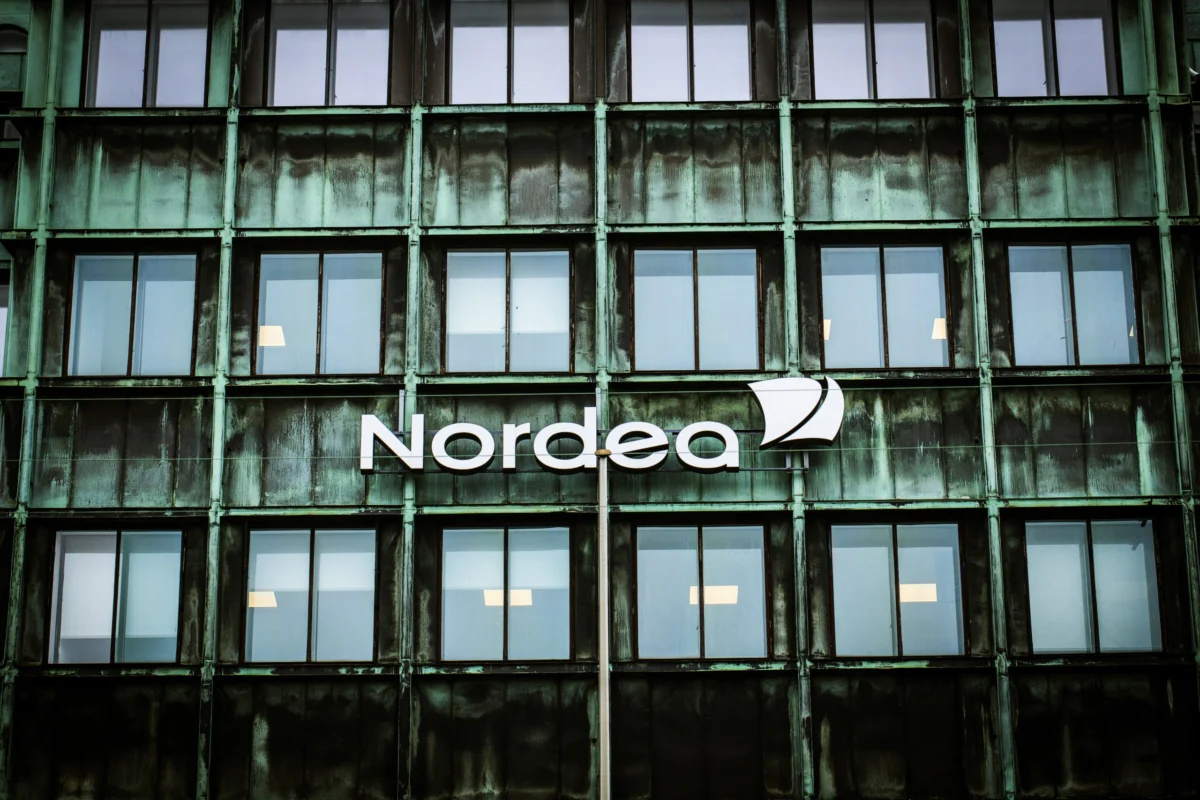
The upcoming verdict marks a watershed moment in Denmark’s financial regulatory history, representing the first time a money-laundering criminal investigation against a major bank has actually gone to court. In previous instances involving systemic compliance breakdowns within the Danish banking sector, lenders and authorities have managed to reach settlements out of court. However, prosecutors in this proceeding are aggressively pursuing a massive fine connected to 26 billion kroner—roughly $3.9 billion—of suspicious transactions processed predominantly between 2012 and 2015. The bulk of these contested transactions flowed through a single Nordea branch located in Copenhagen. Nordea has continuously denied the charges levied against it, and the Danish court is scheduled to hand down its official ruling on Monday.
The gravity of the proceeding has been underscored by Denmark’s National Special Crime Unit, which has explicitly described the indictment as the most comprehensive case involving violations of the Money Laundering Act ever witnessed in the Danish banking sector. This high-profile prosecution follows closely on the heels of other historic regulatory reckonings in the region. Most notably, Danske Bank settled a massive landmark case in late 2002—referring to late 2022—in which it formally admitted to all money laundering-related charges brought against it. Among the sweeping financial penalties Danske Bank paid to various international and domestic authorities, including the United States Department of Justice, the lender agreed to pay 3.5 billion kroner to settle directly with Danish law enforcement. Crucially, that settlement amount represented exactly a quarter of the 14 billion kroner worth of suspicious transactions that Danish investigators had successfully identified.
In the case of Nordea, prosecutors have charged the bank with operating with profoundly deficient internal controls, systematically ignoring automated and manual compliance alarms, and failing to report highly suspicious money flows to the appropriate regulatory authorities. One of the core allegations brought forward by the prosecution is that the bank failed to conduct adequate, legally mandated customer due diligence and background checks on transactions carried out by 25 specific clients. These accounts reportedly exhibited glaring red flags that should have immediately triggered enhanced scrutiny, including the use of letterbox business addresses and opaque corporate ownership structures designed to hide the true beneficiaries of the funds.
Throughout the entirety of the legal proceedings, Nordea has maintained its stance that it fundamentally disagrees with the legal assessments made by the authorities. The bank reiterated its position during the court case that it is entirely not guilty of the criminal charges brought against it, arguing that its core defense position had been further substantiated and validated as the legal arguments unfolded in court.
"Our controls and processes ten years ago could – particularly when viewed from today’s perspective – have been better," Nordea stated in an emailed comment to Bloomberg in June, offering a candid reflection on the evolution of compliance standards. "But there is a difference between whether you could have done something better and whether you have committed a criminal act."
Long before the case reached the courtroom stage, Nordea had publicly acknowledged that it expected to face financial penalties in Denmark due to weak anti-money-laundering processes and inadequate administrative procedures during its past operations. Signaling an early acknowledgment of historical regulatory shortcomings, the financial institution prudently set aside a 95 million euro provision back in 2019 specifically earmarked for these related legacy matters.
The precise magnitude of a potential financial penalty has naturally remained a central point of contention and debate surrounding the case. Hans Fogtdal, a qualified lawyer and former deputy public prosecutor at the National Special Crime Unit, previously explained that a Danish court possesses the legal latitude to impose a substantial fine of as much as 6.5 billion kroner. This calculation is derived from specialized legislation that became effective in 2019, which explicitly permits regulatory penalties to equal up to a quarter of the total value of suspicious transactions passing undetected through a banking institution.
Nordea has consistently argued that the case reaches back, in certain instances, more than a decade into the past and objects to the legal framework being applied retroactively or improperly. The bank contends that the allegations are being assessed and penalized based on subsequent regulations and harsher standards that were not active during the exact time frame when the transactions originally took place.
Initially, the National Special Crime Unit declined to publicly specify the exact penalty amount it would ultimately seek from the court, though it firmly confirmed that it strongly disagreed with Nordea regarding the appropriate financial scale of any potential punishment. As the legal proceedings advanced, prosecutors solidified their position by formally seeking the 6.6 billion-krone penalty through written legal procedures submitted to the court.
As the legal teams, financial analysts, and corporate stakeholders await Monday’s verdict, the outcome is widely expected to set a definitive legal precedent for how historical banking compliance failures are prosecuted and penalized within the Scandinavian financial landscape.
| Source | : | Finance Poetry |
| Author | : | rifanmuazin |
| Editor | : | Finance Poetry Editorial Team |