
North Carolina Voters Narrowly Approve Constitutional Amendment Limiting Property Tax Increases
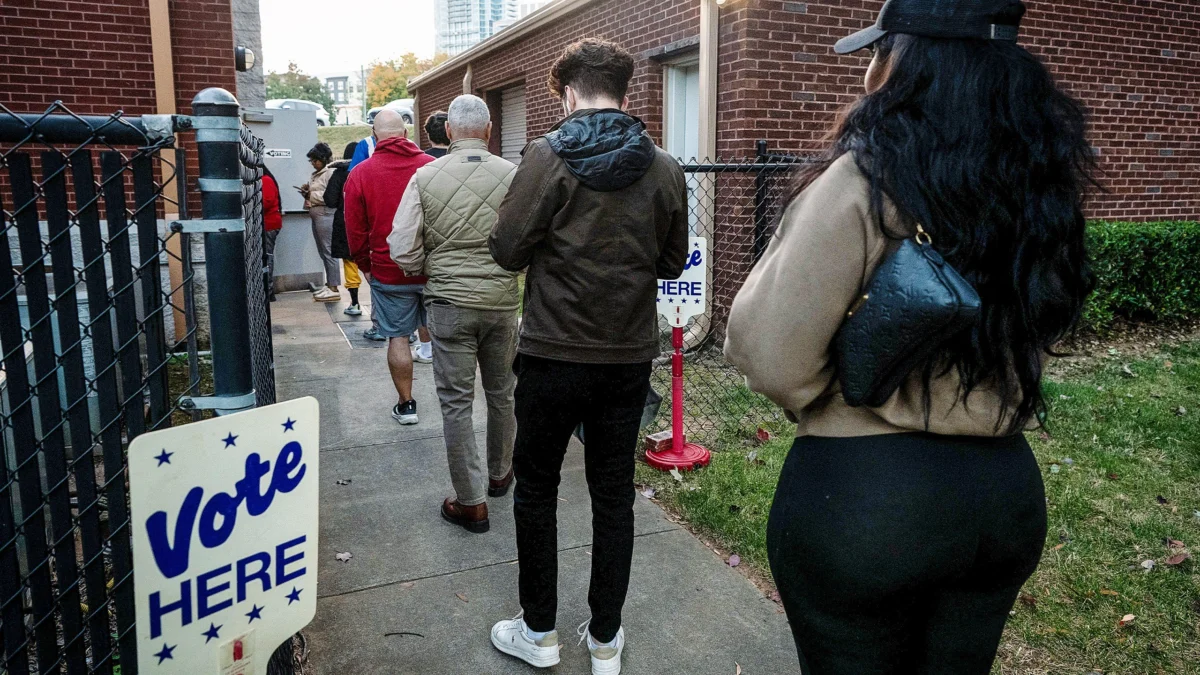
On Tuesday, North Carolina voters narrowly approved House Bill 1089, a high-stakes constitutional amendment that places a restriction on property tax increases across the state. The measure faced a high threshold for enactment, requiring a 60% supermajority of the vote to secure passage. When the final tallies were completed, the amendment cleared that hurdle by the slimmest of margins, receiving 60.4% voter support.
While the successful ballot measure establishes the principle of a property tax limitation within the state constitution, it notably leaves out the specific mechanics and terms of those caps. Instead, the exact parameters, thresholds, and enforcement mechanisms of these limits will be left entirely up to the North Carolina General Assembly to debate, draft, and decide in upcoming legislative sessions.
The push for the constitutional amendment was spearheaded by conservative lawmakers and proponents who argued that skyrocketing property assessments have placed an unfair and excessive financial burden on local residents. North Carolina House Speaker Destin Hall, one of the primary architects behind the legislative push, contended that surging property values have allowed various local governments to rake in billions of dollars in extra revenue without offering proportional increases in public services or infrastructure improvements.
Last year, in response to growing constituent complaints regarding rising housing costs and municipal budgets, Hall formed the House Select Committee on Property Tax Reduction and Reform. This specialized, 23-member committee was tasked with deeply examining property tax structures, assessment practices, and revenue generation across the state’s 100 counties.
"Families are getting ripped off as some, but by no means all, local governments rake in billions more than inflation and population growth warrant," Hall said in a press release earlier this year, setting the tone for the contentious statewide debate that would follow in the months leading up to the election.
Support for the amendment largely broke down along predictable ideological and economic lines. Conservatives, taxpayer advocacy groups, and major commercial organizations strongly backed the measure, arguing that a constitutional cap is a vital mechanism to curb runaway local government spending and shield homeowners and businesses from unpredictable tax spikes.
During the campaign, some political pundits theorized that placing the constitutional amendment on the ballot during an off-election year was a strategic maneuver designed primarily to drive conservative and Republican voters to the polls. However, that political theory faced skepticism from academic experts. Western Carolina University professor Chris Cooper told NPR’s All Things Considered that the turnout strategy hypothesis did not hold much weight under closer scrutiny.
"The notion that North Carolinians were not going to show up and vote from the Republican persuasion, but now they are because of a constitutional amendment, is on there, frankly that stretches credibility for me a little bit," Cooper remarked during the interview, suggesting that voters engaged with the measure based on its direct economic implications rather than purely partisan mobilization.
Conversely, a broad coalition of critics fiercely opposed the proposal from its inception, warning that imposing a rigid property tax cap would severely hobble local governments, undermining their ability to fund essential community needs. Among the prominent voices sounding the alarm was the North Carolina Housing Coalition, which published an analysis arguing that the property tax limitation would disproportionately benefit larger corporate property owners and commercial landlords while providing negligible financial relief to everyday owners of single-family homes.
Those concerns were echoed by labor and education leaders who argued that the long-term consequences of revenue caps would be felt most acutely in public institutions. Tamika Walker Kelly, president of the North Carolina Association of Educators, strongly criticized the bill, characterizing it as a policy that prioritizes tax breaks for wealthy interests over the needs of public school classrooms.
"When local revenue is constrained, schools feel it immediately with overcrowded classrooms, aging school buildings, and educators stretched too thin," Walker Kelly told NC Newsline. "A constitutional cap does not protect struggling families. It protects the largest landowners in the state, while the families who depend on public schools are left with less."
To understand the broader context of the debate, property tax rates in the United States are determined at the local municipal and county levels rather than by state governments, leading to substantial variations across the country. According to data compiled by the Tax Foundation, a nonpartisan tax policy nonprofit, the average effective property tax rate on owner-occupied housing in North Carolina sits at 0.66%. This rate is relatively low when compared with high-tax states such as New Jersey and Illinois, where the effective property tax rates climb as high as 1.88%.
With the amendment now officially approved by voters, attention shifts immediately to the state capital. Because the ballot measure establishes only the framework for a cap without detailing its actual terms, lawmakers in the North Carolina General Assembly will now bear the responsibility of crafting the specific statutory language that will govern property tax increases moving forward, setting the stage for what promises to be a rigorous and closely watched legislative battle.
| Source | : | Finance Poetry |
| Author | : | rifanmuazin |
| Editor | : | Finance Poetry Editorial Team |