
Payhawk Secures $280 Million in Series C Funding Led by Goldman Sachs Alternatives, Reaching a $2 Billion Valuation
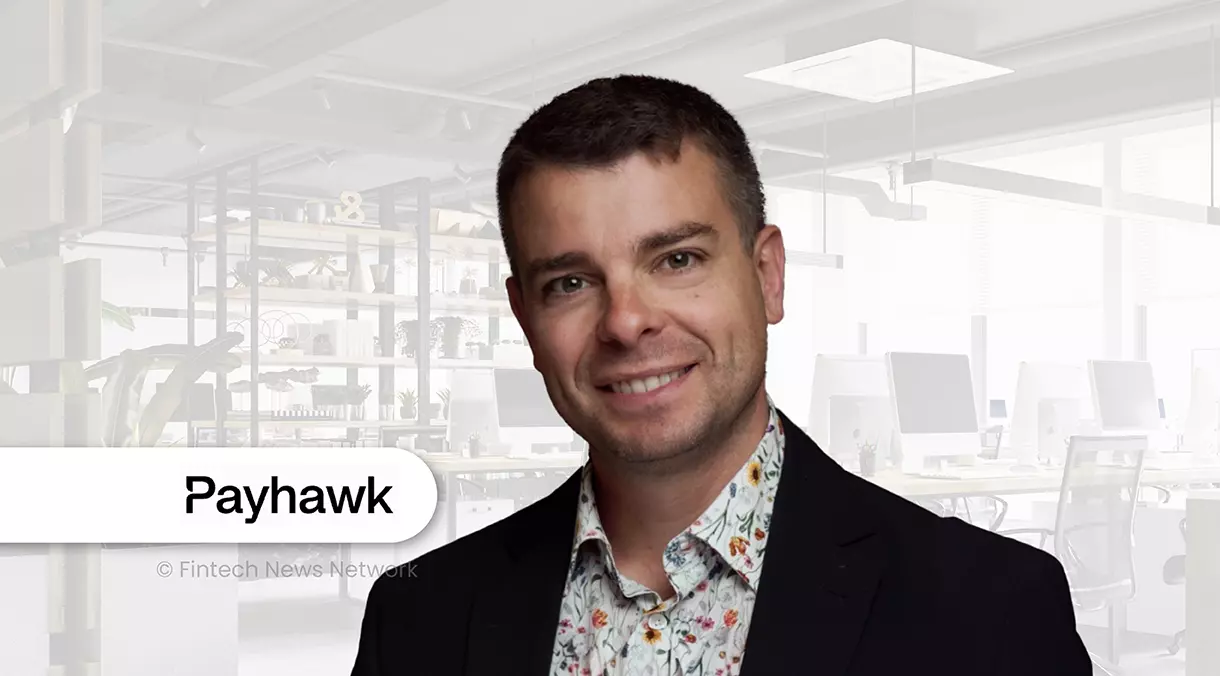
Payhawk, a prominent player in the financial technology sector, has successfully raised US$280 million in a Series C funding round led by Growth Equity at Goldman Sachs Alternatives. The all-equity transaction values the expanding fintech enterprise at an impressive US$2 billion, bringing the company’s total funding raised to date past the US$515 million threshold.
The latest investment round saw robust participation from a broad cohort of existing backers, reaffirming their confidence in Payhawk’s long-term business strategy and market trajectory. Returning investors include notable venture capital firms such as QED, Greenoaks, Lightspeed, Hedosophia, and Bek Ventures. In addition to the strong showing from its current supporters, Payhawk attracted a new group of strategic backers, including Galdana Ventures, Cogito Capital, Inveready, and Invus, alongside prominent European entrepreneurs Tomas Okmanas and Didac Lee.
As part of the transaction terms, James Hayward, a managing director within the growth equity team at Goldman Sachs, is set to join Payhawk’s board of directors. The completion of the deal remains subject to customary closing conditions and standard regulatory approvals.
With this substantial capital injection, Payhawk plans to accelerate its strategic evolution, moving well beyond traditional spend management capabilities. The primary objective behind the Series C funding is to construct what the company terms a comprehensive Finance Operating System. This ambitious platform is designed to transform how modern enterprises handle their day-to-day financial operations by integrating cutting-edge artificial intelligence directly into core corporate financial workflows.

The architecture of this emerging Finance Operating System is built upon three distinct layers. At the operational core, specialized artificial intelligence agents handle complex finance tasks autonomously. To ensure that these digital agents can operate securely, the platform is anchored by a dedicated payments infrastructure designed to handle money movements safely and reliably. Wrapping around these capabilities is a robust framework of enterprise controls, which dictates precisely what the AI agents are permitted to do and establishes clear protocols for when human intervention and decision-making are required.
According to company data, market adoption of these capabilities is already well underway. Payhawk reports that 77% of its customer base actively utilizes these integrated AI agents on a daily basis to manage financial control, procurement processes, travel expenses, and reporting obligations.
The fintech firm contends that while many existing software solutions, including enterprise resource planning (ERP) systems, traditional banking platforms, and other corporate tools, are beginning to incorporate Model Context Protocol (MCP) servers, this technological addition alone is insufficient to make corporate finance genuinely smarter or more efficient.
Hristo Borisov, co-founder and Chief Executive Officer at Payhawk, emphasized the necessity of a holistic approach when deploying advanced technology in corporate finance environments.
“AI alone cannot deliver this transformation; it must be combined with a robust payment infrastructure and enterprise controls to truly unlock the potential of every enterprise in the new AI era,” said Borisov.

Beyond its technological ambitions, Payhawk has also reached significant financial milestones in its core business operations. The company announced that it achieved a cash-flow-positive status during the third quarter. Furthermore, the firm noted that it has retained approximately 70% of the capital it secured during its previous major funding round in 2022, demonstrating disciplined financial management alongside rapid growth.
Payhawk’s underlying business model relies primarily on software subscriptions rather than traditional card interchange fees. The company asserts that this subscription-driven revenue model provides a distinct competitive advantage, enabling it to develop advanced artificial intelligence tools that function effectively across various payment methods, extending far beyond its own proprietary cards.
Highlighting the flexibility of this approach, Payhawk points to its deployment in the United States, where its Financial Controller Agent operates seamlessly on top of the corporate cards that customers already have in use, illustrating the company’s capability to integrate into existing corporate ecosystems without forcing disruptive infrastructure changes.
| Source | : | Finance Poetry |
| Author | : | rifanmuazin |
| Editor | : | Finance Poetry Editorial Team |