
Qatar and UAE Maintain LNG Shipments Through Strait of Hormuz Amid Regional Conflict
Published in: Daily Gas Price Index
Filed under: International, LNG
Author: Jamison Cocklin
Qatar and the United Arab Emirates are pressing forward with vital liquefied natural gas exports, continuing to dispatch cargo vessels through the critical Strait of Hormuz despite ongoing security threats. The maritime route, which serves as one of the world’s most important energy chokepoints, has faced persistent disruptions as regional hostilities involving Iran and the United States escalate. Commercial shipping in the waterway has repeatedly found itself in the crossfire of the protracted conflict, posing severe logistical and safety challenges for major Middle Eastern energy producers.
The decision by key Persian
Gulf exporters to maintain steady transit schedules underscores the irreplaceable role that the Strait of Hormuz plays in global energy security. Every day, massive tankers laden with super-chilled fuel navigate the narrow maritime corridor, connecting vast natural gas fields in the Arabian Gulf to international markets across Europe and Asia. Even as geopolitical tensions reach hazardous levels and security assessments grow increasingly complex, energy authorities in Doha and Abu Dhabi are demonstrating a commitment to keeping global supply chains functioning.
At a Glance:
- Qatar and the UAE continue dispatching LNG vessels through the Strait of Hormuz.
- Shipments persist despite ongoing threats to commercial shipping from Iran amid its conflict with the United States.
- The continued flow highlights the vital importance of the Persian Gulf corridor to international natural gas markets.
The Strait of Hormuz is a narrow, strategically vital waterway situated between Oman and Iran, linking the Persian Gulf with the Gulf of Oman and the Arabian Sea. It represents the world’s most critical oil and LNG transit bottleneck, carrying a substantial share of globally traded liquefied natural gas. Any significant restriction or closure of this corridor threatens to send shockwaves through international commodity markets, immediately impacting pricing, industrial activity, and residential heating and power generation worldwide.
In recent months, the backdrop of the conflict between the United States and Iran has transformed the waterway into a high-risk zone for commercial vessels. Security incidents, military escalations, and threats to navigation have forced shipowners, charterers, and energy companies to constantly re-evaluate maritime risk profiles. Insurance premiums for voyages passing through the region have surged, and vessel operators have had to implement heightened security measures, coordinate closely with naval authorities, and monitor real-time threat intelligence to protect crews and multi-million-dollar cargoes.
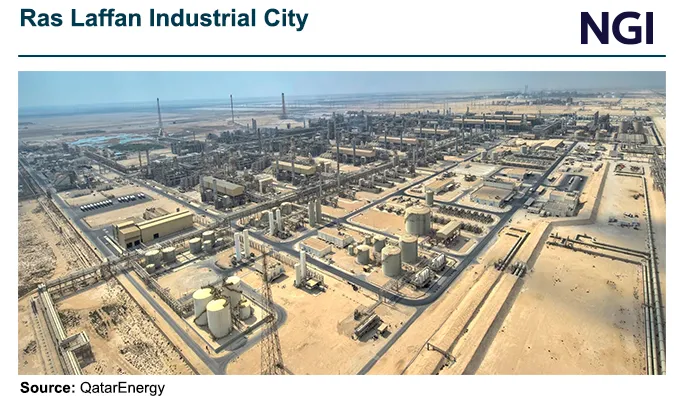
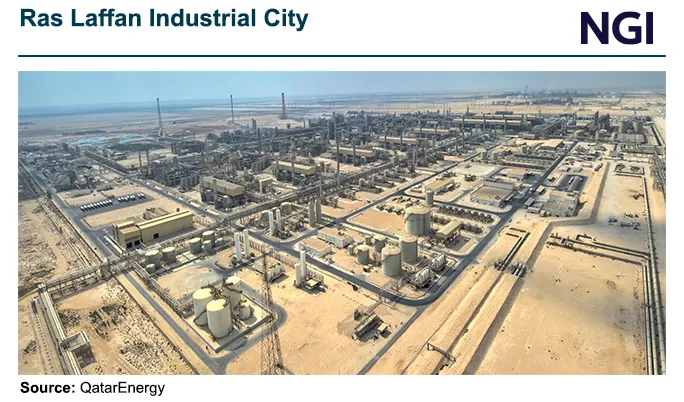
Despite these escalating operational hurdles, major producers like QatarEnergy and state-backed entities in the United Arab Emirates have maintained their export programs. Qatar, one of the world’s leading exporters of liquefied natural gas, relies heavily on its massive processing and shipping infrastructure centered around industrial hubs like Ras Laffan. The uninterrupted flow of LNG from these facilities is crucial not only for the economic stability of the exporting nations but also for maintaining energy security in importing countries that depend heavily on Middle Eastern supplies to meet their baseline energy requirements.
Market analysts and international energy observers are closely monitoring developments in the waterway as the confrontation between Washington and Tehran persists. The resilience of supply chains passing through the Strait of Hormuz remains a central focus for global energy traders, who assess daily operational updates from the Persian Gulf. As long as LNG carriers continue to thread the narrow corridor under the watchful eye of regional and international security frameworks, global markets will hang on the steady transit of these essential fuel cargoes.
| Source | : | Finance Poetry |
| Author | : | rifanmuazin |
| Editor | : | Finance Poetry Editorial Team |