
South Africa’s Kruger Park Faces Flood-Repair Funding Gap
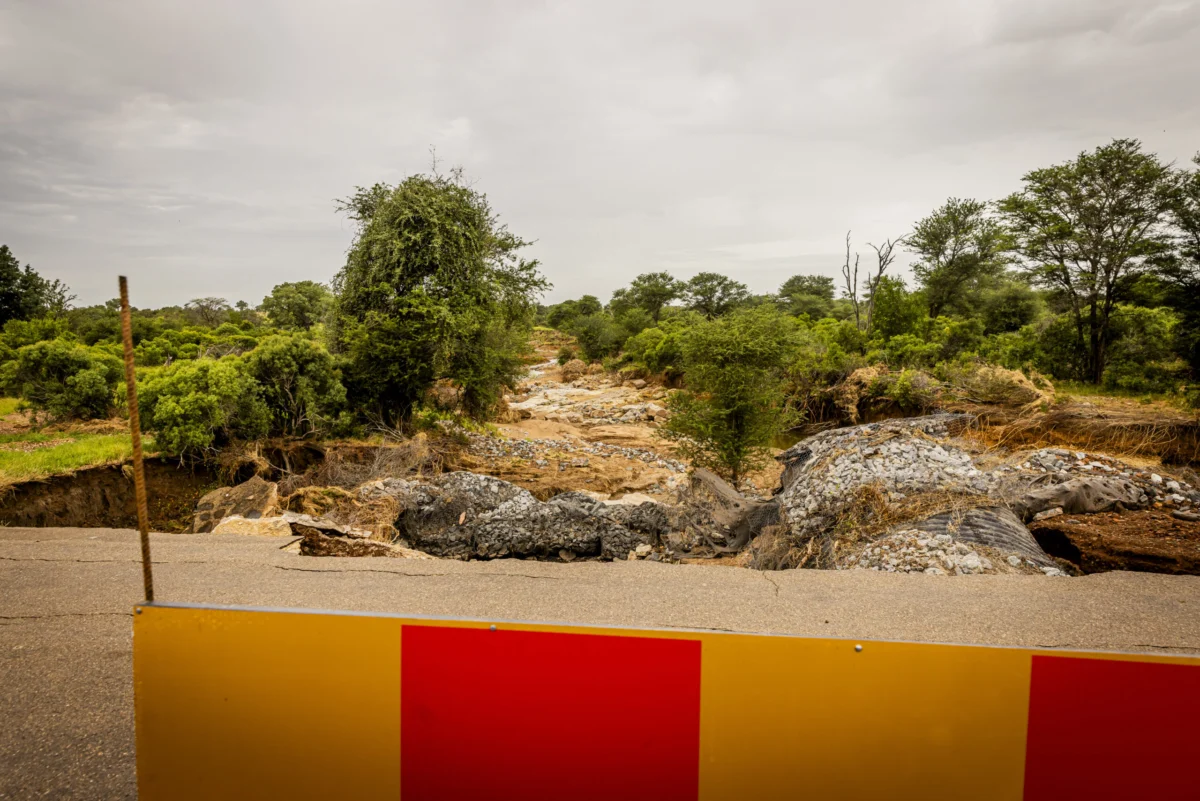
The vast wildlife reserve, which serves as a premier international tourist destination and provides a critical sanctuary for vulnerable and critically endangered species such as the black rhinoceros, suffered major structural devastation to its extensive network of roads, vital bridges, and tourist accommodation following torrential rains that battered the region earlier this year in January.
The extensive scope of the destruction has left park authorities grappling with a massive financial burden. Repairs to restore the park to its full operational and structural integrity will cost an estimated 950 million rand, which translates to approximately $57 million, according to Forestry, Fisheries and the Environment Minister David Maynier. The minister detailed the staggering financial requirements during a formal site visit to the reserve in August, highlighting the immense challenges facing the state-backed entities responsible for the park’s upkeep.
The South African National Parks, the state entity that is officially tasked with managing the expansive reserve, has mobilized a variety of financial resources to combat the crisis, though a considerable deficit remains. SANParks has independently set aside 100 million rand from its own operational allocations, while the national government has stepped in with a supplementary injection of 218 million rand. Additionally, the park secured a 150 million rand insurance settlement to help offset the massive recovery costs. Despite these combined financial efforts, a daunting funding gap of 481 million rand remains unaddressed, leaving park authorities searching for additional fiscal solutions, as Minister Maynier explained in response to a parliamentary question regarding the disaster recovery status.
Progress on the ground is moving forward incrementally as funds become available. To date, approximately 87 million rand has been directly spent on urgent stabilization and repair works across the flood-ravaged zones of the park. Furthermore, official budgets for another 188 million rand’s worth of high-priority restoration projects have been formally approved and are slated for implementation, even as administrators continue to lobby for the remaining capital needed to complete the full overhaul of the park’s infrastructure.
The infrastructural damage and subsequent access restrictions have inevitably taken a heavy toll on the park’s vital tourism economy, which serves as a primary economic engine for regional conservation efforts and local communities. Visitor numbers reached a robust 1.87 million in the 12 months through March 2025, according to the annual report published by SANParks, demonstrating the enduring global appeal of the reserve. However, the short-term disruptions caused by the January weather event have created immediate contractions in tourism metrics. For instance, approximately 90,000 guests visited the park in February of this year, representing a notable decline of 7,000 visitors compared with the same month in the previous year, directly reflecting the logistical hurdles and reduced accommodation capacities brought on by the devastating floods.
| Source | : | Finance Poetry |
| Author | : | rifanmuazin |
| Editor | : | Finance Poetry Editorial Team |