
Trump Warns the US May Have to "Destroy" the Rest of Iran, Signaling Major Escalation
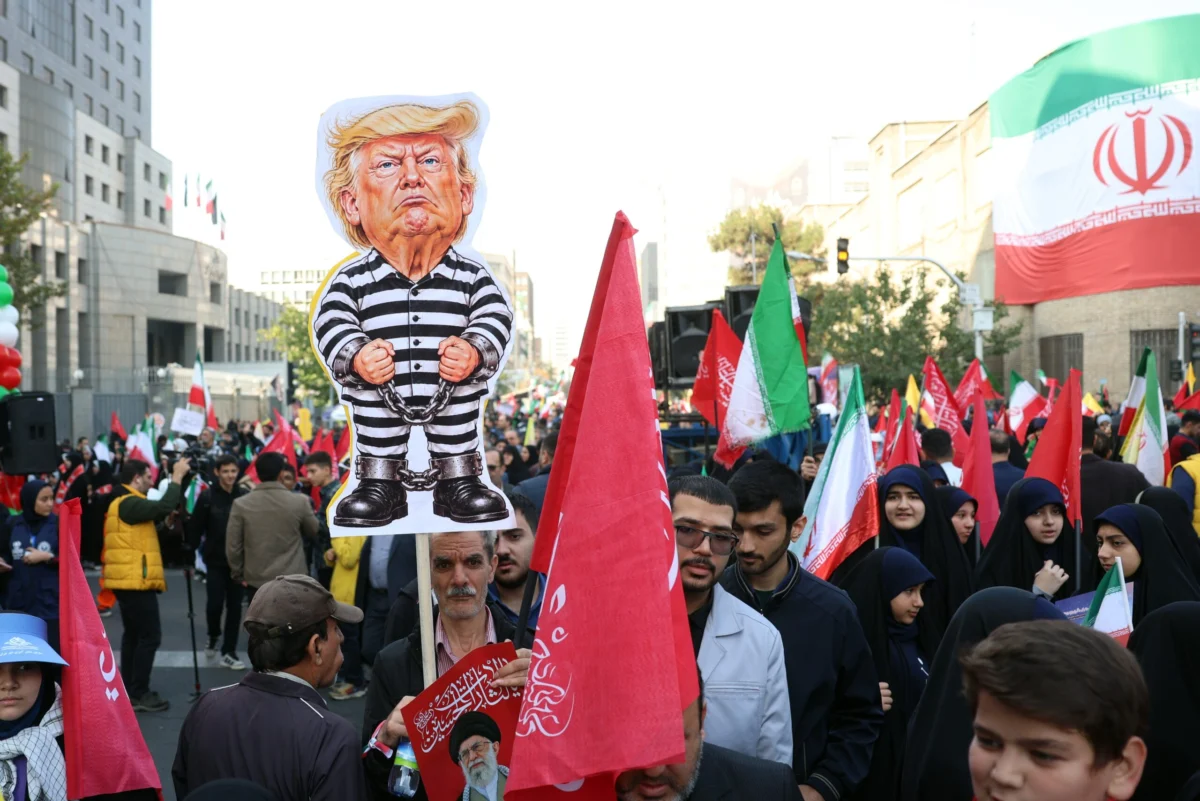
In a stark and aggressive warning, US President Donald Trump has stated that the United States may ultimately have to "destroy" the remainder of Iran, adding in an ambiguous threat that the public and the international community will know the full scope of Washington’s plans "soon enough." The remarks mark a dramatic escalation in rhetoric amid long-standing geopolitical tensions between Washington and Tehran, coming at a time of heightened friction symbolized by recent anniversary demonstrations in the Iranian capital.
The comments underscore an ongoing, volatile phase in US-Iran relations, reverberating across global diplomatic channels. While specific military actions or imminent operational decisions have not been formally detailed by the administration, Trump’s latest statements point to a potential hardening of American policy toward the Islamic Republic. Observers and foreign policy analysts are closely parsing the remarks for clues regarding future strategic postures, economic sanctions, or direct military contingencies as the situation continues to develop.
The tension between the two nations is deeply rooted in decades of historical animosity, a reality vividly displayed during recent events in Tehran. Demonstrators gathered outside the sprawling compound of the former United States Embassy in the Iranian capital to mark the 47th anniversary of the historic 1979 embassy takeover. During the anti-US rally, participants held various protest items, including a cartoon placard depicting President Trump, reflecting the enduring hostility that defines the bilateral relationship on the ground.
The historical context of the rally traces back to November 4, 1979, when a group of Iranian student activists occupied the US diplomatic mission. The takeover was triggered by Washington’s decision to grant permission to Iran’s deposed ruler, the late Shah Mohammad Reza Pahlavi, to enter the United States for medical treatment following the Islamic Revolution. In the crisis that ensued, more than 50 American diplomats and security guards were held hostage within the compound for 444 days, creating a deep-seated diplomatic rupture that has defined American foreign policy in the Middle East for generations.
Nearly half a century later, the legacy of the embassy takeover continues to cast a long shadow over contemporary geopolitics. The annual demonstrations serve as a barometer of official and popular sentiment in Iran, where state-sanctioned rallies frequently feature fiery anti-American rhetoric, flag-burnings, and displays directed against current US leadership. The inclusion of imagery targeting President Trump during the 47th-anniversary commemoration highlights how modern political figures remain central focal points in the enduring ideological conflict between the two governments.
President Trump’s warning about potentially "destroying" what remains of Iran responds directly to this persistent cycle of defiance and confrontation. Over successive administrations, Washington has utilized a combination of sweeping economic sanctions, diplomatic isolation, and military deterrence to counter Tehran’s regional influence, particularly regarding its nuclear program and support for regional proxy networks. However, language concerning the total destruction of the country represents a notably severe escalation in public rhetoric, prompting immediate concern among international observers who fear potential miscalculations could spark broader regional conflict.
Diplomatic analysts note that such high-stakes declarations complicate efforts by international intermediaries to de-escalate tensions in the Middle East. With multiple flashpoints already active across the region—ranging from maritime security in the Persian Gulf to ongoing proxy conflicts—any shift toward a more aggressive US posture carries substantial strategic ramifications. European and Middle Eastern allies are reportedly monitoring the situation with heightened vigilance, seeking clarity on whether the administration’s rhetoric signals a shift toward pre-emptive military action or remains a component of a maximum-pressure negotiation strategy.
Meanwhile, inside Iran, state media and political leaders have frequently used hostile statements from Washington to reinforce domestic solidarity and justify the government’s hardline security policies. The convergence of public anti-US rallies, historical grievances tied to the 1979 hostage crisis, and contemporary threats from the White House creates a volatile domestic environment in Iran, where economic pressures stemming from international sanctions intersect with fierce nationalistic pride.
As the situation evolves, the international community awaits further clarification from Washington regarding what the timeline and substance of Trump’s "soon enough" prediction might entail. Whether these remarks foreshadow tangible policy shifts or serve as rhetorical warnings designed to deter Iranian actions, the core dynamic between the United States and Iran remains defined by deep mistrust, historical grievances, and the constant threat of further escalation.
| Source | : | Finance Poetry |
| Author | : | rifanmuazin |
| Editor | : | Finance Poetry Editorial Team |