
Turning a Passion for Pooches into Profit: What You Need to Know About Starting a Dog Walking Business
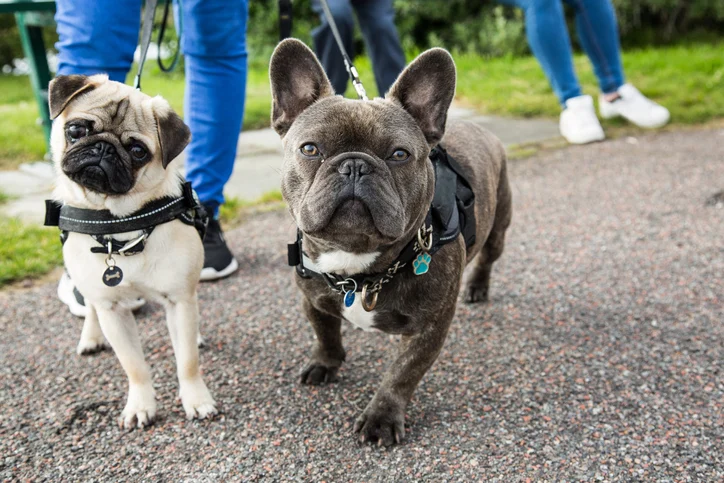
The appeal of launching a dog walking venture is easy to understand. It offers fresh air, an abundance of playful canine companions, and the chance to build a thriving community network with fellow pet owners across local neighborhoods. For entrepreneurs eager to blend a genuine love for animals with flexible self-employment, stepping into the pet care industry presents a compelling opportunity, though it demands careful planning, financial foresight, and a clear understanding of legal and regulatory requirements.
Why Should I Start a Dog Walking Business?
For those with an affinity for dogs, few enterprises offer the immediate gratification of spending the workday surrounded by eager pups while simultaneously establishing deep roots within the local community. The market demand is substantial. With more than 10.2 million pet dogs registered across the United Kingdom, there is certainly no shortage of potential canine clients. This demand is further amplified by studies, such as survey findings from the Ordnance Survey indicating that approximately five percent of dog owners never walk their pets at all. By conservative estimates, this translates to at least 675,000 pooches nationwide in desperate need of regular exercise and outdoor stimulation.
Beyond the undeniable joy of animal companionship, the profession serves as an effective avenue for personal fitness. Standard walks typically span sixty minutes, and managing three or four excursions daily translates to significant cardiovascular exercise and a robust daily workout. Furthermore, the inherent flexibility of setting one’s own hours makes dog walking an accessible career choice for individuals balancing part-time employment, academic studies, or family caregiving responsibilities. Engaging in fulfilling daily labor can also foster a profound sense of personal purpose and professional autonomy.
Despite these clear advantages, prospective business owners must also weigh potential drawbacks. While the schedule offers flexibility, operators must ultimately coordinate around their clients’ personal and professional timetables. This frequently translates to early morning starts and late evening bookings to accommodate owners before and after their traditional work hours. Additionally, the physical demands of the role require a baseline level of physical fitness from the outset. Depending on the volume and duration of daily walks, the physical exertion can prove significantly more demanding than anticipated.
How Much Can I Earn with a Dog Walking Business?
Financial considerations naturally form a cornerstone of any new enterprise. According to labor market data from Indeed, the average salary for a professional dog walker in the UK sits at £27,549. When establishing pricing structures for individual walks, entrepreneurs are advised to research prevailing local rates. While charges might reach £25 per walk in affluent districts, a more typical rate in standard towns and cities ranges between £5 and £20, with Indeed reporting a broader national average income of approximately £14.68 per hour.
New business owners must carefully calibrate their pricing strategies. Positioning oneself as the absolute cheapest option in the local market is rarely an effective long-term tactic. While prospective clients naturally seek value for money, unrealistically low rates can inadvertently signal a lack of professional confidence, experience, or service quality. Striking the right balance requires assessing local competition, evaluating one’s own qualifications, and communicating clear value to pet owners who view their animals as cherished family members.
What Do I Need?
Establishing a legitimate enterprise begins with essential administrative steps, including registering the business with HM Revenue and Customs. Developing a strong brand identity, complete with a memorable business name and distinct logo, should happen early in the preparation phase. While formal qualifications are not legally mandated to operate as a dog walker, completing professional training courses can significantly bolster client confidence and justify higher service rates.
In England, training organizations such as City and Guilds offer recognized vocational courses in animal care. While direct equivalents may not exist in Scotland and Wales, professional bodies like the National Association of Pet Sitters and Dog Owners provide specialized training programs. Securing membership within such reputable organizations can substantially enhance a fledgling business’s market credibility. Additional preparation, such as obtaining a formal certificate in animal first aid and pursuing in-depth studies in canine behavior, can make daily operations significantly smoother and safer.

To reassure clients regarding trustworthiness and background reliability, obtaining a Disclosure and Barring Service check is widely recommended. Certain professional associations incorporate these background checks directly into their membership packages, and conducting similar checks for future employees is a prudent standard practice.
Logistical requirements depend heavily on geographic location and operational scale. A reliable vehicle is often necessary to reach client residences and suitable walking parks. For those planning to walk multiple dogs simultaneously, a specialized van equipped with secure, docked crates is essential for safe transport. Conversely, operators managing single dogs or small pairs can often utilize a standard passenger car, provided appropriate safety measures such as seat belt tethers are employed, keeping animals securely out of the front passenger seat to ensure the safety of both driver and pet.
Practical experience with animals remains indispensable. Individuals seeking to build confidence and establish a local reputation often begin by offering pro bono walking services to neighbors, a strategy that frequently lays the foundational groundwork for a future commercial client base.
What Kind of Services Should I Offer?
Defining clear terms of service is vital before taking on clients. Business owners must determine which dog breeds they are physically and mentally equipped to handle, establish standard walk durations, and set transparent pricing models. Many operators choose to supplement their core income by offering complementary services such as daytime pet sitting or overnight boarding. However, entrepreneurs should note that operating a formal dog boarding establishment requires a specific license issued by the local municipal council.
Differentiation is key in competitive markets. If a region already boasts numerous established dog walkers, entrepreneurs might carve out a unique niche by introducing specialized services like canine running programs or structured obedience training. Alternatively, businesses can specialize by breed, catering specifically to larger, high-energy dogs that require rigorous physical exertion. Paying close attention to common complaints regarding existing local competitors—such as chronic lateness or inconsistent communication—can also guide how a new business positions itself, placing heavy emphasis on absolute punctuality and reliability.
Legal compliance remains paramount when shaping service offerings. Operators must closely monitor local council guidelines regarding the maximum number of dogs permitted on walks in public spaces. For instance, municipal authorities such as Lambeth Council in London enforce professional dog walking licensing schemes. These permits protect both commercial walkers and general park users, regulating commercial activity in public green spaces with fees scaled according to the number of dogs walked, up to a maximum limit of six per handler.
Business owners must also remain vigilant regarding seasonal and regional restrictions, such as summer dog walking bans enforced on specific beaches across regions like Essex, Devon, and Lincolnshire. Compliance with nationwide legislation is mandatory, covering legal responsibilities such as clearing up dog waste, keeping animals on leads where required, and preventing dogs from disturbing livestock.
When drafting client contracts, utilizing the services of a qualified solicitor can prevent costly disputes down the line, despite the initial financial outlay. Additionally, operators must remain strictly compliant with data protection laws regarding client information and maintain meticulous administrative records tracking walked dogs, scheduling, and financial transactions.
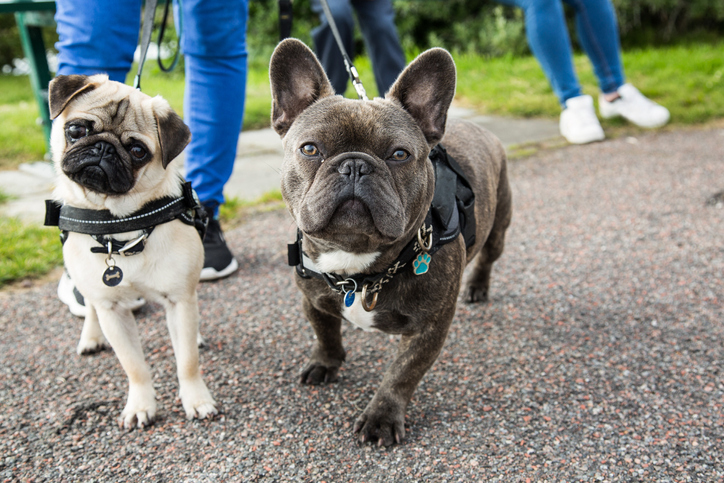
What Insurance Do I Need for My Dog Walking Business?
Securing comprehensive insurance coverage is non-negotiable for anyone operating within the pet care sector. Public liability insurance is a fundamental requirement, but business owners should carefully evaluate a broader suite of specialized coverage options.
Care, custody, and control insurance provides vital financial protection by covering veterinary bills if an animal is injured or perishes while under the walker’s direct supervision, though policies typically exclude pre-existing conditions and specific canine disabilities. Employers’ liability insurance is legally required for any business employing staff, covering claims if a worker falls ill or sustains an injury due to their employment.
Additional specialized products include equipment cover for items like leads, harnesses, and muzzles; loss of keys cover for misplaced client access tokens; and non-negligent cover, which protects the operator if an animal is injured in an incident deemed not to be the walker’s fault. While specialist dog walking policies often bundle these protections together, commercial combined insurance packages can sometimes offer broader business interruption coverage, subject to specific eligibility rules. Premiums vary widely based on operational scale and coverage levels, with basic policies starting at modest monthly rates.
Marketing Your Dog Walking Business
A professional online presence is indispensable for modern service businesses. A dedicated website should prominently feature service details, pricing structures, and clear contact information. Incorporating a blog can significantly enhance search engine visibility while providing dog owners with valuable educational content concerning pet care and walking best practices.
Active engagement across social media platforms is equally crucial for building and sustaining a local audience. Developing a balanced content strategy prevents audience fatigue by alternating promotional posts with informative articles. Platforms like Facebook are particularly effective for generating local leads through community groups, while establishing an official business page enables client reviews and fosters a sense of local community. Visual platforms such as Instagram and TikTok offer additional avenues for showcasing video content and expanding brand awareness.
Establishing a Google Business Profile ensures that the enterprise appears prominently across essential search and mapping tools, making it easy for nearby customers to find services. Offline marketing methods should not be overlooked. Traditional tactics, such as distributing informative flyers through residential letterheads or handing business cards to potential clients encountered during daily outings, remain effective grassroots strategies for building local brand recognition.
| Source | : | Finance Poetry |
| Author | : | rifanmuazin |
| Editor | : | Finance Poetry Editorial Team |