
US Senate Passes Sweeping Permitting Reform Bill to Expedite Energy Infrastructure and Limit Legal Challenges
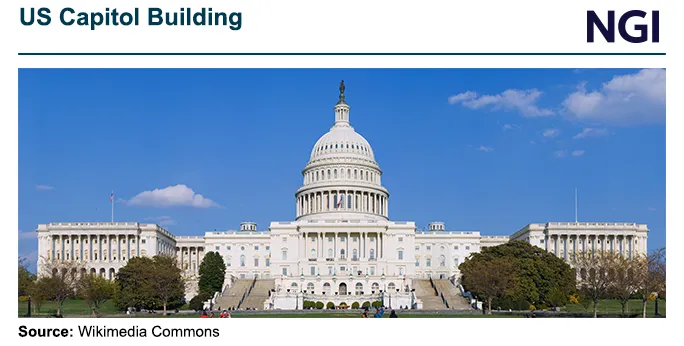
WASHINGTON — In a decisive bipartisan vote on Thursday, the US Senate passed a sweeping permitting reform bill designed to accelerate the environmental review process for critical energy infrastructure projects while establishing significant limitations on the ability of courts to challenge project approvals. The legislation cleared the chamber by a comfortable 62-33 margin, signaling a rare moment of broad legislative consensus on Capitol Hill regarding the future of domestic energy development, regulatory oversight, and infrastructural modernization.
The newly passed measure directly targets several of the most persistent bottlenecks in the American energy sector, where major infrastructure projects—ranging from natural gas pipelines and export facilities to electric transmission lines and renewable energy installations—have historically faced years of regulatory delays. By streamlining federal permitting frameworks and tightening judicial review standards, the bill aims to provide greater regulatory certainty for developers, investors, and policymakers striving to meet growing energy demands while navigating national environmental standards.
The vote follows years of intense debate among lawmakers, industry stakeholders, and environmental advocacy groups over how to balance the urgent need for expanded energy infrastructure with rigorous environmental protection and community consultation. Proponents of the legislation have long argued that the existing federal review process is overly cumbersome, subject to endless bureaucratic delays, and vulnerable to targeted litigation that can stall or entirely derail projects of vital national importance. With Thursday’s action, the Senate has advanced a legislative framework intended to modernise these processes and establish clearer statutory timelines for federal agencies tasked with overseeing energy development.
At a Glance:
The core provisions of the legislation focus heavily on reforming the National Environmental Policy Act and related statutes governing energy infrastructure. Specifically, the bill establishes strict deadlines for federal agencies to complete environmental impact statements and environmental assessments, reducing the window for protracted bureaucratic deliberations. Furthermore, the legislation incorporates provisions designed to limit the scope of judicial challenges, making it more difficult for opponents to use prolonged litigation as a mechanism to block or indefinitely postpone approved infrastructure projects.
By constraining the ability of courts to overturn permits on procedural grounds and setting shorter statutes of limitations for filing legal challenges, the bill seeks to insulate energy investments from protracted courtroom battles. Supporters maintain that these reforms are essential for attracting the capital necessary to upgrade the nation’s aging energy grid, expand natural gas transport capabilities, and integrate new energy sources into the broader domestic supply chain.
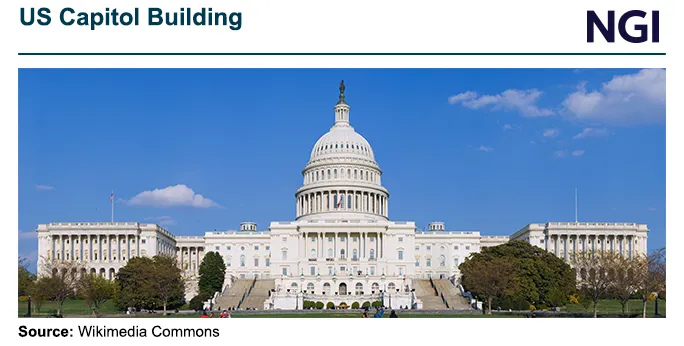
The debate over permitting reform has occupied a central position in Washington policy circles for several legislative sessions. Industry representatives, labor unions, and a coalition of bipartisan lawmakers have consistently argued that current permitting procedures are incompatible with modern economic and geopolitical realities. They point out that developing domestic energy resources, securing reliable supply chains, and achieving long-term energy security require a regulatory environment capable of acting with greater efficiency and predictability.
Conversely, the legislation has drawn scrutiny from critics who express deep concern over potential rollbacks of environmental safeguards and the curtailment of public participation in the review process. Opponents argue that limiting judicial oversight deprives local communities, landowners, and conservation organizations of a vital check against potentially harmful or poorly vetted projects. These critics contend that robust judicial review is a fundamental component of administrative law, ensuring that federal agencies thoroughly evaluate environmental risks, public health impacts, and climate considerations before granting final project approvals.
Despite these contentious debates, the 62-33 vote demonstrates that the legislative package successfully bridged key partisan divides, securing crucial support from members of both political parties who recognize the economic and strategic imperative of infrastructure modernization. The strong bipartisan tally reflects a growing consensus that the status quo of energy permitting is unsustainable, particularly as the United States navigates shifting global energy markets and domestic industrial expansion.
The legislation now heads to the next phase of the legislative process, where lawmakers will work to reconcile differences or advance the measure toward final enactment. As federal agencies and energy stakeholders monitor the progress of the bill, its potential implementation stands to reshape the legal and regulatory landscape for energy infrastructure development across the United States for years to come.
Reporting by Andrew Baker, with coverage focusing on North American energy markets, regulatory affairs, and infrastructure development.
| Source | : | Finance Poetry |
| Author | : | rifanmuazin |
| Editor | : | Finance Poetry Editorial Team |