
Veterans and Major Corporate Partnerships Offer Hope Amid a Severe Skilled Labor Shortage in Housing Construction
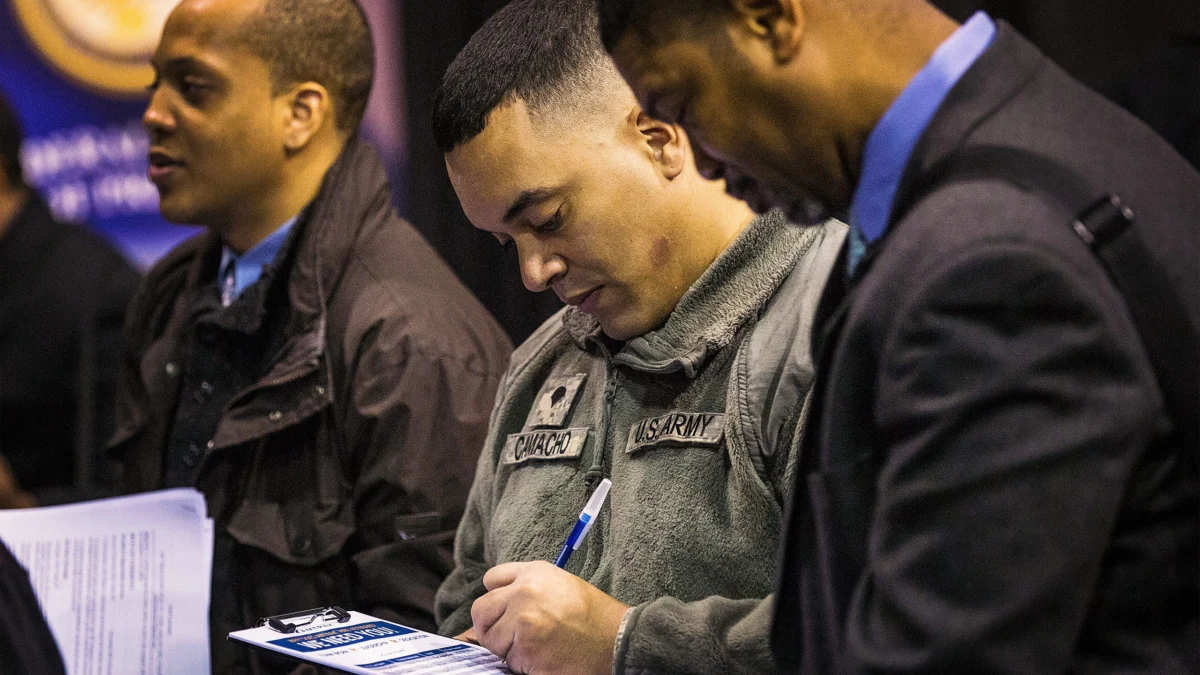
A severe shortage of skilled workers entering the residential construction sector continues to exert heavy upward pressure on housing costs and affordability across the United States. However, the Home Builders Institute (HBI) believes that the nation’s large and capable veteran population could serve as a vital part of the solution to this ongoing crisis.
The skilled labor deficit has severely impacted development timelines, leading to an increase in construction duration where each residential home now takes nearly two months longer to build, according to a comprehensive study released by the HBI. Because of these persistent delays, the housing market experienced a net reduction of approximately 19,000 homes built over the course of 2024 alone, representing a staggering economic loss of more than $8 billion nationwide.
The scale of the hiring challenge facing the building sector remains immense. The Associated Builders and Contractors (ABC) has estimated that the construction industry must aggressively attract roughly 349,000 net new workers in 2026, followed by an even greater demand for 456,000 new workers in 2027, simply to meet the baseline demand for modern construction and infrastructure services.
According to HBI Chief Executive Officer Ed Brady, a confluence of macroeconomic factors over the past thirty years has directly caused this widening labor shortage. Initially, a strong societal and educational push toward four-year academic degrees guided generations of young people away from the vocational trades and toward office-oriented careers. As older generations of tradespeople began retiring faster than new apprentices could enter the workforce, a critical labor gap began to form.
This vulnerability was severely compounded during the global financial crisis of 2008. During the housing market crash, the residential construction field lost a massive volume of skilled workers simply because the pipeline of active building projects dried up. Without steady housing construction work to sustain them, many experienced laborers left the industry entirely to seek employment in manufacturing and hospitality sectors, or they chose to take early retirement, as Brady notes.
More recently, rocky and unpredictable immigration policies have further challenged the stability of the skilled labor workforce, adding another layer of complexity for residential homebuilders striving to keep pace with demand.
As finding an effective and sustainable solution to the labor shortage became increasingly dire, leadership at the HBI recognized that the veteran and transitioning military service member population represented a major, untapped market of skilled, disciplined individuals. This realization ultimately drove the creation and expansion of the HBI Military Services Program, an initiative specifically designed to train veterans, active-duty service members preparing for civilian life, and their military dependents in high-demand skilled trades.
Building upon this mission, HBI and Invitation Homes recently announced a major new partnership aimed at creating sustainable career opportunities for transitioning military service members, veterans, and their families.
The strategic collaboration includes an unspecified financial investment from Invitation Homes into HBI’s established Military Services Program. Furthermore, the partnership directly opens doors for former military service members who successfully complete the rigorous HBI training curriculum to access premier job opportunities with the leading property leasing and management company.
For nearly a decade, HBI has actively worked to raise awareness regarding the long-term professional and financial benefits of pursuing a career in a skilled trade among former military personnel. The organization has consistently trained, certified, and assisted veterans and their families in navigating the civilian job market to find stable, high-paying careers.
From its early stages, HBI’s Military Services Program has received vital support from prominent corporate partners, including major industry pillars like The Home Depot Foundation and DEWALT. The program also recently received a substantial $1 million philanthropic gift from Google.org to expand its reach amid the ongoing national data center and housing construction booms. Now, with Invitation Homes joining the cause, the initiative gains even greater momentum.
According to Brady, these crucial investments directly empower HBI to scale its operations and reach significantly more service members on their professional missions.
"It provides scale. We’re not changing our model—we feel like our model works. We introduce them to the industry, we train them in the industry, we certify them, we connect them to the industry to get a job," Brady tells Realtor.com®.
"কিন্তু Invitation Homes-এর অর্থ, Google আমাদের যে ডলার দিয়েছে তা ভেটারান স্পেসে প্রয়োগ করার জন্য আমাদের আরও স্কেল দেয়। আমরা আরও ভাল পরিষেবা প্রদান করতে পারি এবং আরও বেশি ভেটারান, আরও বেশি ট্রানজিশনিং মিলিটারি, এমনকি ভেটারানদের জীবনসঙ্গীদের সেবা দেওয়ার জন্য আমাদের প্রোগ্রামগুলি বাড়াতে পারি।"
Expanding specialized training programs tailored for former military personnel could ultimately make a transformative difference in alleviating the severe skilled labor shortage currently confronting the residential construction industry.
"In many cases, the demographic of soldiers that want to be outside, want to work with their hands, and have that physicality, it’s natural for them to look at our industry," Brady explains. "They’ve got more discipline, they know how to create a task and how to do a job. They have a desire to be productive and build a career."
Brady has also observed that a large number of veterans possess a strong drive to control their own destiny once they transition out of active military service. This innate desire to avoid corporate dependency makes them exceptional candidates for entrepreneurship, small business ownership, and independent contracting roles within the building trades.
A Veteran’s Point of View
For Philip Shealy, the HBI program provided a clear and welcoming professional path at a time when his future civilian steps felt uncertain.
After spending five years serving as an active-duty Army infantryman stationed at Fort Drum in New York and Fort Stewart in Georgia, Shealy recalls having no concrete idea of what career path he wanted to pursue next. Looking for options, he decided to take advantage of the Department of Defense SkillBridge program to acquire practical skills before officially departing military service.
"I saw the HBI program and thought, even if I don’t go into the skilled trades like that, that will be information I hold for the rest of my life. It’ll be great for owning a home or just knowing a thing here or there," Shealy tells Realtor.com.
"But the program does a pretty cool thing where they bring in recruiters from local companies. And they brought one in that sounded like something I wanted to do. So I applied with him and ended up getting the job."
Today, Shealy is gainfully employed by Ace Electric, a prominent electrical contracting firm operating in southern Georgia, working directly alongside several fellow veterans who completed the exact same HBI training program.
The intensive three-month vocational program was conducted directly on site at Fort Stewart. Program participants learned all the fundamental concepts and practical techniques required to enter a sustainable career in carpentry or electrical work, even constructing small houses right on the military base as a hands-on component of their daily training.
Shealy fondly recalls that one of the primary instructors was a veteran himself, which allowed for highly effective communication by bridging military terminology and core concepts with professional trade terminology.
Many foundational skills heavily emphasized by the military—such as rigorous leadership, accountability, and the ability to accept instruction and constructive criticism gracefully—transferred smoothly over to his daily career in a skilled trade.
Shealy strongly shares HBI’s perspective that vocational trade jobs and military service naturally attract the same fundamental type of person, making the trades a logical and rewarding next step for individuals leaving the armed forces.
"People that like to work with their hands, many of which are going to be hard workers and aren’t going to stop until the job gets done and done well—I think a lot of it transfers well over," Shealy notes.
For service members currently considering their next steps in life, he advises giving both the SkillBridge and HBI programs a serious chance, noting that individuals might just discover an unexpected and fulfilling path forward.
"When we’re getting out, it can be a very scary thing, not knowing where you’re going to end up," Shealy says. "From my personal experience going through HBI programming, I had no clue what I wanted to do, and then I ended up finding something I’ll enjoy doing for a long time."
Concluding on the broader outlook of the profession, Brady emphasizes the exceptional long-term stability and longevity inherent to a career in the skilled building trades.
"이것은 단순한 직업이 아니라 경력 경로입니다. 숙련된 직업에 입문하는 것은 경력 내내 모자를 걸어둘 수 있는 일입니다," Brady가 말합니다. "그리고 그것은 기술이나 AI에 의해 약화될 직업이 아닙니다. 확실히 혁신이 그것을 더 효율적으로 만들겠지만, 지붕 시공자를 없애지는 못할 것입니다. 배관공을 없애지는 못할 것입니다."
| Source | : | Finance Poetry |
| Author | : | rifanmuazin |
| Editor | : | Finance Poetry Editorial Team |