
Y Combinator CEO Garry Tan Drops Up to $200,000 a Year on AI Tokens to Power His Ultra-Personalized Agent Setup
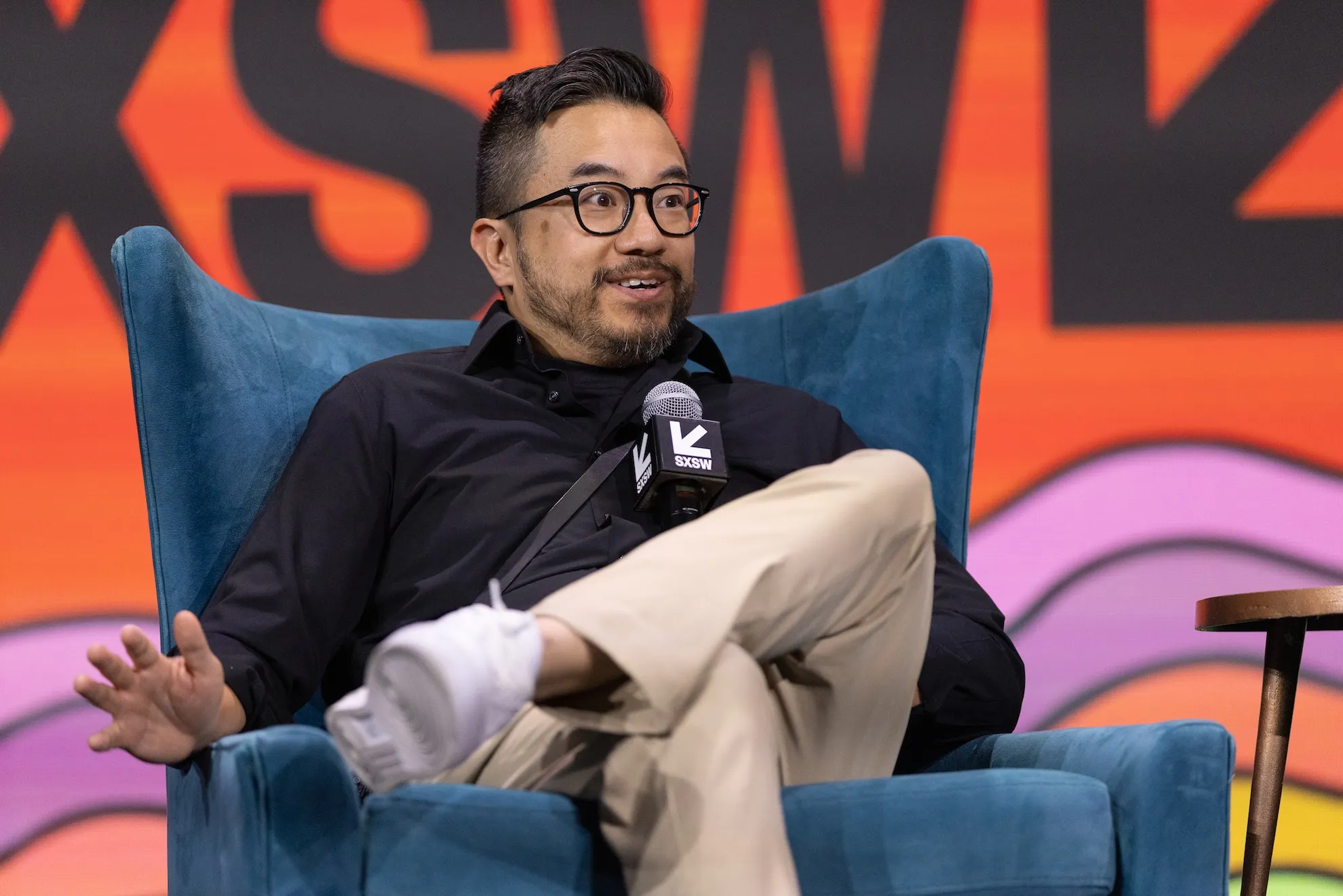
Y Combinator CEO Garry Tan has frequently joked about suffering from "cyber psychosis," occasionally running on minimal sleep because he finds himself overwhelmingly excited to work alongside his rapidly evolving artificial intelligence agents. As the head of Silicon Valley’s most famous startup accelerator, Tan’s immersion in cutting-edge technology is hardly a surprise, but during a newly recorded episode of Walter Isaacson’s podcast, The Builders, he quantified that passion with a striking financial figure.
Speaking on the podcast, Tan revealed the sheer scale of his personal investment in the underlying computational resources required to run his daily operations. "I spend about maybe $100[,000] to $200,000 a year on tokens," he told Isaacson. He explained that he utilizes these advanced agents for a countless array of work projects, complex coding tasks, and day-to-day administrative burdens. Eager to share his discoveries with the broader developer community, Tan has also open-sourced his personal configuration of 23 Claude Code skills, known collectively as "gstack," on GitHub. According to Tan, sharing these tools is part of an ongoing effort to help educate others on the practical capabilities and profound potential of autonomous agents.
Tan’s relationship with his AI agents spans a fascinating duality. On one level, he relies on them much like many other knowledge workers in the tech industry: using them to conduct background research, assist with podcast preparation, and simulate potential lines of questioning he might encounter in professional settings. On another level, however, his agents have been granted an extraordinary degree of integration into his personal life, acting as a deeply knowledgeable digital extension of himself.
"It’s read all of my email and all of my Dropbox," Tan told Isaacson. "It’s read, like, all of my Apple Notes, even my therapy notes going back 20 years."
Describing the experience of working with such deeply integrated technology, Tan compared the sensation to having a constant companion. He views the setup as getting assistance with almost anything one might encounter in day-to-day life, executed with a degree of autonomy that fundamentally shifts how tasks are approached. It is akin to having a digital Jiminy Cricket perched on your shoulder at all times—someone, or something, that knows you intimately, understands your preferences, and stands ready to help. Rather than merely waiting for commands, Tan notes that his agents frequently run ahead, anticipating needs by asking proactive questions and helping him see around future corners.
As an early adopter of OpenClaw who has since transitioned into a true power user, Tan has distilled valuable lessons from his hands-on experience. Chief among them is the realization that users must avoid treating modern AI agents like traditional software. He cautions that some individuals become overly preoccupied with strict repeatability and rigid safety parameters, a mindset that causes them to inadvertently sacrifice the organic, highly collaborative qualities that make working with an AI agent so uniquely powerful. When properly utilized, Tan suggests, an agent can interact in ways that feel remarkably similar to working with a human collaborator.
This philosophy is already making its way into the organizational structure of Y Combinator itself. Tan shared that the legendary accelerator is actively deploying internal agents that are fundamentally rebuilding the way the institution operates. Among them is an internal AI agent named Stray Light, which has been imbued with a distinct personality and anchored by a comprehensive company brain. This system maintains the total context of every single startup founder Y Combinator has ever backed, every piece of correspondence ever emailed to the organization, and the complete history of incoming applications.
Naturally, as someone at the epicentre of Silicon Valley, Tan is an ardent champion of technological progress. Yet, he is also pragmatic about the broader economic and societal hurdles that must be cleared before personal AI agents can truly enter the mainstream. The most pressing barrier, in his view, is the sheer cost of operation.
"It’s too expensive right now," he stated, candidly acknowledging that the heavy investment he pours into his personal setup represents a distinct and fortunate privilege that the average person simply cannot afford to replicate at this stage.
At the same time, Tan remains wary of potential alternatives, warning that relying entirely on free, centralized agents controlled by Big Tech may carry its own set of undesirable consequences. Reflecting on the current technological landscape and the ways massive social media platforms like Meta have shaped modern communication and culture, he pointed to the underlying tension of centralized digital control.
"This is a huge company that controls the algorithm, and we all wish that they didn’t at some level," Tan said, pointing toward a more decentralized, empowering vision of the future. "So you could imagine a personal AI that you control, that you program."
| Source | : | Finance Poetry |
| Author | : | rifanmuazin |
| Editor | : | Finance Poetry Editorial Team |