
Federal Reserve Set to Hold Interest Rates Steady as Midterm Elections and Inflation Pressures Loom
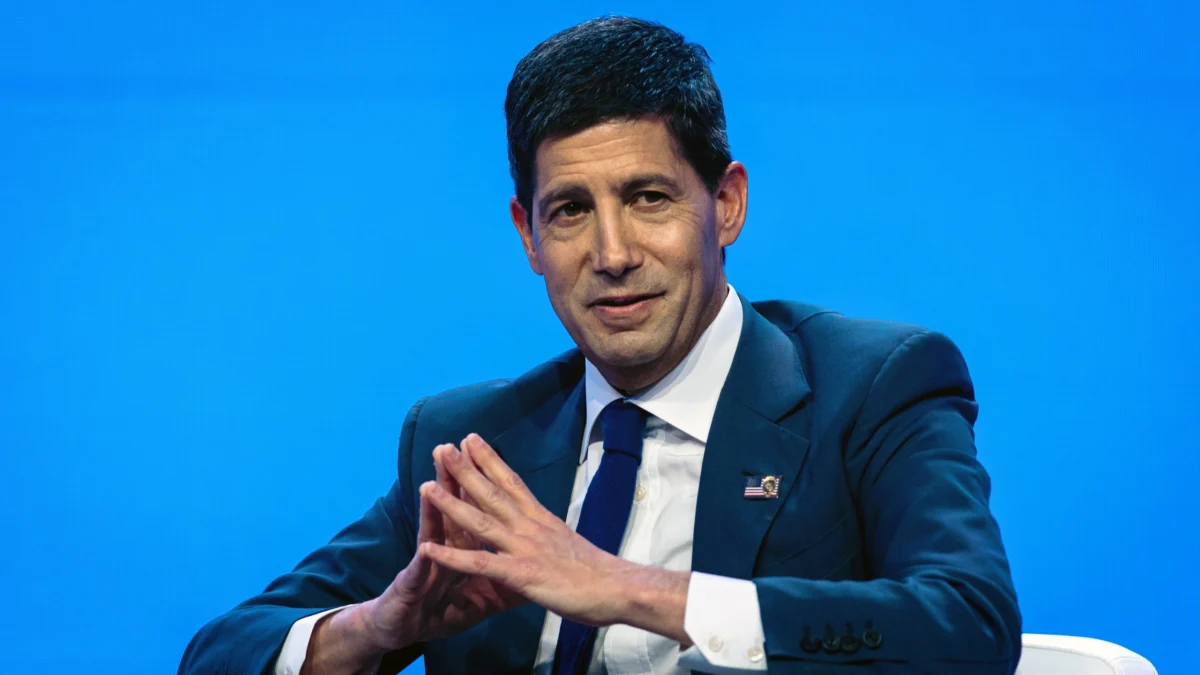
Federal Reserve policymakers are set to convene on Tuesday for the start of a crucial two-day meeting to determine the trajectory of the nation’s interest rate policy. Following a notable rate hike last month, the central bank is now widely expected to pause and hold off on any further monetary adjustments during this session.
The rate policy decisions will be finalized and voted upon on Wednesday by Federal Reserve Chairman Kevin Warsh and the other members of the Federal Open Market Committee. According to current data from the CME FedWatch tool, financial markets are pricing in an estimated 90% probability that policymakers will choose to leave the benchmark federal funds rate unchanged in its current target range of 3.74% to 4.00%.
This expected pause follows a significant move in September, when the Federal Reserve raised overnight interest rates for the first time in three years. That policy shift was deployed as a direct response to persistent and pernicious inflation pressures that continued to threaten broader price stability. Despite the anticipated pause this week, most economic experts and market forecasters still anticipate another rate hike arriving in December, alongside at least one additional increase penciled in for next year.
However, the political calendar has introduced an immediate layer of caution to the central bank’s deliberations. With the midterm elections now just one week away, many analysts believe that the Federal Reserve is likely to stand pat on Wednesday, partly to avoid the appearance or risk of injecting monetary policy decisions directly into heated midterm political debates.
President Donald Trump has persistently and publicly called on the Federal Reserve to dramatically slash interest rates, arguing that such a move would heavily supercharge the economy and reduce the cost of government borrowing. Even so, Trump has maintained a stance of public support for Kevin Warsh, his handpicked choice to succeed former Fed Chair Jerome Powell. This political backing has held firm even after Warsh joined last month’s unanimous committee vote to hike interest rates.
By both law and historical tradition, the Federal Reserve is deliberately structured to operate independently from political influence. Because of this mandate, Fed policymakers often prefer to keep an intentionally low profile, particularly when their meetings fall so close to a major national election cycle.
Historical economic data demonstrates that keeping interest rates artificially low for short-term political purposes can foster runaway inflation and trigger capital flight. Such outcomes wreak havoc on the broader national economy and ultimately drive borrowing costs even higher over the long term.
Instead, the central bank is structurally mandated to set interest rates based on a dual mandate of maintaining price stability and achieving maximum employment. Under this framework, policymakers utilize higher interest rates to fight inflation and lower rates to stimulate the job market when necessary. Even with these clear operational guidelines, policymakers frequently experience honest disagreements regarding precisely what interest rate level is ideal for the health of the economy.
While the Federal Reserve manages the benchmark federal funds rate, it does not directly set consumer mortgage rates. Instead, mortgage rates fluctuate in response to activity and yields within the broader bond market. Earlier this month, a sudden surge in bond yields pushed mortgage rates up to a three-year high of 7.40%. However, recent market shifts saw mortgage rates pull back to 7.32% as bond prices recovered and rose, according to weekly data published by Freddie Mac.
Jeff Ostrowski, a housing market analyst at Bankrate, notes that the recent gyrations in mortgage rates observed since the last Fed policy meeting underscore the reality that the central bank does not exercise direct control over consumer home loans.
"The Fed raised its benchmark rate a quarter-point, and mortgage rates jumped three-quarters of a point in a month. The lesson? Mortgage rates move with 10-year Treasury yields, not the federal funds rate," Ostrowski explains.
Even so, Federal Reserve policy plays a foundational role in shaping the bond market environment, as institutional investors closely monitor ongoing inflation expectations and evaluate whether the central bank remains willing to crack down aggressively on surging price increases if economic conditions require it.
What homebuyers should watch for at Fed meeting
If the central bank ultimately stands pat on interest rates as the market expects, financial observers will turn their attention to other indicators. The possibility of dissenting votes among committee members, alongside Chairman Warsh’s commentary during his post-meeting press conference, carries the most potential to move bond markets and alter short-term economic sentiment.
Despite these moving parts, prospective homebuyers should not hold out much hope for immediate financial relief in the form of significantly lower mortgage rates. A recent forecasting report issued by economists at the Mortgage Bankers Association projected that national mortgage rates would likely remain above the 7% threshold throughout the duration of 2027.
"Buyers need to adjust their expectations and recognize that higher mortgage rates may be here for the foreseeable future," says Mendel Fellig, a real estate agent with Compass in Miami. "Historically, rates have been significantly higher, and buyers should focus on finding a property they love at a price they can comfortably afford rather than trying to time the market."
Indeed, the brief historical window spanning 2020 and 2021—when national mortgage rates briefly dipped below 3%—marks the only time in modern economic history that mortgage rates have fallen to such historic lows.
Fellig points out that in regional housing markets like South Florida, stubbornly limited inventory has kept many home sellers confident in their original pricing strategies. Meanwhile, elevated borrowing costs have naturally made everyday buyers considerably more cautious, deliberate, and price-sensitive.
"My advice to sellers is to remain flexible," Fellig says. "If a property has been sitting on the market and a serious offer comes in, it’s often better to bridge the pricing gap than hold out for an uncertain next offer. In today’s market, realistic pricing and a willingness to negotiate are essential to getting deals done."
Jesse Ebner, a Colorado real estate broker and owner of Ebner & Associates, highlights that one potential silver lining of the current high-rate environment is a reduction in frantic competition from rival buyers.
"In certain situations, buyers may have more negotiating leverage, greater flexibility on terms, or opportunities to secure seller concessions," she notes.
Ebner is already observing the tangible impacts of elevated interest rates on everyday buyer behavior, changing negotiating dynamics, and the broader pace at which residential real estate transactions move.
"We’re seeing buyers become more deliberate and payment-conscious," she explains. "They may take longer to make decisions, consider a smaller home, expand their geographic search, or become more selective about the features they’re willing to pay for. The monthly payment has become just as important as the purchase price, if not more."
| Source | : | Finance Poetry |
| Author | : | rifanmuazin |
| Editor | : | Finance Poetry Editorial Team |