
UN Closes Political Mission in Somalia After More Than Three Decades of State-Building Efforts
The United Nations has officially shuttered its long-standing political mission in Somalia, bringing a definitive end to more than three decades of international efforts aimed at helping the Horn of Africa nation rebuild from the devastating legacy of civil war.
The United Nations Transitional Assistance Mission in Somalia (UNTMIS) officially ceased operations following the completion of a carefully structured two-year transition period requested by the federal government in Mogadishu. The closure was confirmed in an official statement released by the mission on the social media platform X, marking a historic turning point in the relationship between the global body and the Somali state.
Under a comprehensive roadmap negotiated and agreed upon between the Somali government and the United Nations, UNTMIS’s vast array of responsibilities has been systematically and gradually transferred to domestic Somali institutions, specialized UN agencies, and a dedicated UN support office that coordinates logistical backing for African Union peacekeeping troops.
Reflecting on the milestone, UN Secretary-General António Guterres acknowledged and welcomed the significant political and institutional progress Somalia has achieved over recent years. However, the UN chief simultaneously underscored the fragile nature of the transition, strongly calling for continued and robust international backing as the country navigates a turbulent landscape marked by persistent political, security, and severe humanitarian challenges.
Strained Relations and a Demand for Independence
The closure of UNTMIS does not happen in a vacuum; rather, it follows years of occasionally strained and delicate relations between successive Somali administrations and the United Nations political mission. Over the decades, the heavy involvement of international actors in the country’s domestic political affairs repeatedly triggered sharp domestic criticism, with various factions and officials accusing the UN of unwarranted interference in national sovereignty.
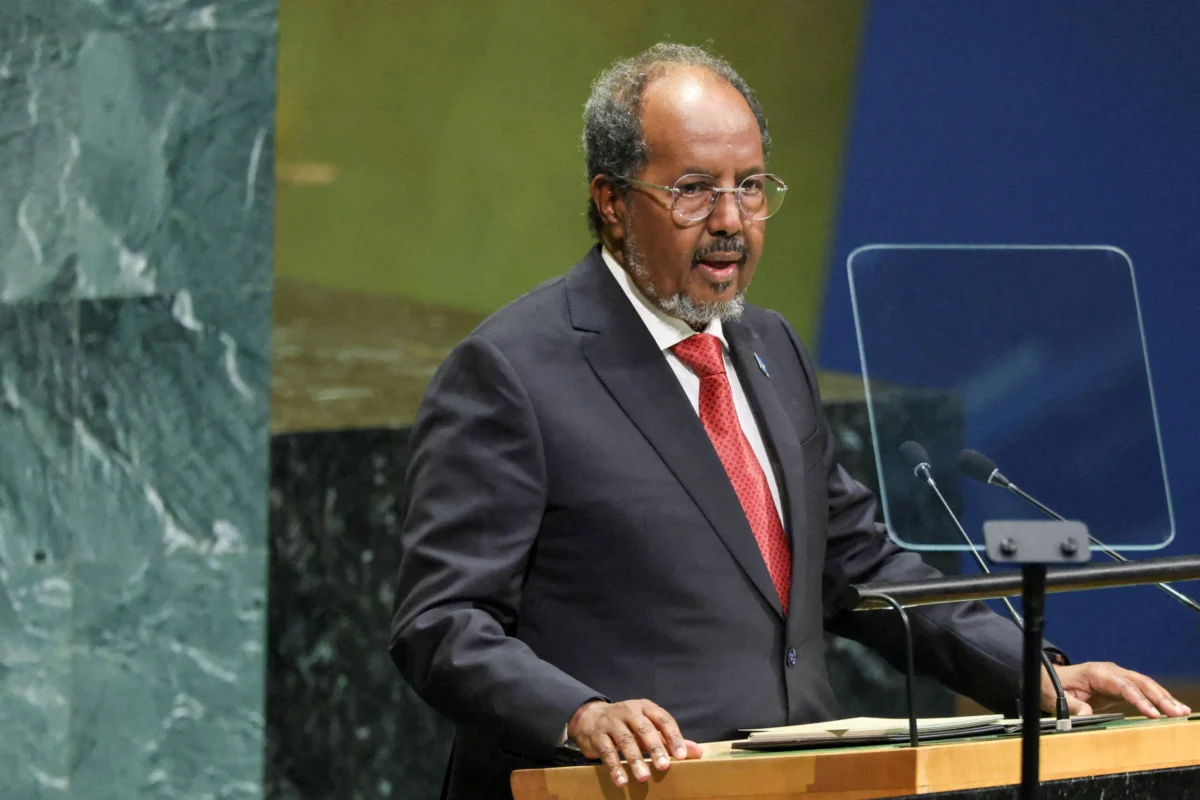
These underlying tensions eventually culminated in a formal diplomatic request from the government of President Hassan Sheikh Mohamud, which officially asked for the complete withdrawal of the political mission in 2024. The administration argued that Somalia had matured sufficiently to manage its own political trajectory without the direct stewardship of an overarching international political office.
The culmination of this transition was celebrated at a high-level farewell ceremony held in the capital city of Mogadishu. Addressing dignitaries and officials at the event, Deputy Prime Minister Saleh Ahmed Jama hailed the closure as a historic "day of victory" for the nation. Jama declared to the audience that Somalia was finally leaving behind the prolonged and cumbersome "era of transition," signaling a newfound era of national self-determination and sovereign governance.
Deepening Political Divisions and Security Concerns
The formal departure of the UN political mission arrives at a precarious juncture, characterized by shrinking international financial support even as Somalia continues to grapple with deep-seated political polarization and relentless internal violence.
The domestic political arena remains deeply divided over fundamental governance issues. Prominent opposition leaders have vocally rejected the federal government’s legal stance and constitutional interpretation, which maintains that recent constitutional amendments allow President Mohamud and the current parliament to extend their time in office and remain in power until 2027. This constitutional dispute has severely poisoned the well of national consensus.
Compounding the domestic political strife, relations between Mogadishu and various regional leaders remain visibly strained. Meanwhile, al-Shabab, a ruthless armed insurgent group with direct ideological links to al-Qaeda, continues to wage a persistent and bloody guerrilla war against government forces and civilian infrastructure across multiple regions of the country.
Historically, the UN political mission played a crucial, indispensable role as an impartial mediator, frequently stepping in to help rival Somali political leaders negotiate and reach delicate election agreements. With UNTMIS now shuttered, no replacement mechanism or international mediation role has been agreed upon to fill this diplomatic void, leaving local political actors to navigate future disputes independently.
President Mohamud has attempted to bridge the widening political chasm by extending open invitations to political opponents for national dialogue and reconciliation talks. However, major opposition groups have thus far remained skeptical, with many yet to confirm their attendance or participation in the proposed summits.
Humanitarian Crisis and Future Security Uncertainties
While the political mission has packed its bags, other vital pillars of the United Nations remain operational on the ground. UN humanitarian and development agencies continue their critical work across Somalia, though their capacity has been severely constrained and hard-hit by sweeping cuts to international aid budgets globally.
The human cost of these funding reductions has been immediate and alarming. In August, the United Nations children’s agency, UNICEF, released figures revealing that no fewer than 205 health and nutrition facilities across the country had been forced to close their doors entirely due to the sudden evaporation of financial support, leaving vulnerable populations—particularly children—increasingly exposed to hunger and disease.
On the security front, African Union peacekeeping troops remain deployed in Somalia to bolster the national security forces in their ongoing existential fight against al-Shabab. However, the operational viability of these multinational peacekeepers depends almost entirely on a separate logistics entity known as UNSOS—a UN support office that provides vital provisions including food, fuel, essential medical care, and military transport.
The future of even this foundational logistical support, however, hangs in the balance. According to reports from the Reuters news agency published in September, this crucial operational backing could be entirely terminated by December 2027. The potential cutoff stems from a US-backed strategic plan aimed at winding down the UN office responsible for delivering these indispensable services, raising fresh anxieties regarding the long-term stability and security of the Somali state as it stands entirely on its own feet.
| Source | : | Finance Poetry |
| Author | : | rifanmuazin |
| Editor | : | Finance Poetry Editorial Team |