
TotalEnergies Reports Double-Digit LNG Sales Growth in Third Quarter Amid Ongoing Middle East Conflict
Energy major TotalEnergies has posted strong financial and operational figures for the third quarter, driven by robust double-digit increases in its liquefied natural gas (LNG) sales. As geopolitical tensions persist in the Middle East with the ongoing Iran war showing no signs of de-escalation or a definitive end, the French multinational energy producer anticipates that global energy markets will remain tight, translating into even higher pricing pressures and elevated commodity values through the remainder of the year.
The latest third-quarter performance metrics underscore the critical role that international LNG trade continues to play in global energy security, particularly as European and Asian markets navigate ongoing supply constraints and structural realignments. TotalEnergies, one of the world’s leading integrated energy companies and a dominant player in the global LNG supply chain, has capitalised on these market dynamics, leveraging its extensive portfolio of liquefaction terminals, shipping assets, and long-term supply contracts to optimize its commercial positioning.
According to the company’s financial disclosures published in the Daily Gas Price Index, the robust performance in its LNG segment was a primary catalyst for its quarterly earnings. Management noted that while macroeconomic conditions and regional demand fluctuations create a dynamic operating environment, the persistent conflict involving Iran has introduced a profound layer of risk and uncertainty to traditional trade routes and regional production hubs. Because the Middle East remains a vital artery for global energy flows—including critical maritime choke points that affect broader energy transit—any prolonged disruption or sustained state of hostilities exerts upward pressure on global gas benchmarks.
The continuation of the conflict has fundamentally altered risk assessments for market participants across the globe. Industry analysts point out that market tightness is not merely a function of seasonal demand shifts ahead of the Northern Hemisphere winter, but rather a reflection of structural supply anxieties. With no diplomatic breakthrough or resolution in sight for the hostilities involving Iran, traders and producers alike are pricing in a prolonged risk premium. For TotalEnergies, this macro environment translates into an advantageous sales margin across its global portfolio, allowing the firm to secure premium pricing for flexible cargoes destined for high-demand regions in Europe and Asia.
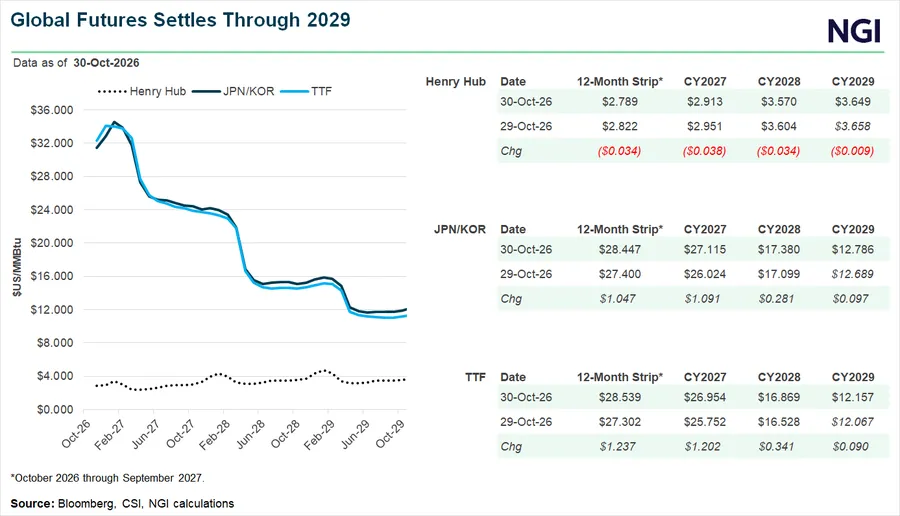
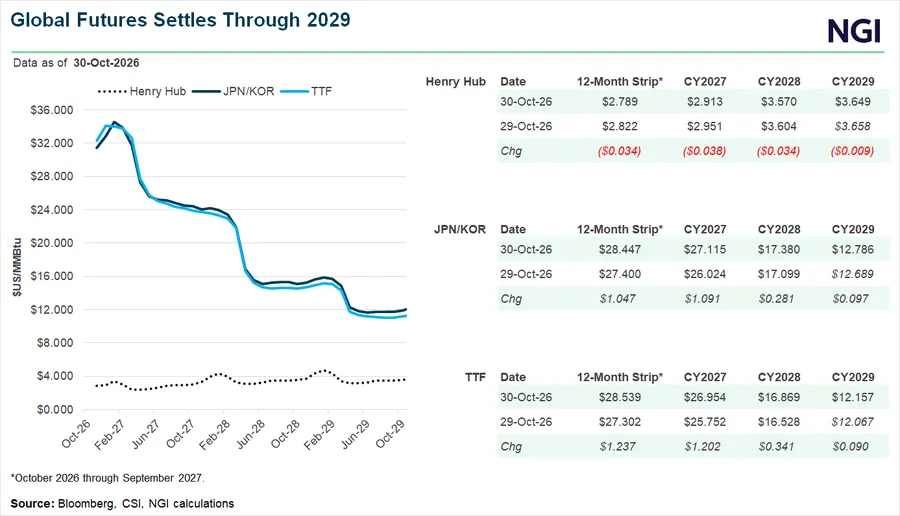
The third-quarter results arrive at a time when global natural gas futures are experiencing heightened volatility. Regional price spreads between major global benchmarks—such as the U.S. Henry Hub, the European Title Transfer Facility (TTF), and the Japan/Korea Marker (JKM) for spot LNG—continue to reflect the geographical fragmentation of natural gas markets. While North American domestic prices remain relatively insulated due to robust domestic production and ample storage inventories, international markets remain acutely sensitive to supply disruptions, geopolitical strife, and competition for seaborne cargoes.
TotalEnergies’ extensive global asset footprint positions the company uniquely to navigate these regional imbalances. By redirecting flexible volumes to markets offering the highest realization prices, the company has been able to maximize value for its shareholders while supporting energy security in importing nations that are still weaning themselves off pipeline gas from traditional suppliers. Executive leadership emphasized that the company’s disciplined capital allocation, combined with operational flexibility, has been vital in converting geopolitical turbulence into strong commercial performance.
Looking ahead to the final quarter of the year, TotalEnergies expects the upward trajectory in gas and LNG pricing to persist. As winter heating demand approaches in key consuming regions, the baseline requirement for natural gas storage injections and immediate deliveries will likely keep market fundamentals tight. When compounded by the backdrop of the ongoing conflict in the Middle East, the potential for sudden price spikes remains a constant concern for industrial consumers, utilities, and policymakers alike.
The broader international energy landscape continues to adjust to these permanent shifts in trade flows. The structural shift toward liquefied natural gas as a globally traded commodity means that events in one corner of the world—such as maritime security threats or regional conflicts in the Middle East—have immediate, cascading effects on utility bills in Europe and manufacturing costs in Asia. TotalEnergies’ ability to deliver double-digit growth in its LNG sales during the third quarter demonstrates both the resilience of its integrated business model and the immense market appetite for secure, flexible energy supplies in an increasingly unpredictable world.
As the company prepares to close out the fiscal year, market observers will be closely monitoring how TotalEnergies manages its production profiles, shipping logistics, and commercial strategies in response to the fluid geopolitical situation. With the Iran war continuing to cast a long shadow over international energy markets, the premium on reliable supply has never been higher, setting the stage for what is expected to be a volatile and financially significant fourth quarter for the global energy sector.
| Source | : | Finance Poetry |
| Author | : | rifanmuazin |
| Editor | : | Finance Poetry Editorial Team |