
What Kyiv Residents Think About Giving Up Territory to Russia
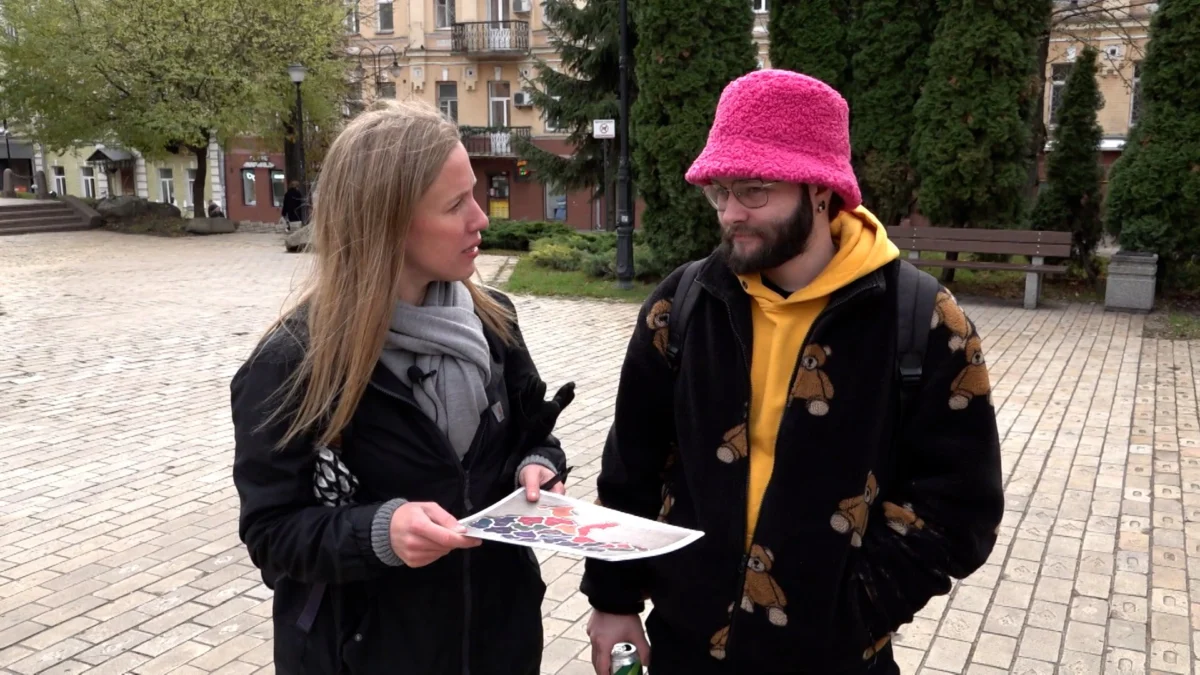
As the protracted conflict in Ukraine moves deeper into its grim chronology, the psychological and political landscape within the capital city of Kyiv remains complex, deeply fractured, and defined by resilience alongside mounting fatigue. Nearly five years after the escalation of hostilities in 2022, the fundamental question of territorial integrity versus the pursuit of a sustainable peace continues to loom large over daily life. For residents of Kyiv, who have lived through air raid sirens, power outages, and the constant psychological toll of aerial bombardments, discussions surrounding the potential concession of land to the Russian Federation are not merely abstract geopolitical debates; they strike at the very heart of national identity, personal sacrifice, and the vision of a secure future.
Public sentiment in the capital presents a multifaceted picture that resists simple categorization. On the surface, the prevailing public discourse championed by civic leaders and national institutions has consistently rejected any formal recognition of Russian territorial gains. Yet, beneath this official stance, conversations among ordinary citizens reveal a growing spectrum of views shaped by the sheer duration of the war, economic pressures, and the human cost paid on the frontline. Walking through the streets of Kyiv, one encounters a populace that is intensely proud yet increasingly exhausted, caught between the unwavering desire to reclaim every square kilometer of internationally recognized Ukrainian territory and the harsh, wearisome realities of an attrition-based conflict that shows no immediate sign of concluding through outright military victory alone.
The debate over territorial concessions is inextricably linked to the historical and legal framework of the conflict. Since the annexation of Crimea in 2014 and the subsequent large-scale invasion, the official position of the Ukrainian government has been clear and resolute: peace can only be achieved upon the restoration of the country’s 1991 borders. For many residents of Kyiv, compromising on this principle is viewed as an existential threat not only to the territorial sovereignty of the state but to the international order itself. Supporters of this uncompromising stance argue that ceding land would merely reward aggression, leaving millions of Ukrainian citizens under occupation and setting a dangerous precedent for global security. In interviews and daily interactions across the capital, citizens frequently emphasize that giving up territory would dishonor the memories of those who have died defending the country, creating a profound moral barrier to any negotiated settlement that involves permanent land losses.
At the same time, the prolonged nature of the hostilities has inevitably fostered nuanced discussions regarding the definition of victory and the price of peace. While few Kyiv residents openly advocate for unilateral surrender or the wholesale abandonment of their compatriots in occupied regions, a growing undercurrent of pragmatic fatigue exists within certain segments of the population. This perspective is often driven by the relentless human toll—the families separated by displacement, the continuous grief over fallen soldiers, and the profound economic uncertainty that burdens the younger generation. Some citizens, speaking privately or in public forums, grapple with the agonizing dilemma of whether a protracted war of attrition might ultimately inflict more permanent damage on the social fabric and demographic future of the nation than a painful, compromised cessation of hostilities.
The psychological atmosphere in Kyiv reflects this internal tension daily. The city operates with a remarkable degree of normalcy on the surface, with cafes open, public transportation running, and citizens striving to maintain their routines amid the constant backdrop of air defenses firing at incoming threats. However, this outward resilience masks a deep-seated anxiety about what the future holds, particularly as international political dynamics shift and discussions regarding peace frameworks gain traction among global allies. Residents are acutely aware that decisions regarding Ukraine’s territorial integrity are frequently debated in foreign capitals, generating a sense of vulnerability and a fierce determination to ensure that the voice of the Ukrainian people—and particularly those enduring the capital’s hardships—remains central to any future negotiations.
Public opinion polls and sociological studies conducted within Ukraine, including Kyiv, consistently reflect this delicate balancing act. While majorities routinely express opposition to formal territorial concessions, the margin of willingness to consider alternative diplomatic pathways fluctuates in correlation with developments on the battlefield and the stability of critical infrastructure. When energy grids are targeted and winter brings severe hardship, the conversation inevitably turns toward the urgent need for stability and safety, even as the ideological commitment to territorial wholeness remains steadfast. Conversely, moments of military stabilization or international support reinvigorate the collective resolve to resist any form of appeasement.
For the residents of Kyiv, the question of giving up territory is ultimately viewed through a personal lens. It involves friends and family members currently serving in the armed forces, homes left behind in the east and south, and a collective heritage that has been heavily contested for generations. As the news cycle continues to report on potential diplomatic maneuvers and international summits, the people of the capital remain vigilant, analytical, and deeply invested in the outcome of a debate that will define the destiny of their nation for decades to come. The discourse in Kyiv is not monolithic; it is a living, breathing reflection of a society under immense pressure, trying to navigate the agonizing space between the defense of sovereign principles and the universal human yearning for peace.
| Source | : | Finance Poetry |
| Author | : | rifanmuazin |
| Editor | : | Finance Poetry Editorial Team |