
Strait of Hormuz Oil Tanker Attacks Intensify as Regional Tensions and Geopolitical Strains Mount
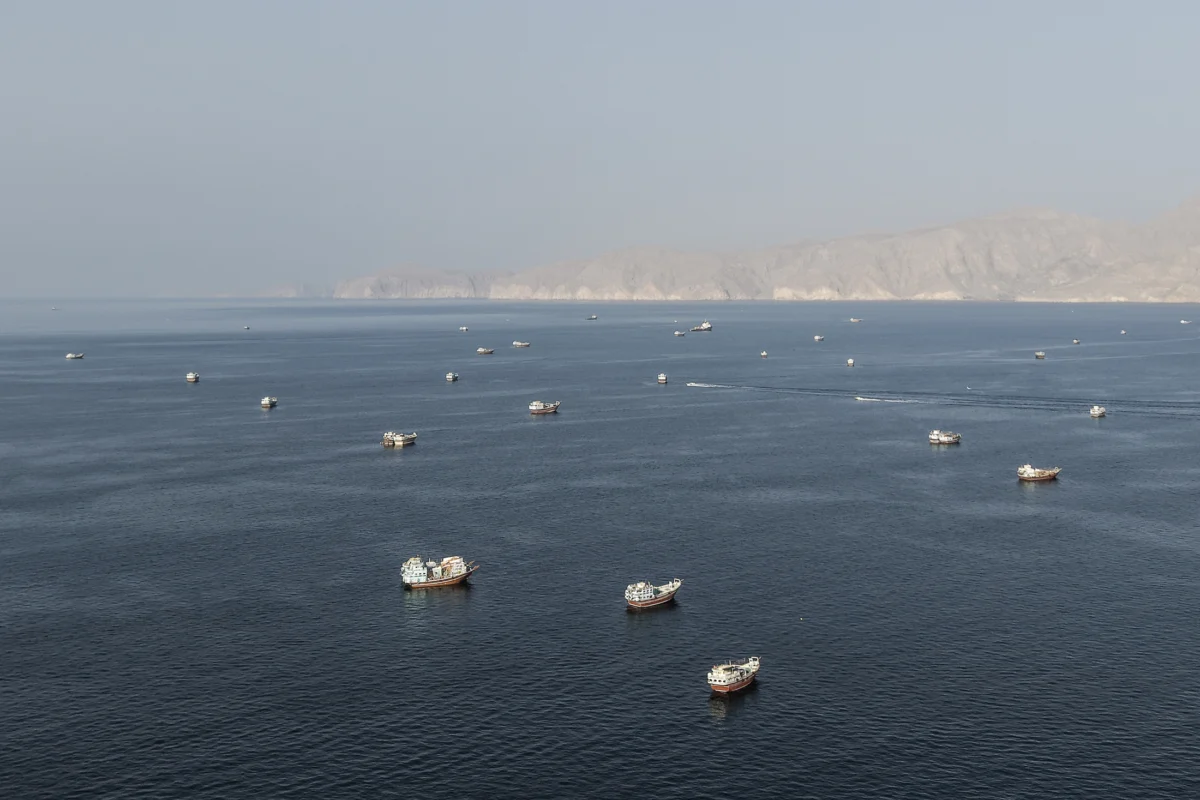
The critical maritime corridor of the Strait of Hormuz is facing a severe escalation in security threats as targeted attacks on oil tankers by Iran intensify. This dangerous escalation unfolds against a complex backdrop in global energy markets, where crude prices have recently tumbled due to a substantial flood of supply originating from the Middle East. Despite the downward pressure on commodity prices, the physical risks to maritime trade and international seafarers are reaching alarming new thresholds, threatening to disrupt the fragile equilibrium of global energy transit.
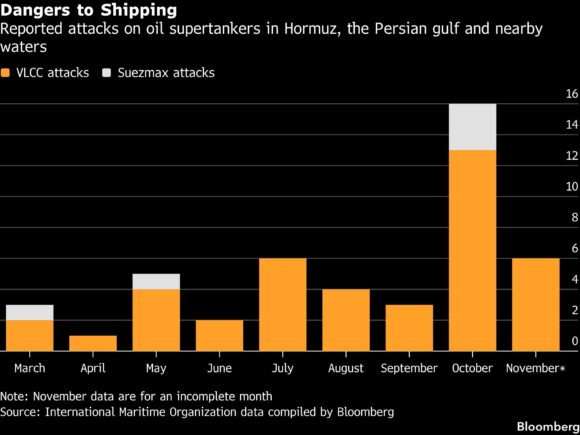
According to comprehensive data compiled by Bloomberg, what began as a period of relatively low-grade maritime skirmishes and sporadic disruptions shifted dramatically in October, maintaining a heightened and aggressive tempo through November. The mounting severity of these incidents is underscored by tragic human costs; at least two seafarers have been reported missing following attacks this week alone. Furthermore, commodity traders and shipowners have widely
circulated alarming digital footage this week showing a commercial vessel completely engulfed in flames, highlighting the volatile and perilous reality facing those operating in the region.
This dangerous maritime flashpoint coincides with a significant downward correction in international oil markets. Brent crude futures have slid by approximately one fifth over the course of the month. This price drop has been heavily driven by Middle Eastern oil exports surging back toward pre-war levels. Last week, the International Energy Agency noted in its market assessment that global oil supply is currently outpacing demand for the first time since the outbreak of the regional conflict.
However, recent shipping data indicates that overall export flows have begun to pull back. Industry experts note it remains difficult to immediately determine whether this recent deceleration in shipments is a direct consequence of intensifying attacks or merely a reflection of the inherent, week-to-week and month-to-month volatility typical of maritime oil logistics.
Crucially, assessing the true extent of the damage inflicted on commercial vessels remains a formidable challenge. Energy producers and shipping operators frequently maintain strict secrecy and remain tight-lipped regarding specific incidents, largely driven by pressing security concerns and the desire to protect maritime operations. Consequently, a pivotal question looms over the global economy: Will these escalating attacks ultimately prove severe enough to meaningfully impact and disrupt international oil supplies?
"It seems like the new normal: Something like a war, but not exactly a war, with attacks on ships virtually every day," said Georgios Sakellariou, an analyst at the shipping-analytics platform Signal Ocean. "Oil is going out, but being certain about the volumes is complicated by the attacks and the secrecy."
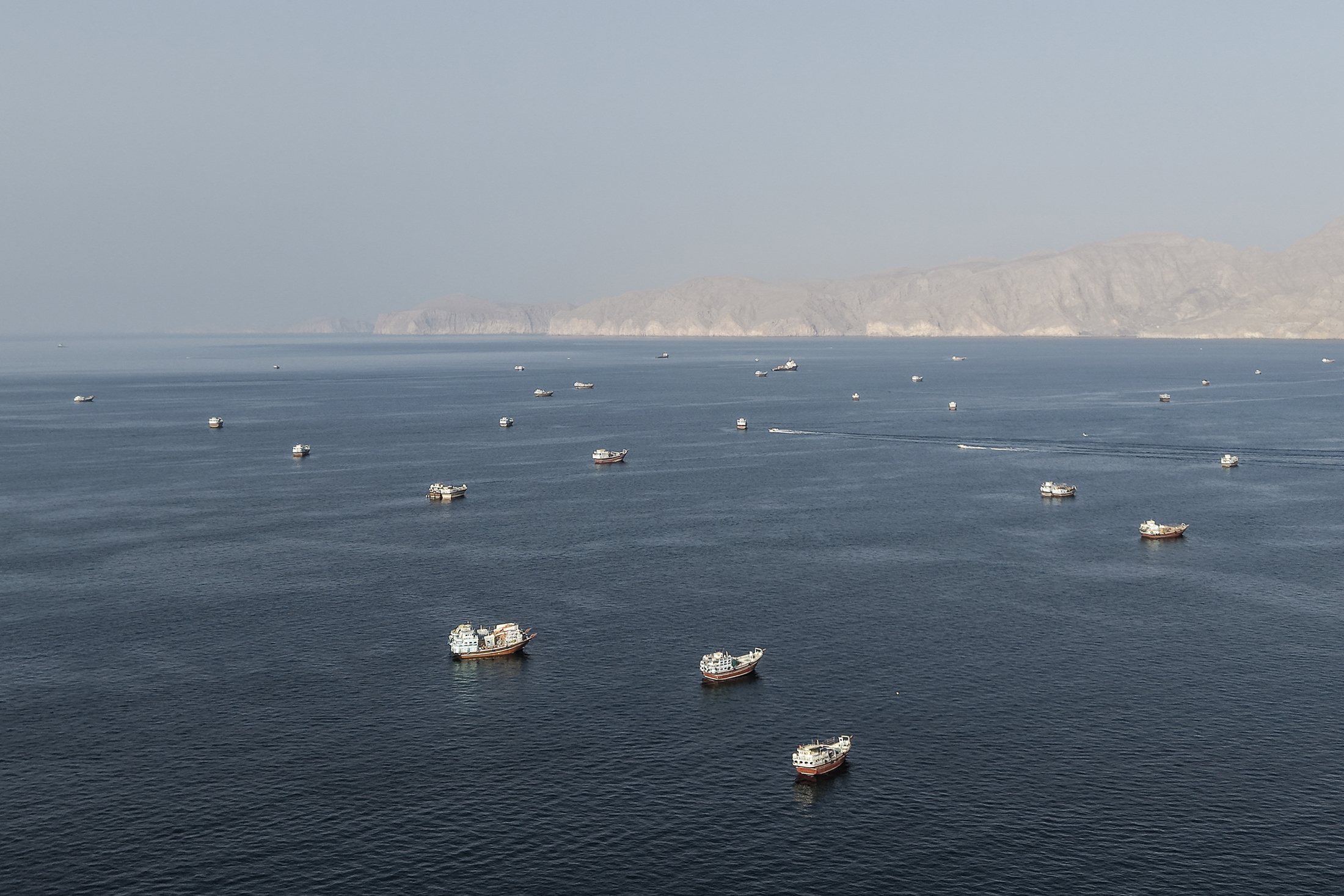
Sakellariou also pointed out another compounding operational challenge facing the industry. While oil continues to find its way out through the narrow strait, a growing number of replacement vessels will ultimately be required to sustain supply chains as ships are damaged, abandoned, or entirely lost to hostile actions.
Maritime security officials have observed alarming tactical shifts, noting that attacks are becoming increasingly calculated and destructive. According to several security reports, Iranian forces have attempted to strike the exact same vessel on multiple occasions specifically to deter salvage operations and rescue efforts. Observers have also documented sightings of limpet mines being covertly attached to the hulls of commercial tankers. A senior Gulf oil official confirmed that the overall security situation in and around the Strait of Hormuz has visibly deteriorated since the recent United States midterm elections.
For nations across the Persian Gulf, energy exports represent the foundational lifeblood required to fund their respective economies. Even in the face of persistent danger, regional producers have little alternative. A senior Saudi shipping official emphasized at an industry conference last week that the kingdom has no viable choice but to continue navigating and shipping its crude oil through the Strait of Hormuz, regardless of the ongoing attacks.
To gauge the frequency and severity of these maritime security incidents, traders, market analysts, and shipping officials routinely rely on data provided by the UK Maritime Trade Operations and the International Maritime Organization. However, because Gulf producers rarely publish official, real-time public information regarding attacks in order to safeguard vessel security, the information vacuum is frequently filled by speculation.
This lack of transparent official reporting has fueled widespread uncertainty throughout commodity trading circles, spawning rampant rumors about the status of specific vessels. UKMTO reports indicate that the frequency of incidents has hovered around roughly one attack per day this month, with approximately 14 distinct incidents recorded within the Strait of Hormuz. Last month, maritime authorities admitted they were struggling to accurately capture the full scope of the violence because numerous shipping companies chose not to report hostile encounters due to commercial and security apprehensions.
Flows Ebb as Transit Data Shifts
While uncertainty continues to shroud the frequency of individual attacks, shipping intelligence firms Kpler and Vortexa have documented a clear downward shift in overall oil flows passing through the crucial waterway this month.
Data compiled by Kpler shows that the seven-day moving average of oil transits moving through the Strait of Hormuz, alongside net ship-to-ship transfers conducted in the Gulf of Oman, eased down to approximately 10 million barrels a day by November 10. This represents a significant drop from the roughly 13.4 million barrels a day recorded at the very beginning of the month. Analysts caution that these recent transit figures remain provisional, as additional vessel crossings continue to be identified, verified, and validated over time.
As regional producers aggressively boosted their output last month, interesting anomalies emerged in official reporting. Saudi Arabia informed the Organization of the Petroleum Exporting Countries that the volume of oil it physically supplied to the international market fell notably short of its actual production figures. Historically, such discrepancies have served as a strong indicator that the kingdom was intentionally filling domestic storage facilities or accelerating shipments out through the Strait of Hormuz ahead of an anticipated military escalation or blockade.
These maritime tensions are unfolding in tandem with broader, direct military confrontations between the United States and Iran. Both sides have steadily escalated a cycle of tit-for-tat strikes in the ongoing conflict. This week, US warplanes launched precision air strikes against an Iranian missile launch site located on Qeshm Island in the Persian Gulf. The strike was executed as a direct retaliatory response to earlier Iranian targeting of American military personnel and regional assets.
Western officials indicate that the risk of the United States launching a broader, more comprehensive wave of mass military strikes against Iran has grown noticeably in recent days. Amplifying these tensions, the United States issued a fresh advisory warning to commercial vessels attempting to breach its ongoing naval blockade of Iranian ports.
While the broader international oil market has largely absorbed these geopolitical flare-ups without inducing a panic, analysts warn that market resilience could quickly fracture if the frequency and severity of tanker attacks worsen. The human and physical toll of the conflict was starkly illustrated this week when Abu Dhabi National Oil Co. confirmed that one of its oil tankers was struck while transiting the Strait of Hormuz. The incident resulted in one seafarer missing and unaccounted for, while 11 other crew members sustained injuries.
Governments in the region are registering formal diplomatic protests against the maritime aggression. Kuwait recently submitted a formal communication to the International Maritime Organization detailing hostile attacks directed against eight of its commercial oil tankers over recent weeks.
"Such actions undermine the security and stability of the region and constitute a clear breach of international law," Kuwait stated in its official communication to the maritime body. "Kuwait reiterates its demands that the Islamic Republic of Iran immediately cease its unlawful attacks."
| Source | : | Finance Poetry |
| Author | : | rifanmuazin |
| Editor | : | Finance Poetry Editorial Team |