
42 State Attorneys General Intervene to Block Character.ai From Auctioning Private User Chats to Highest Bidder
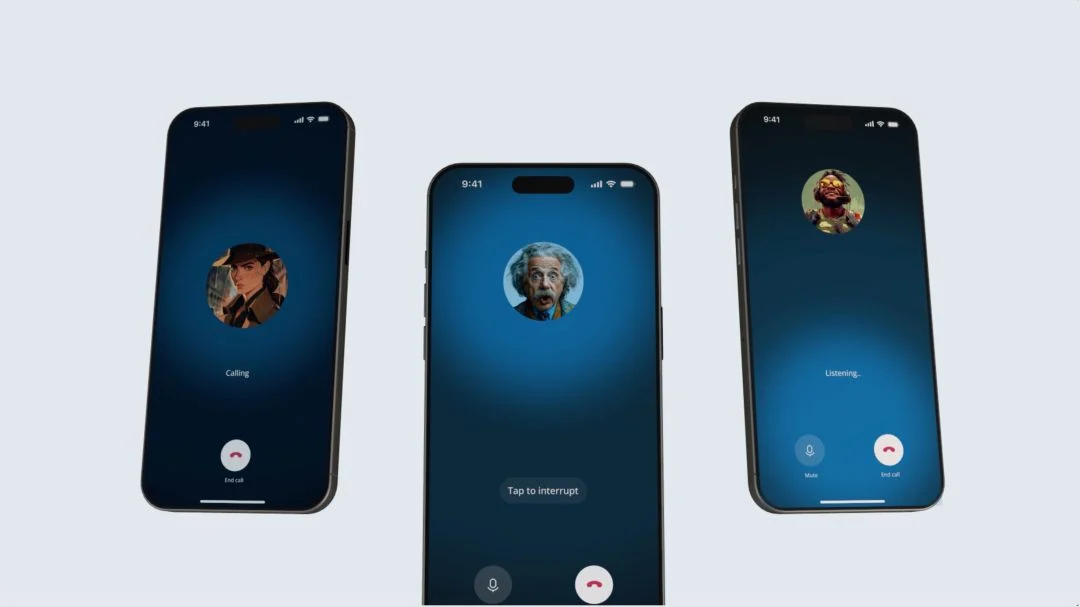
When an artificial intelligence company collapses financially, the fate of the vast digital footprints left behind by its users usually hangs in the balance. For the interactive chatbot platform Character.ai, which filed for Chapter 11 bankruptcy in October following a steep downward spiral, the proposed solution has ignited a massive regulatory backlash. According to court filings and public disclosures, the company’s plan is to auction off its massive repository of sensitive user data to the highest bidder.
That strategy has now run into a formidable brick wall. A coalition of 42 state attorneys general has officially intervened in Character.ai’s ongoing bankruptcy proceedings, launching a coordinated legal effort to stop the platform from selling off deeply intimate user data. At the center of the controversy are millions of private conversations, including millions belonging to children, raising urgent alarms regarding consumer privacy, data security, and child safety.
The attorneys general participating in the intervention have rolled out individual press statements detailing the staggering scope of the dataset at stake. According to these filings, Character.ai’s archives contain chat histories from more than 21 million U.S. accounts. Of that total, more than 2.1 million accounts belong to minors. Beyond the intimate text of the conversations themselves, the proposed asset sale would transfer other critical personal identifiers, such as user IP addresses, into the hands of unknown third parties.
The impending auction brings into sharp relief a broken promise made by the company to its consumer base. Character.ai previously assured its users that their personal information and chat logs would remain secure and would not be sold. Even after filing for bankruptcy, the platform published a blog post assuring users that their private data would continue to enjoy protection under the company’s existing privacy policy. The state attorneys general argue that allowing this sale to proceed would directly violate those explicit guarantees, turning a blind eye to fundamental consumer trust.
As the bankruptcy proceedings press forward, details regarding potential buyers have begun to trickle out, adding further concern to regulators. Thus far, only a single anonymous bidder has been publicly disclosed: Smirks and Pangs Acquisition LLC, a corporate entity established in Delaware on November 13, 2026. Just one day after its formation, Character.ai selected the newly minted firm as the baseline bid for an auction scheduled for December 1. California Attorney General Rob Bonta and other state officials noted that it remains entirely unclear what the buyer’s ultimate intentions are for the sensitive chat logs, leaving millions of users in the dark about how their personal thoughts might be exploited.
The legal opposition mounted by the coalition of state regulators is rooted in a fundamental lack of enforceable protections for users. If the sale is permitted, whoever acquires the data will be free to do as they please, including reselling the information to other brokers without notifying the original users. Furthermore, subsequent buyers will not be legally bound to honor Character.ai’s privacy policy. The attorneys general also claim that Character.ai has failed to provide the bankruptcy court with the same level of detailed information that potential bidders have received regarding prospective safety liabilities or legal challenges arising from the acquisition.
Complicating the legal landscape further is the impending enactment of new state-level legislation. Several states, including California, Colorado, New York, and Connecticut, have passed robust chatbot safety laws slated to go into effect on January 1, 2027. Consummating the sale of these unvetted chat datasets could immediately trigger fresh regulatory violations under these upcoming statutes.
State leaders pulled no punches when condemning the platform’s maneuvers. In a strongly worded public statement, California Attorney General Rob Bonta criticized the company’s attempt to use the court system as an evasion tactic. Character.ai explicitly promised consumers that their data would not be sold. This kind of behavior is illegal under federal and California law, and bankruptcy should not be used to sidestep these vital consumer protections, Bonta stated.
Connecticut Attorney General William Tong levied an even harsher critique, taking direct aim at the core business model that propelled the company toward financial ruin. Their chatbots drove vulnerable youth down a rabbit hole of emotionally volatile and sexually inappropriate chats, Tong said. Their reckless misconduct and broken business model drove their company into the ground. Now they want to abuse the bankruptcy process to do exactly what they said they wouldn’t do — auction off those private chat records and personal details to a shady buyer.
Tong further emphasized the state’s aggressive stance on holding tech companies accountable during financial restructurings, pointing to previous legal battles. We objected to the Disney sale, and we’re calling on the bankruptcy court to reject this sale too as yet another guise to eviscerate legal liability and consumer protection, Tong added.
The earlier opposition to the Disney transaction was spearheaded by a similar, though not identical, coalition of state attorneys general. That prior battle was fought over a proposed $20 million licensing agreement designed to give Disney access to Character.ai’s intellectual property while explicitly excluding user chat logs. While that deal has not yet secured final court approval, Disney separately agreed to absorb the vast majority of Character.ai’s remaining workforce.
The rapid unraveling of Character.ai follows a turbulent period marked by high-profile departures and severe legal challenges. The startup’s trajectory shifted dramatically after its co-founders, Noam Shazeer and Daniel De Freitas, returned to Google following a deal in which the tech giant secured a non-exclusive license to use the startup’s underlying technology. At the same time, the platform became embroiled in devastating lawsuits centered on child safety. Among them was a heavily scrutinized lawsuit involving the tragic suicide of a 14-year-old boy in Florida, whose mother alleged that her son had developed an unhealthy, obsessive attachment to a specific chatbot on the platform.
The broad coalition standing alongside California Attorney General Rob Bonta to block the data auction includes top law enforcement officials from Alaska, Arkansas, Colorado, Connecticut, the District of Columbia, Delaware, Florida, Georgia, Hawaii, Idaho, Illinois, Indiana, Kansas, Kentucky, Louisiana, Maine, Maryland, Michigan, Minnesota, Mississippi, Missouri, Nevada, New Hampshire, New Jersey, New York, North Carolina, North Dakota, Ohio, Oklahoma, Oregon, Pennsylvania, Rhode Island, South Carolina, South Dakota, Tennessee, Utah, Virginia, Vermont, Washington, Wisconsin, and West Virginia.
| Source | : | Finance Poetry |
| Author | : | rifanmuazin |
| Editor | : | Finance Poetry Editorial Team |