
Iran Expands Strait of Hormuz Blacklist to Target Tugboats and Salvage Support
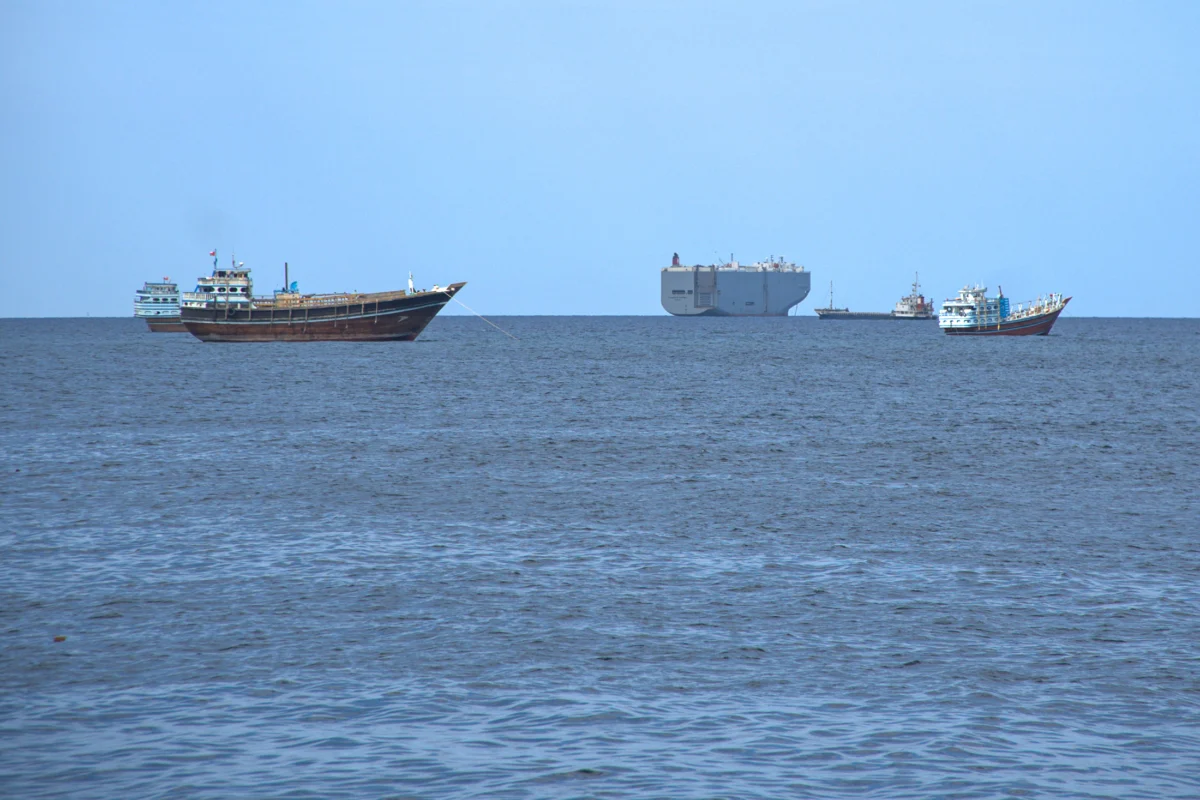
Iran’s maritime authorities have significantly escalated their pressure campaign targeting commercial shipping in the Persian Gulf by adding tugboats to an expanding "non-compliance list," in a move that threatens to choke off critical support services for oil tankers navigating the volatile Strait of Hormuz.
The Persian Gulf Strait Authority, a body established by Tehran in May to assert control over traffic passing through the vital global energy chokepoint, announced that 26 tugboats have been placed on its blacklist, according to reports from the semi-official Tasnim news agency. The decision marks the latest escalation in Iran’s efforts to penalize not only the cargo vessels transiting the strait without explicit Iranian permission, but also the broader maritime ecosystem and service providers that keep tanker traffic moving.
With the latest additions, the authority has now placed a total of 266 vessels on its compliance blacklist for transiting the crucial waterway without Tehran’s authorization. Despite the mounting pressure and the constant threat of interdiction, a steady flow of commercial vessels has managed to successfully pass through the strait. Many of these ships have relied on taking the southern route through the shipping lane, which abuts the coast of Oman. These cargo flows—which have at times rebounded to pre-war levels—have played a pivotal role in global markets by helping to keep international energy prices in check.
However, the maritime infrastructure supporting these transit routes is facing unprecedented strain. Tugboat operators have emerged as an indispensable cog in maintaining global shipping flows, providing vital assistance by towing tankers that have been damaged in Iranian attacks to safety. These salvage operations have become increasingly urgent and difficult against the backdrop of a broader global shortage of available tankers.
Beyond towing disabled vessels, tugboats and support craft are heavily tied up in complex shuttle activities. These operations involve transferring oil between different ships at sea in order to clear cargoes safely out of the Persian Gulf and onward to international destinations. Because Iran has intensified its military strikes and harassment in recent months against commercial vessels proceeding without its authority, analysts suggest that Tehran’s strategy is evolving. By blacklisting and targeting tugboats, Iran is likely attempting to systematically deny essential towage, firefighting, and salvage capabilities to the very vessels it attacks, according to a recent analytical note published by Orbital Risk Intelligence, a maritime risk firm.
The fleet of support and rescue tugboats has increasingly paid a heavy price for its critical role in keeping global trade moving through the region. Several auxiliary boats have sustained direct damage in the Persian Gulf and surrounding waters over recent months, according to ongoing tallies maintained by the International Maritime Organization. Earlier this month, a Panama-flagged tugboat was reported damaged in an incident at sea, following an earlier hostile encounter involving a Netherlands-flagged vessel that also resulted in injuries to a crew member, data from the agency shows.
The dangers facing maritime support crews were starkly highlighted earlier in the year. Back in March, an incident involving a tug operating off the coast of Oman resulted in the deaths of four seafarers, while three others sustained severe injuries, according to reports compiled by the International Maritime Organization.
The Persian Gulf Strait Authority has previously issued stern warnings to any commercial entities, shipping agencies, and companies that provide auxiliary services to tankers passing through the strait, explicitly stating that they too would face blacklisting if they assisted unauthorized vessels, Tasnim reported, citing statements from the Iranian authority. As Tehran continues to tighten its regulatory grip over the waterway, the standoff between Iranian authorities and the international maritime community shows no signs of abating, leaving commercial operators, salvors, and crews to navigate an increasingly hazardous environment.
| Source | : | Finance Poetry |
| Author | : | rifanmuazin |
| Editor | : | Finance Poetry Editorial Team |