
Satellite Imagery Confirms Major Fires at Saudi Arabia’s Ras Tanura Oil Refinery Following Houthi Drone Attack
Yemen’s Iran-aligned Houthi movement announced on Wednesday that its forces had carried out a targeted military operation against Saudi Arabia’s Ras Tanura oil refinery, the kingdom’s largest processing facility, situated in close proximity to a major export terminal for Saudi crude oil. The announcement came amid a dangerous escalation in regional hostilities that have increasingly directly impacted civilian infrastructure, major financial centers, and critical energy hubs across the Arabian Peninsula.
Houthi military spokesman Yahya Saree confirmed that the drone attack on the sprawling facility successfully struck its targets and resulted in significant fires at the site. The Houthi militia, which maintains firm control over much of western Yemen—including the national capital of Sanaa—has progressively escalated its campaign of cross-border aerial strikes. These attacks have increasingly targeted Saudi airports, crucial oil infrastructure, and prominent office buildings since Yemen’s previously frozen civil war reignited violently in July, serving as a destructive spillover effect from the broader, escalating conflict involving the United States and Iran.
While the exact operational impact on daily production remains officially unquantified by state authorities, the physical consequences of the strike were corroborated by independent observation. NASA satellite imagery reviewed by Reuters revealed the presence of large swathes of thick black smoke billowing heavily around the Ras Tanura refinery complex, blanketing an expansive area measuring approximately 600 square kilometers.
Despite the compelling visual evidence and the claims made by the Houthi movement, the official narrative provided by regional defense authorities differed in its immediate public assessment. The Saudi-led military coalition stated earlier on Wednesday that its integrated air defense systems had successfully intercepted and destroyed a total of four incoming drones over the Ras Tanura area, which is located in Saudi Arabia’s strategically vital Eastern Province. However, the coalition’s initial operational briefing did not explicitly confirm that the refinery facility itself had sustained a direct hit during the engagement.
Government communication channels within the Saudi administration and representatives for Saudi Aramco, the world-renowned state oil giant, did not immediately respond to multiple requests for comment from international media outlets regarding the extent of the damage or the current status of operations at the facility.
Ras Tanura, a massive industrial asset boasting a substantial refining capacity of 550,000 barrels per day, has historically been a prime target for aerial assaults during the prolonged multi-year conflict with the Houthi movement, as well as during periods of heightened confrontation within the broader regional conflict involving Iran. The facility forms an integral part of a complex industrial zone situated directly on the kingdom’s Gulf coast. Historically, this complex served as Saudi Arabia’s primary export terminal for petroleum. Its strategic importance has been complemented more recently by the East-West pipeline and the terminal at Yanbu on the kingdom’s west coast, which gained heightened logistical significance following disruptions caused by the US-Iran war.
Wealth Fund Tower Hit Again in Riyadh
The strike on the vital Eastern Province refinery was accompanied by concurrent operations targeting the heart of the Saudi capital. Houthi military spokesman Saree detailed that the group had also executed a multi-phased attack aimed directly at Riyadh’s bustling financial district.
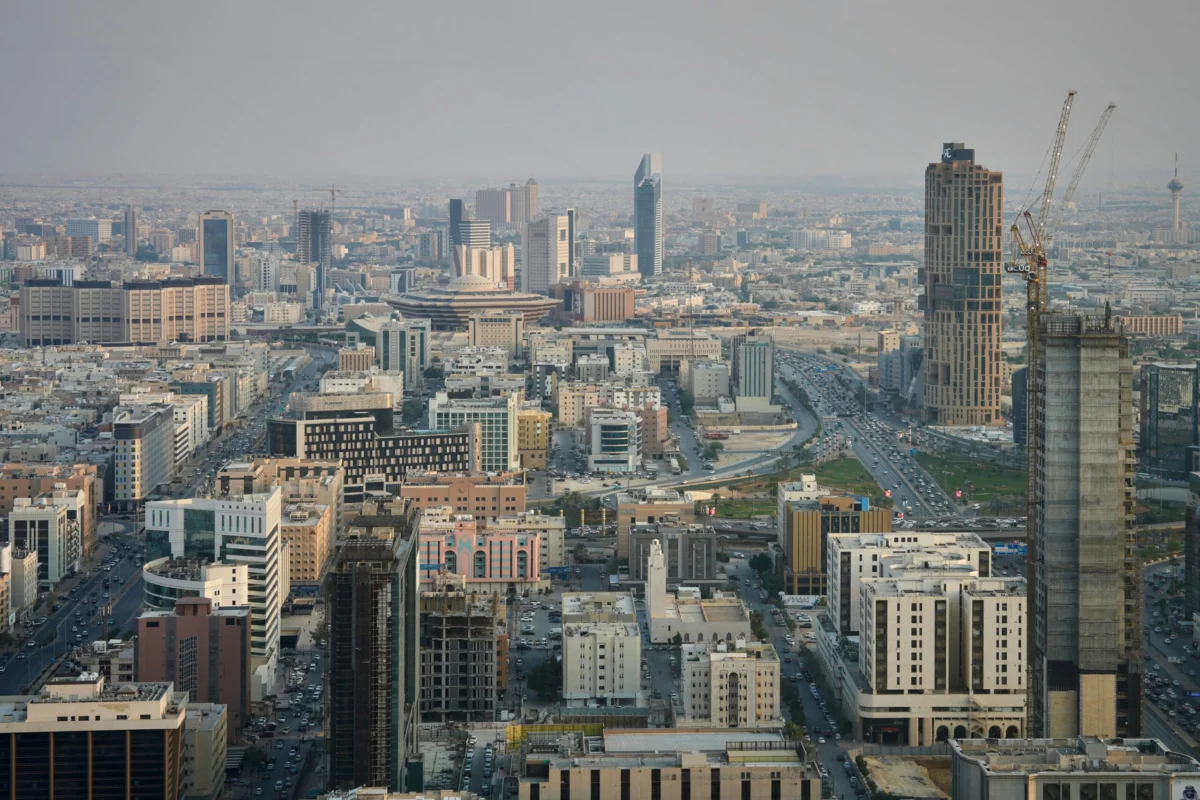
Saudi civil defense authorities confirmed that 11 people sustained injuries on Tuesday following a precise strike on a prominent high-rise tower located within the commercial hub of the capital. The targeted skyscraper holds immense economic and symbolic significance, standing as the tallest building in Riyadh and housing the official headquarters of the Public Investment Fund (PIF), Saudi Arabia’s multi-billion-dollar sovereign wealth fund. Security and municipal officials noted that this marked the second hostile strike on the signature tower in less than a week.
The initial attack on the skyscraper, which occurred on November 19, resulted in structural damage to the exterior of the building but miraculously caused no reported injuries among occupants or workers in the vicinity. Demonstrating the recurring nature of the threat, the Saudi civil defense department published an official photograph on Tuesday showcasing the landmark tower. The imagery clearly depicted visible structural damage sustained to the building’s facade approximately halfway up its height, bearing a striking resemblance to the impact patterns left by the previous week’s assault.
The cumulative effect of these persistent cross-border aerial operations has rippled far beyond the immediate physical damage sustained by targeted structures. Previous attacks orchestrated by the militia have temporarily disrupted selected operations of Saudi Aramco and forced the widespread cancellation of the vast majority of international commercial flights bound for Riyadh. Furthermore, the security environment has forced the Saudi government into defensive postures, resulting in the difficult decisions to postpone or outright cancel major high-profile international events. Among the casualties of the security situation have been soccer’s prestigious AFC Asian Cup events and the kingdom’s flagship international investment conference, commonly known as the Future Investment Initiative (FII).
As emergency response teams continue to manage the aftermath of the incidents in both the Eastern Province and the capital, the reporting was coordinated by journalists Menna Alaa El Din, Tala Ramadan, and Yousef Saba, with editorial oversight provided by Andrew Heavens.
| Source | : | Finance Poetry |
| Author | : | rifanmuazin |
| Editor | : | Finance Poetry Editorial Team |