
FPA NorCal Conference Wraps Up: Insights from the San Francisco Financial Planning Summit
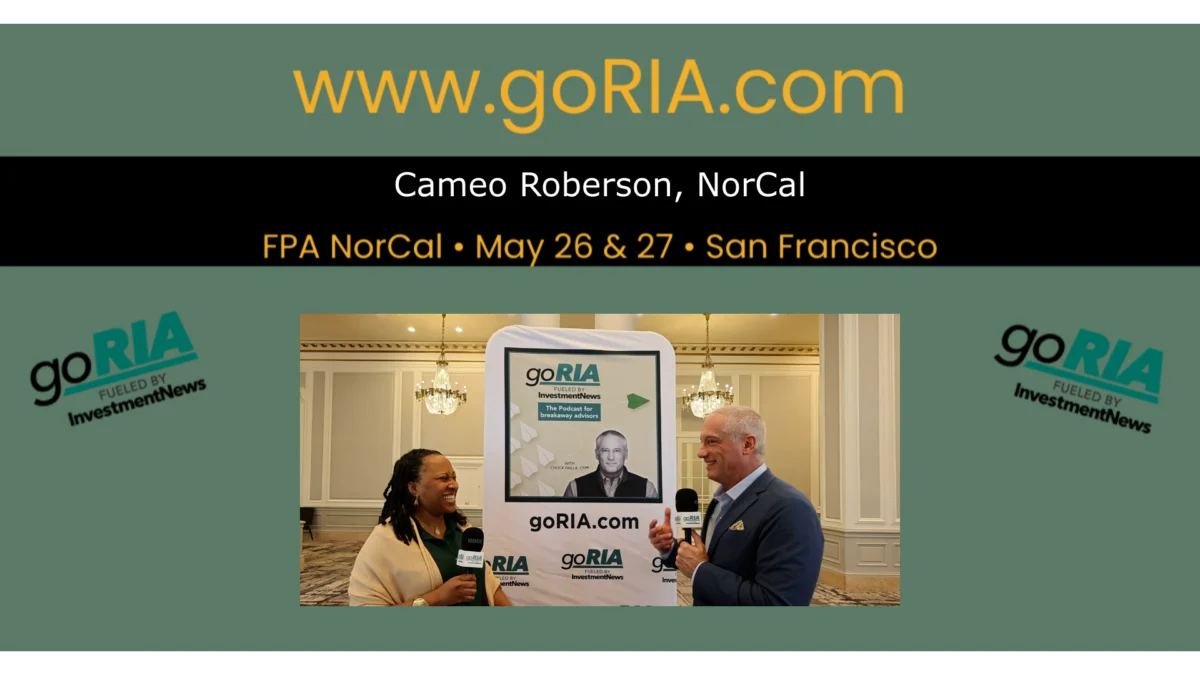
The Financial Planning Association (FPA) NorCal conference, held in the heart of San Francisco, has officially concluded, marking another successful year of bringing together the brightest minds in the financial advisory industry. The event, a staple for professionals seeking to navigate the evolving landscape of wealth management, served as a platform for deep-dive discussions on practice management, regulatory shifts, and the future of client engagement. Throughout the conference, the energy on the ground was palpable, reflecting the industry’s ongoing commitment to professional excellence and the pursuit of fiduciary standards.
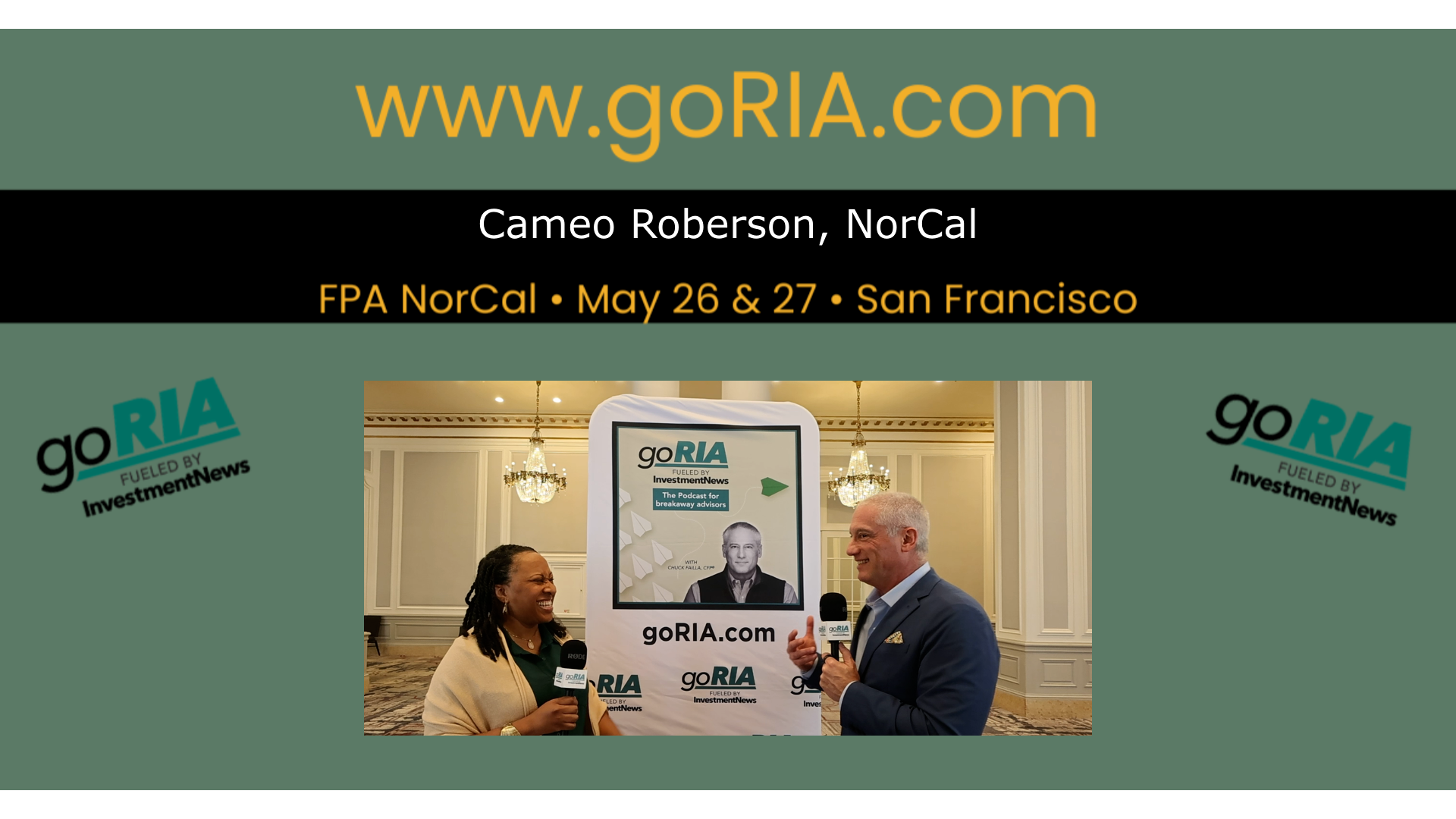
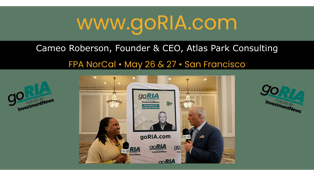
In this exclusive segment from the event, Chuck, reporting live from the conference floor, sat down with Cameo Roberson, the Marketing Chair for the FPA NorCal chapter. Their conversation focused on the final takeaways of the conference, reflecting on the shared experiences of attendees and the critical themes that defined this year’s gathering. As the event drew to a close, Roberson offered a perspective on the significance of these sessions, not just as educational opportunities, but as vital touchpoints for a community that often operates in silos.
The FPA NorCal conference has long been recognized for its ability to distill complex industry challenges into actionable strategies. This year was no different. By hosting a diverse array of speakers—ranging from veteran industry analysts to innovative practice managers—the organizers ensured that the content remained relevant to the daily realities of financial planners. The event’s structure, which favored intimate dialogue and high-level networking, allowed for the kind of knowledge exchange that is difficult to replicate in purely virtual environments.
The Pulse of the Industry: Key Themes at FPA NorCal
The discussions throughout the conference touched upon several pillars of modern financial planning. One of the primary areas of focus was the integration of technology in client advisory services. As firms grapple with the rapid rise of artificial intelligence and automated investment platforms, the sentiment among attendees was one of cautious optimism. The consensus, reinforced by the speakers throughout the multi-day event, was that technology should act as an enabler rather than a replacement for the human advisor. The "human element"—the ability to empathize, coach, and provide counsel during volatile market periods—remains the industry’s greatest differentiator.
Beyond technology, the conference placed a significant emphasis on the evolution of the client-advisor relationship. As demographics shift and younger generations enter the wealth management pipeline, the traditional models of service are being scrutinized. Speakers at the NorCal conference encouraged attendees to rethink how they deliver value, emphasizing transparency, holistic planning, and proactive communication. These themes were central to the sessions led by industry heavyweights, including Michael Kitces, who brought his signature analytical approach to the state of the profession.
Michael Kitces, one of the prominent guests featured during the conference, provided attendees with an in-depth look at the structural changes currently reshaping the advisory landscape. His insights, which spanned everything from fee compression to the scaling of small practices, served as a roadmap for planners looking to remain competitive in an era of rapid consolidation. By breaking down the economics of the advisory business, Kitces empowered participants to view their firms not just as service providers, but as resilient, scalable enterprises.
Leadership and Community Engagement
The role of organizations like the FPA, and specifically the NorCal chapter, was a recurring topic of discussion. For professionals like Cameo Roberson, the success of the conference is measured by the sense of community it fosters. Marketing, in the context of professional associations, is about more than just visibility; it is about building a cohesive identity for advisors who share a commitment to the fiduciary standard.
The closing sessions of the conference served as a reflection on this collective identity. As the industry faces external pressures from regulators and shifting macroeconomic conditions, the importance of a unified professional voice has never been higher. Roberson’s participation in the conference close-out highlighted the hard work of the volunteers and committee members who spend months planning the event. The dedication of these individuals is what allows the FPA NorCal conference to maintain its reputation as one of the premier gatherings for financial planners on the West Coast.
Another standout participant was Terri Kallsen, who joined the conference to offer her perspectives on the operational side of wealth management. Her expertise provided a necessary counterpoint to the more theoretical discussions, focusing on the tactical execution of business strategies. Her contributions served to ground the high-level discussions in the day-to-day realities of running a successful firm, from staff retention to the implementation of new service models.
Reflecting on the Future of Financial Advice
As the curtains close on the San Francisco event, the focus for many attendees now shifts to implementation. The sheer volume of information shared—from tax strategies and estate planning nuances to the nuances of behavioral finance—is substantial. However, the true value of the FPA NorCal conference lies in the long-term impact of these connections. The relationships formed in the hallways and the shared goals discussed in the conference rooms are what drive the industry forward long after the event has ended.
The environment in San Francisco provided a fitting backdrop for these conversations. As a hub for both traditional finance and the cutting-edge tech industry, the city mirrors the dual nature of modern financial planning. Advisors are constantly bridging the gap between time-tested principles of financial health and the rapid, tech-driven changes that are transforming how people interact with their money.
For those who were unable to attend the sessions in person, the resources provided by the InvestmentNews team offer a window into the core debates that took place. Through comprehensive video coverage and ongoing analysis, the goal is to keep the conversation alive. The insights shared by the guests at this year’s NorCal conference will undoubtedly influence the strategic planning of many firms throughout the coming year.
The FPA NorCal conference is more than just an annual meeting; it is an essential ecosystem for the advisory community. By fostering an environment of open communication and professional development, it helps ensure that the financial planning profession continues to grow in both competence and influence. As advisors return to their offices, they do so with a renewed sense of purpose and a wealth of information that will ultimately benefit the clients they serve.
Looking ahead, the momentum built at this conference will serve as a foundation for the industry’s continued evolution. Whether it is through the adoption of better technology, a deeper focus on client psychology, or the strengthening of the professional network, the lessons learned in San Francisco will play a critical role in shaping the future of wealth management. The commitment shown by the FPA NorCal organizers, the speakers, and the attendees themselves is a testament to the enduring importance of the work being done in the financial advisory space. As the industry navigates the complexities of the years to come, the collaborative spirit fostered at events like this will remain the primary engine for progress and innovation.
| Source | : | Finance Poetry |
| Author | : | rifanmuazin |
| Editor | : | Finance Poetry Editorial Team |