
Strategic Succession Planning: Insights from FPA NorCal with David Grau Jr.
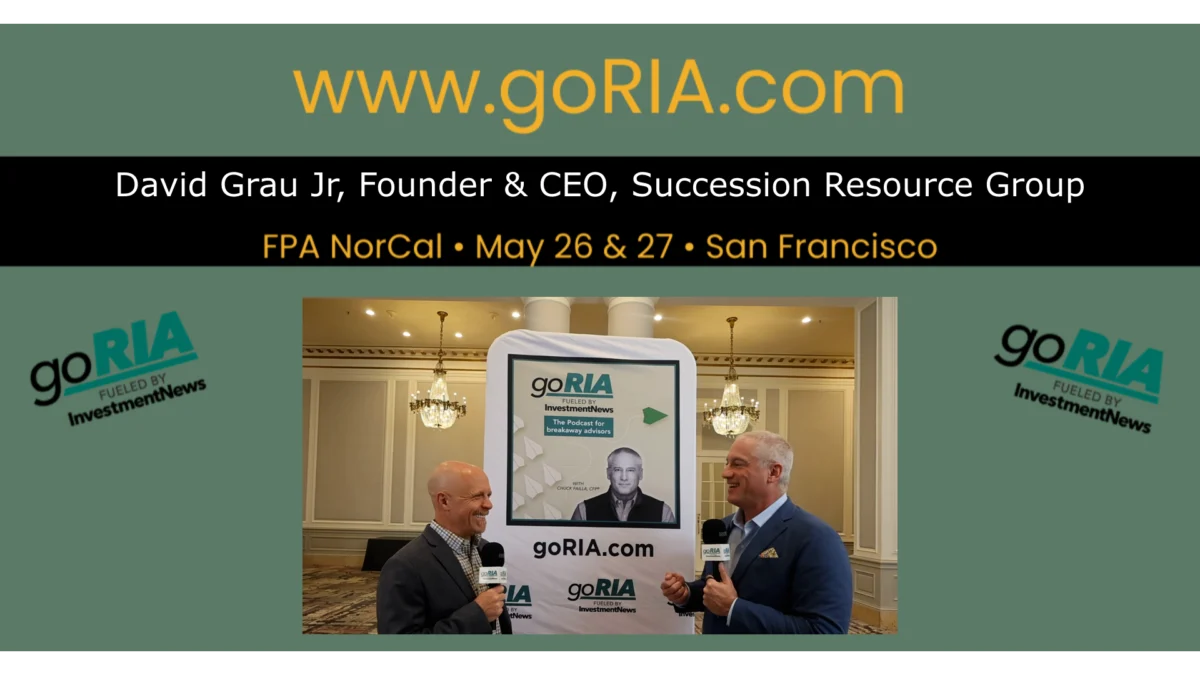
The financial advisory landscape is undergoing a profound transformation, driven by an aging demographic of practitioners and the increasing complexity of modern wealth management firms. As firm owners navigate the challenging path toward retirement or transition, the importance of structured, intentional succession planning has never been more critical. During the recent Financial Planning Association (FPA) NorCal conference in San Francisco, the conversation turned toward these essential strategic maneuvers, with industry experts highlighting the diverse pathways available to those preparing to pass the torch.
In a special segment recorded live from the conference floor, host Chuck engaged in a deep-dive discussion with David Grau Jr., the Founder and CEO of Succession Resource Group. The conversation centered on a fundamental reality for today’s independent advisor: there is no longer a "one-size-fits-all" approach to exiting a business. Instead, the modern succession environment requires a nuanced understanding of internal transitions, external acquisitions, and the various hybrid models that have emerged to preserve client relationships and firm value.
The Evolution of the Succession Model
For decades, the traditional succession model in the financial services industry was relatively straightforward. Often, a senior advisor would mentor a junior associate for several years, gradually transferring client accounts until a full buyout was triggered by the senior partner’s retirement. While this model still holds significant merit, particularly for firms focused on maintaining a cohesive culture and legacy, it is increasingly being augmented or replaced by more sophisticated structures.
During his discussion with Chuck, David Grau Jr. emphasized that the evolution of the industry has necessitated a broader view of what "succession" actually entails. The rise of private equity, the consolidation of independent firms into larger RIA platforms, and the availability of sophisticated financing options have changed the calculus for firm owners. Advisors are now looking at their practices not just as lifestyle businesses, but as transferable assets with distinct market valuations.
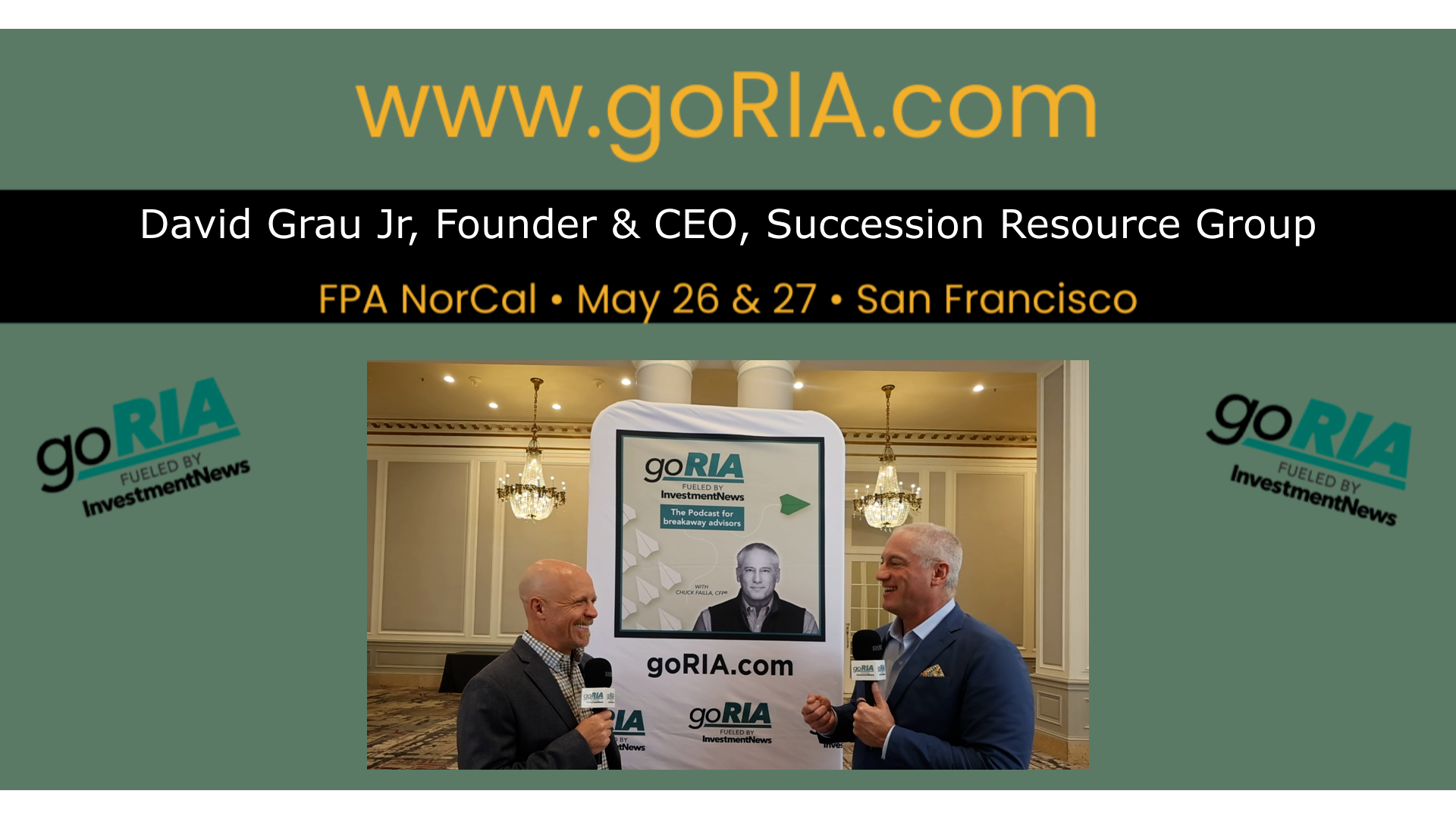
Grau noted that the primary hurdle for many advisors remains a lack of preparation. Many practitioners focus exclusively on managing client portfolios and growing assets under management, often neglecting the operational and legal architecture required to facilitate a smooth transition. Without a clear plan, the value of the firm—and the quality of service provided to clients during the transition—can suffer significantly. By exploring the various ways to plan for succession, advisors can protect their life’s work while ensuring their clients remain in capable hands.
Navigating the Complexity of Internal vs. External Transitions
One of the central themes of the conversation in San Francisco was the tension between internal succession—passing the firm to the next generation of employees—and external sale. Internal transitions are frequently preferred by advisors who value the preservation of their firm’s specific brand identity and the continuity of service for long-term clients. However, these arrangements often require the successor to have the financial means to fund a buyout, which can create friction if the firm’s valuation has outpaced the junior partner’s current earnings.
Grau pointed out that Succession Resource Group frequently assists firms in bridging this gap through creative deal structures. By utilizing earn-outs, seller financing, or even third-party capital, advisors can create paths for younger talent that might otherwise be unavailable. The goal, according to Grau, is to decouple the retirement of the senior advisor from the financial feasibility of the successor’s buyout.
Conversely, external sales offer a different set of advantages. For firms looking to scale rapidly or for advisors who lack a clear internal successor, merging with a larger entity or selling to an aggregator can provide immediate liquidity and institutional support. However, these deals require a rigorous focus on due diligence and cultural fit. Grau warned that a poor cultural match can lead to significant client attrition, ultimately eroding the very value the sale was meant to capture.
The Role of Valuation and Planning
A significant portion of the dialogue at the FPA NorCal conference focused on the role of valuation in the planning process. Many advisors are surprised to learn how their firm is perceived by the market compared to their own internal estimations. Grau highlighted that professionalizing the business—implementing robust CRM systems, documented investment processes, and a clear organizational hierarchy—significantly bolsters a firm’s valuation.
This professionalization is not just for the benefit of a future buyer; it is essential for the ongoing health of the practice. An advisor who has built a business that can function independently of their daily involvement is, by definition, a more valuable and more transferable asset. This concept, often referred to as "institutionalizing the practice," is a cornerstone of the services provided by Succession Resource Group. By focusing on these structural improvements early, advisors can ensure that they are always "exit-ready," regardless of whether they intend to retire in two years or ten.
Insights from the FPA NorCal Conference
The FPA NorCal conference serves as a vital touchpoint for the financial advisory community, bringing together thought leaders to discuss the most pressing issues facing the profession. The presence of experts like David Grau Jr. underscores the shift toward a more business-centric mindset among advisors. The event in San Francisco highlighted not only the technical aspects of succession but also the psychological shift required to step away from a practice that an advisor may have spent decades building.
Beyond the specific segment on succession planning, the conference featured a series of high-profile sessions designed to equip advisors with the tools they need for a changing landscape. For instance, the event included in-depth discussions with industry luminaries such as Michael Kitces, who has long been a voice for the evolution of financial planning, and Terri Kallsen, who has brought her expertise to bear on the operational challenges of modern wealth management. Furthermore, the inclusion of Cameo Roberson provided attendees with a broader perspective on the human elements of running a firm, such as team management and culture-building.

These sessions collectively painted a picture of an industry in transition. Whether through the lens of technological adoption, the complexities of regulatory compliance, or the strategic imperative of succession planning, the message from the conference was clear: the era of the "lone wolf" advisor is fading. In its place, we are seeing the rise of professionalized, multi-generational firms that prioritize scalability and long-term stability.
Preparing for the Future
As the financial advice community continues to grapple with these shifts, the work of organizations like Succession Resource Group remains pivotal. The core takeaway from the San Francisco discussion is that succession planning should not be viewed as a single event—a "closing" or a "sale"—but as an ongoing process of business management.
Advisors who take the time to evaluate their options, whether that means grooming an internal successor, seeking a strategic partner, or merging into a larger group, are better positioned to control their own destiny. By demystifying the process and highlighting the diversity of pathways available, leaders like David Grau Jr. are empowering advisors to make informed decisions that benefit themselves, their teams, and, most importantly, the clients who rely on their expertise.
The conversation in San Francisco at the FPA NorCal conference offered a timely reminder that while the future of the advisory profession is bright, it is also demanding. Success in the years to come will belong to those who are willing to plan with foresight, act with intention, and embrace the evolution of their own businesses. For those who view succession not as an end, but as a continuation of their professional legacy, the resources and strategies discussed during this live segment provide a roadmap for the journey ahead.
As the industry looks toward the coming years, the themes discussed at this conference will undoubtedly continue to resonate. The focus on succession is not merely a trend; it is a fundamental requirement for a profession that is increasingly defined by the strength and longevity of its institutions. By focusing on the strategic alignment of goals and resources, advisors can ensure that their businesses remain pillars of the financial community, capable of serving clients for generations to come.
| Source | : | Finance Poetry |
| Author | : | rifanmuazin |
| Editor | : | Finance Poetry Editorial Team |