
Democracy by ZIP Code: Two Americas, One Election
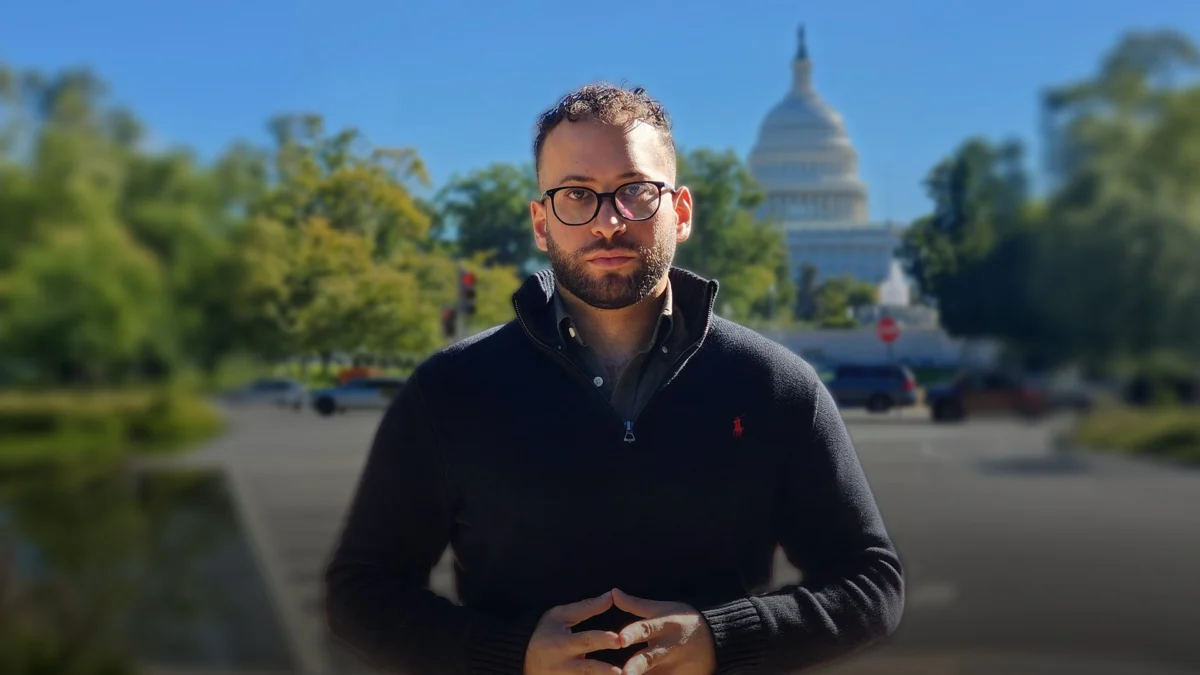
Americans across the country cast their ballots in the exact same national elections, yet the physical distance of just a few streets or neighboring ZIP codes can drastically alter an individual’s quality of life, economic security, and overall opportunities. This stark geographical divide is the focus of a revealing examination by Al Jazeera correspondent Mohammad Qasem, who investigates how stark inequalities in housing, healthcare, and employment shape the daily realities of citizens as Republicans and Democrats fiercely battle for control of the United States Congress.
While national political campaigns often focus on broad ideological debates, sweeping economic statistics, and high-profile legislative fights in Washington, the day-to-day experience of American democracy is deeply local and profoundly unequal. Across the nation, voters living in adjacent communities often inhabit entirely different worlds. In one neighborhood, residents enjoy access to well-funded public schools, stable housing markets, robust healthcare networks, and a thriving job market with ample career mobility. Just a short drive away, across an invisible municipal or postal boundary, another community may struggle with decaying infrastructure, a lack of affordable housing, limited access to quality medical care, and scarce employment opportunities.
These glaring disparities raise fundamental questions about the promise of equal opportunity in the American political system. As voters head to the polls to decide the balance of power in Congress, the geographic sorting of wealth, resources, and hardship highlights a growing chasm within the electorate. For many citizens, the ballot box represents a vital tool to address these systemic imbalances, yet the persistence of such deep-seated inequalities underscores the limits of electoral politics in bridging the gap between two very different realities living side-by-side.
The battle for control of Congress serves as the backdrop for these competing visions of American society. Both the Republican and Democratic parties present vastly different platforms for addressing the economic and social challenges facing everyday people, yet residents on the ground often feel that national political discourse overlooks the granular, neighborhood-level struggles that define their daily lives. Whether it is the soaring cost of housing that prices families out of stable communities, the disparities in local healthcare access that affect life expectancy, or the structural shifts in the labor market that leave certain regions behind while others boom, these issues manifest most acutely at the ZIP code level.
Through reporting from the ground, Qasem’s analysis explores what these persistent inequalities reveal about the state of modern American democracy. When two citizens living within miles of each other experience such radically divergent life outcomes, it complicates the national narrative of a shared American dream. As the congressional midterms and legislative battles unfold, the outcome of the vote carries high stakes not only for the partisan balance of power in Washington, but for the millions of Americans whose daily lives are intimately tied to the fortunes of their specific postal codes.
| Source | : | Finance Poetry |
| Author | : | rifanmuazin |
| Editor | : | Finance Poetry Editorial Team |