
Beyond the Ice and Rock: Nepal’s Desperate Fight to Save Lives and Rebuild After Catastrophe
On the bright, seemingly ordinary morning of August 26, 2026, the quiet rhythm of life in Nepal’s mountain valleys was shattered by a catastrophe of unprecedented scale. Without warning, a colossal flash flood composed of a destructive torrent of rock, ice, and glacial debris thundered down from the dizzying heights of the high Himalayas. Moving with terrifying speed and unstoppable momentum, the wall of debris tore through the landscape, obliterating everything in its path. Homes were swept away in seconds, entire villages were erased from the map, and vital infrastructure, including bridges connecting isolated communities, vanished beneath a grey sea of mud and stone.
The immediate aftermath revealed a scene of unimaginable devastation. Local authorities and emergency response teams have confirmed that at least 1,400 people lost their lives in the disaster. Compounding the tragedy, more than 5,000 people remain unaccounted for, leaving families, communities, and rescue workers locked in an agonizing vigil. The sheer scale of the destruction has pushed Nepal’s emergency services to their absolute limits, turning remote mountain regions into vast, complex zones of search and recovery.
This catastrophic event is not an isolated incident, but rather the latest and most destructive in a worsening series of natural disasters that have battered the Himalayan nation in recent years. Scientists and environmental experts have long warned that Nepal is on the frontlines of a rapidly shifting global climate. As global temperatures rise and climate change accelerates, the fragile cryosphere of the Himalayas is undergoing rapid transformation. Glaciers are melting at unprecedented rates, forming unstable glacial lakes and weakening mountain slopes. When these natural dams fail or massive sections of ice shear off, the resulting floods unleash catastrophic amounts of water and debris into the vulnerable river valleys below, turning life-giving waterways into instruments of destruction.
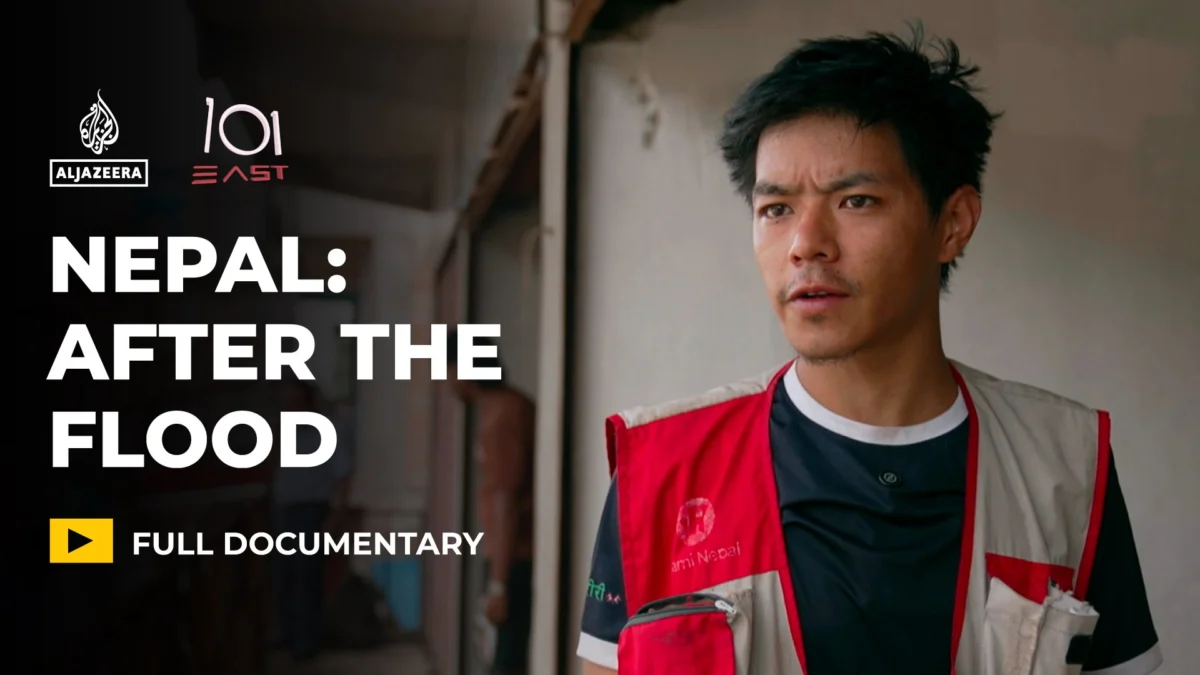
Against this grim backdrop of environmental vulnerability and human loss, current documentary reporting from 101 East captures the harrowing reality on the ground, revealing Nepal’s profound and urgent efforts to save lives and rebuild shattered communities in the wake of the deadly natural disaster. The programme provides an intimate, unsparing look into the day-to-day operations of the disaster response, shadowing the brave rescuers who risk their lives every single day. Operating in treacherous terrain where unstable ground, blocked routes, and unpredictable weather continue to threaten safety, these search-and-recovery teams are scouring the banks of swollen rivers and digging through massive piles of rubble and glacial silt in a desperate race against time to find the missing.
Yet, the crisis extends far beyond the physical search for survivors. As rescue operations grind forward, a parallel humanitarian mission is underway to support the thousands of individuals left destitute, injured, and profoundly traumatised by the catastrophe. Aid workers, medical professionals, and community volunteers are stepping in to provide essential relief, establishing makeshift camps and safe havens that offer food, clean water, medical care, and temporary refuge. For children and families who watched their homes vanish in an instant and lost loved ones to the icy floodwaters, the psychological toll is immense. Counselors and support networks are working tirelessly within these relief spaces to help traumatized survivors process their grief and find a semblance of stability amidst the ruins.
Through the lens of 101 East, the unfolding story in Nepal is ultimately one of resilience and determination in the face of overwhelming odds. Even as the nation grapples with the immediate emergency and mourns its dead, the long road to recovery has begun. Communities accustomed to living in the shadow of the world’s highest mountains are once again demonstrating profound endurance, banding together alongside national and international aid efforts to pick up the pieces. As search operations continue for the thousands still missing, Nepal’s ongoing struggle underscores a stark global reality about the mounting human cost of climate change, highlighting the urgent need for support, adaptation, and resilience in vulnerable regions worldwide.
| Source | : | Finance Poetry |
| Author | : | rifanmuazin |
| Editor | : | Finance Poetry Editorial Team |