
National Beef Inc. Signals Relief as US Cattle Industry Dips Past Worst of the Downturn
Major meatpacker National Beef Inc. has signaled that the United States cattle industry is finally turning a corner, reporting its strongest profit margin in two years following a protracted period of severe supply constraints and surging operating costs.
Speaking to journalists on Thursday, National Beef Chief Executive Officer Tim Klein offered an optimistic outlook for the sector, which has faced immense pressures over recent years. “We do believe we are through the worst part of the cycle,” Klein stated, pointing to a combination of shifting market fundamentals that have begun to favor processing facilities.
According to the executive, a calculated reduction in overall slaughter numbers across the United States has directly aided beef plant margins. At the same time, resilient consumer demand for beef has kept retail and wholesale prices elevated, cushioning meatpackers against the high cost of acquiring livestock.
The Missouri-based beef producer, which is controlled by Brazilian parent group MBRF Global Foods SA, reported a margin of 2.1 percent based on earnings before items such as interest and taxes. This financial metric marks the highest profitability level the company has achieved since the third quarter of 2024, representing a welcome turnaround for a sector that has endured extraordinary financial strain.
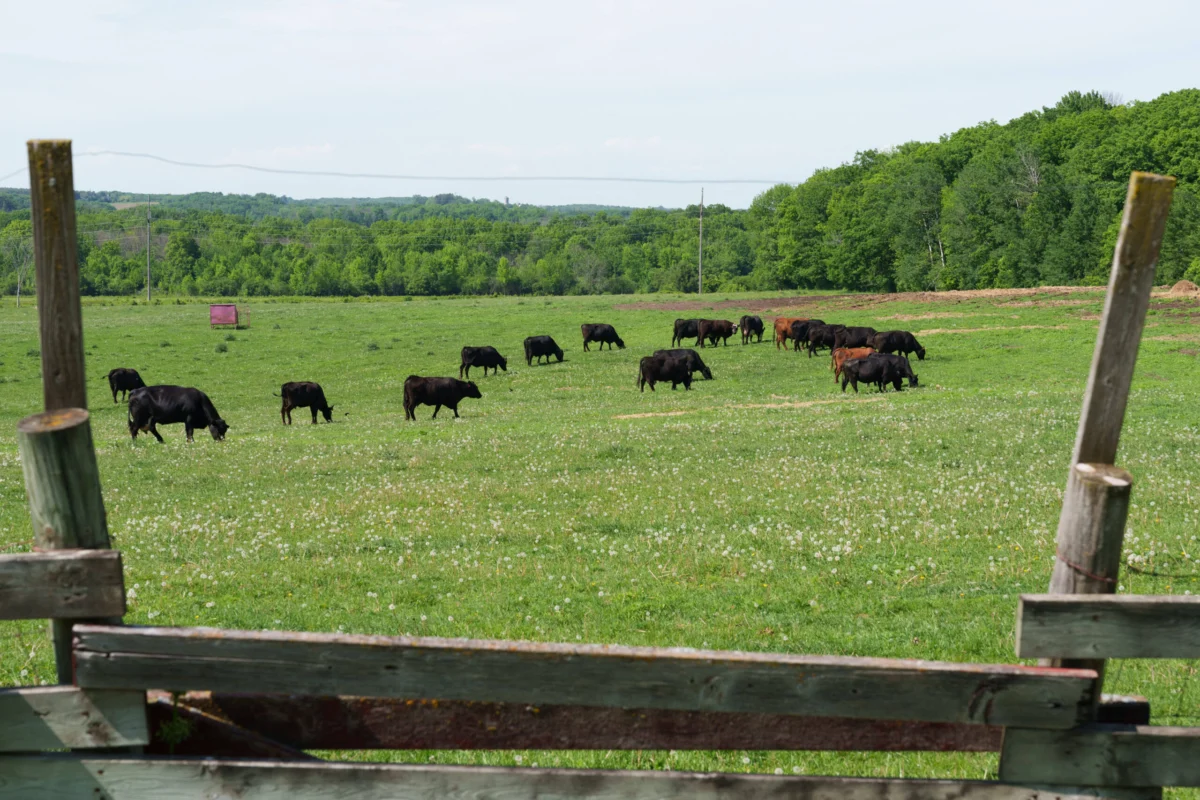
The prolonged downturn in the US cattle industry was primarily triggered by severe and persistent droughts across key cattle-producing regions, alongside escalating feed and operating costs. These combined pressures forced ranchers to liquidate their herds at accelerated rates, causing the overall US cattle inventory to shrink to its smallest size in decades. The resulting scarcity of livestock drove cattle prices to historic highs, severely squeezing the profit margins of meatpackers who struggled to pass the full extent of those costs down to consumers without destroying demand.
Recent corporate earnings reports, however, have signaled a broader wave of relief washing over the industry. Earlier in the week, industry giant JBS NV also reported improving operational results within its US beef unit, mirroring the sentiment expressed by National Beef and reinforcing the narrative that the sector is stabilizing after years of acute turbulence.
The tightening of beef supplies and the subsequent impact on food inflation have also transformed the industry into a matter of intense focus for federal policymakers. Beef prices have remained an outsize driver of overall food inflation, creating persistent political challenges. In response, the administration has implemented targeted measures to help stabilize the market, including encouraging higher volumes of foreign ground beef imports and successfully resuming live cattle shipments from Mexico. Both policy adjustments have injected much-needed relief into the supply chain, assisting meatpackers in maintaining more stable processing volumes.
Beyond the domestic market, parent group MBRF Global Foods SA also reported broader operational tailwinds. The conglomerate’s financial results benefited from growing sales volume within the United States market and higher poultry export figures. These positive gains materialized even as Brazil navigated temporary trade restrictions affecting commerce with Europe, though industry stakeholders anticipate a formal resumption of those shipments in the near future.
Furthermore, Miguel Gularte, chief executive officer of MBRF, addressed concerns regarding animal health challenges, noting that a recent outbreak of Newcastle disease has not significantly affected poultry exports originating out of Brazil, preserving the company’s international supply chains and export revenues.
As National Beef and its industry peers navigate the road ahead, the stabilization of slaughter rates and sustained consumer appetite point toward a more balanced operational environment, offering a measure of financial recovery for meatpackers following years of unprecedented agricultural headwinds.
| Source | : | Finance Poetry |
| Author | : | rifanmuazin |
| Editor | : | Finance Poetry Editorial Team |