
Qatar Resorts to Dark Loadings for LNG Exports Amid Strait of Hormuz Shipping Threats
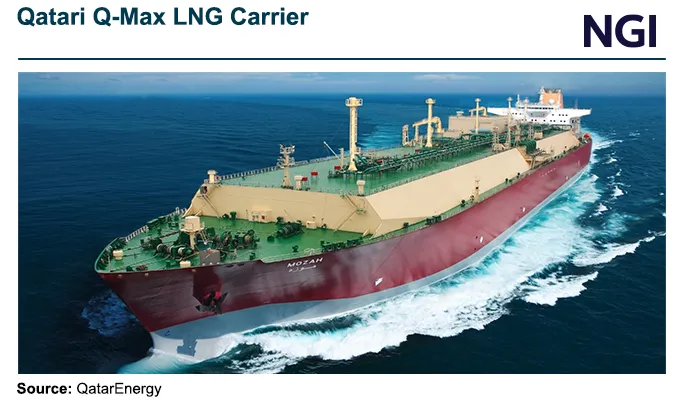
As geopolitical tensions continue to reshape global energy trade routes, Qatar has significantly escalated the practice of "dark loadings" for its liquefied natural gas (LNG) carriers. According to recent intelligence and tracking data, vessels are taking on super-chilled fuel at Qatari terminals without transmitting the automatic identification system (AIS) signals that typically broadcast their real-time location. This strategic shift comes as the Persian Gulf nation navigates a complex security landscape and persistent conflicts that have severely impacted commercial shipping and transit through the vital Strait of Hormuz.
The development highlights the extraordinary measures major energy exporters are willing to take to maintain continuity in international supply chains when regional conflict threatens critical maritime chokepoints. For Qatar, one of the world’s preeminent suppliers of LNG, keeping export channels open while safeguarding vessels and cargo has become an operational priority of the highest order.
Vessel tracking firm Kpler revealed that its analysts have detected a noticeable surge in these obscured loadings at Qatar’s sprawling Ras Laffan Industrial City. The activity has picked up substantially since late August, identified not through traditional transponder tracking, but rather through meticulous monitoring of high-resolution satellite imagery and localized tugboat movements around the port facilities.
The necessity for these covert operations is deeply rooted in the compounding vulnerabilities facing Qatar’s energy infrastructure and export logistics following earlier escalations in the region. Earlier this year, Ras Laffan Industrial City—the beating heart of the nation’s massive natural gas export apparatus—was targeted in Iranian drone strikes. The attacks inflicted direct damage on two critical liquefaction trains within the industrial complex.
That damage temporarily knocked out approximately 17% of Qatar’s total national production capacity, dealing a severe blow to an already tight global market. While repair and recovery efforts have been underway, the psychological and physical security implications for maritime transport in the immediate vicinity have persisted. The Strait of Hormuz, through which a massive share of the world’s seaborne petroleum and LNG must pass to reach global buyers in Asia and Europe, has increasingly become a zone of heightened risk for commercial shipping.
By disabling transponders or operating with limited signal transmission during the loading phase, operators and exporters are attempting to shield high-value Qatari Q-Max and Q-Flex LNG carriers from potential surveillance or targeted disruptions. These massive vessels represent some of the largest specialized tankers on the water, designed to achieve maximum economies of scale for long-distance transport. Protecting them from asymmetric threats in narrow maritime corridors has forced a departure from standard, transparent shipping practices.
The implications of Qatar’s dark loadings extend far beyond the immediate waters of the Persian Gulf, rippling outward into the broader architecture of the global LNG market. Energy traders, shipping companies, and market analysts are closely monitoring these developments to gauge the true volume of gas successfully clearing Qatari ports and finding its way to key international destinations.
As energy security remains a paramount concern for importing nations, particularly across parts of Europe and energy-hungry Asian economies, any disruption or adaptation in Qatari export methods carries significant weight. The combination of lost production capacity from the earlier drone strikes at Ras Laffan and the logistical workaround of dark loadings underscores the fragile equilibrium currently governing international energy trade.
Market observers note that while Qatar maintains its resolve to fulfill contractual obligations and supply international customers, the operational reality on the ground—and on the water—has entered an unprecedented phase. As long as security concerns persist in and around the Strait of Hormuz, the reliance on satellite reconnaissance and alternative vessel tracking methodologies will likely remain a crucial tool for understanding the true pulse of Middle Eastern energy exports.
| Source | : | Finance Poetry |
| Author | : | rifanmuazin |
| Editor | : | Finance Poetry Editorial Team |