
UK Financial Watchdog Warns Tech Giants Over AI Agents Offering Financial Services
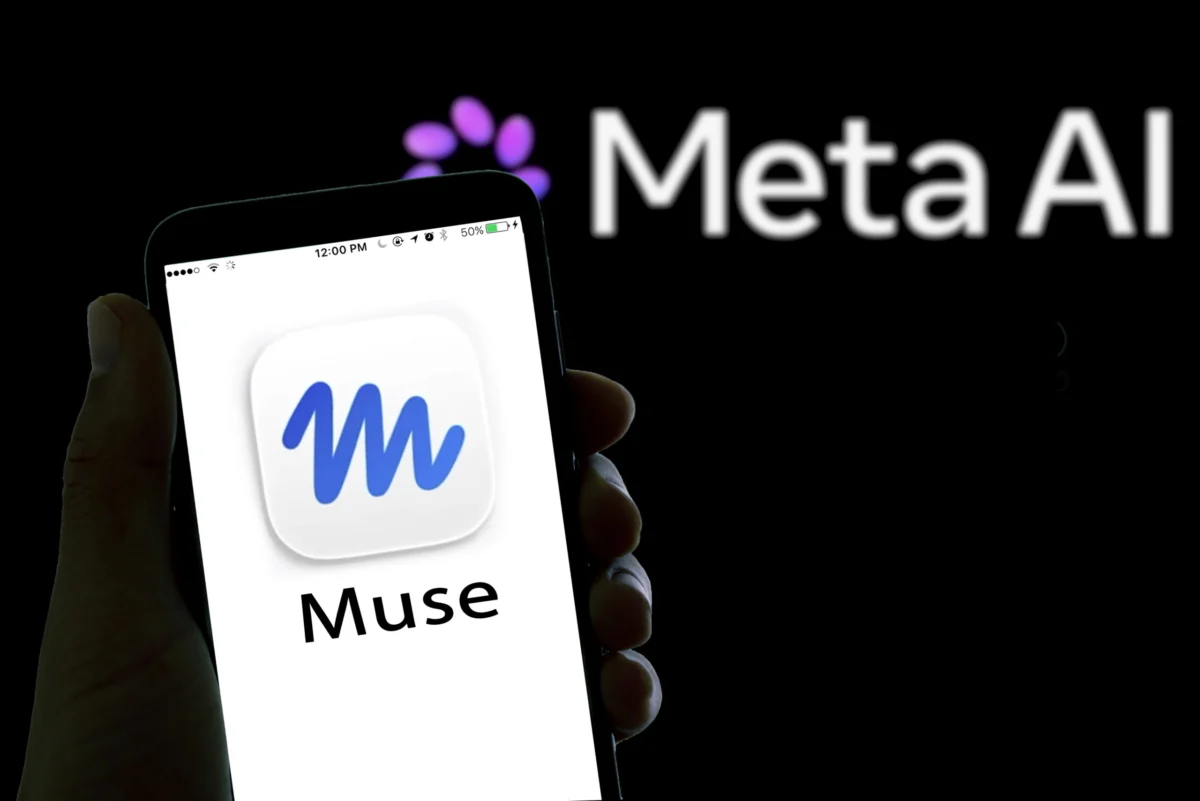
Britain’s financial watchdog has issued a stark warning to technology companies and social media giants, stating that autonomous artificial intelligence agents offering financial services could face swift regulatory enforcement action. The Financial Conduct Authority (FCA) used its latest industry guidance to urge technology firms developing automated tools to engage early with supervisors, emphasizing that labels like "tech provider" will not shield them from compliance obligations if their software enters regulated territory.
The regulatory warning, issued on Tuesday, coincided precisely with Meta’s official launch of its Muse AI agent into the United Kingdom market. The arrival of Muse in Britain brings advanced consumer-facing automation to the region, allowing users to perform routine administrative and financial chores such as renewing car insurance, chasing corporate refunds, and executing online purchases. However, unlike its deployment in other jurisdictions, the UK version of the assistant will launch with significant limitations, initially lacking the ability to access bank account statements, view balances, check investment holdings, manage mortgages, or provide personalized financial guidance.
The FCA’s statement did not explicitly name any individual companies, directing its overarching guidance broadly at any technology enterprise considering the rollout of agentic products within the UK. Nevertheless, the timing underscored growing anxieties within both traditional banking halls and regulatory offices regarding how rapidly technology platforms are encroaching upon the lucrative financial services sector. The core of the regulator’s message centers on legal substance rather than corporate branding: simply describing a business as a technology provider does not grant an exemption from financial regulation if the software products include regulated activities such as issuing financial promotions, dispensing financial advice, or facilitating payment services.
This friction highlights a broader strategic battleground as the global financial sector grapples with growing concerns that AI agents could serve as Trojan horses for major technology conglomerates to expand deeper into profitable banking and financial domains. Traditional financial institutions have already voiced sharp anxieties, repeatedly calling on regulators to closely scrutinize the deployment of conversational AI chatbots and automated assistants used to deliver financial advice directly to everyday consumers. Banks argue that uneven regulatory playing fields could expose consumers to unseen risks if tech platforms intermediate customer relationships without bearing the same compliance burdens as chartered lenders.
Meta’s Muse has rapidly evolved into one of the fastest-growing consumer applications on record, having clocked up more than 10 million downloads globally since its initial deployment in the United States back in September. Its meteoric rise has caught the attention of regulators worldwide, who are racing to understand the implications of autonomous software agents acting on behalf of users in complex commercial environments.
However, regulatory friction and compliance hurdles have forced a fragmented rollout for the platform across different international markets. Unlike the expansive capabilities of the US version, Muse in the UK has been intentionally constrained to comply with domestic legal expectations. Meta confirmed that the British iteration of the assistant cannot currently tap into users’ sensitive financial data, such as bank account balances, investment portfolios, or mortgage details, meaning it cannot offer tailored budgeting recommendations or personalized financial advice to British consumers.
A spokesperson for Meta addressed the regulatory landscape, confirming that the social media giant has maintained open channels of communication with the appropriate regulatory authorities. The spokesperson noted that Meta ultimately wants to connect Muse directly to UK banking and financial services, but stressed that this integration will only happen after thorough consultations with regulators and the acquisition of any necessary licenses to ensure strict compliance with local laws.
In tandem with its warning to technology developers, the FCA also turned its attention to the end-users of these emerging technologies, issuing precautionary advice for British consumers. The watchdog advised anyone utilizing AI agents to carefully examine and understand what consumer protections, if any, they maintain if a transaction goes wrong, an error occurs, or a financial product misfires. Furthermore, the FCA urged individuals to remain vigilant about the nature of the data they share with these autonomous systems, evaluating whether the information they input is handled safely and securely.
The reporting for this coverage was led by Phoebe Seers in London and Pushkala Aripaka in Bengaluru, with editorial oversight provided by Tommy Reggiori Wilkes, Conor Humphries, and David Goodman.
| Source | : | Finance Poetry |
| Author | : | rifanmuazin |
| Editor | : | Finance Poetry Editorial Team |