
Eisenkot Chosen Over Netanyahu to Form Israel’s Next Government
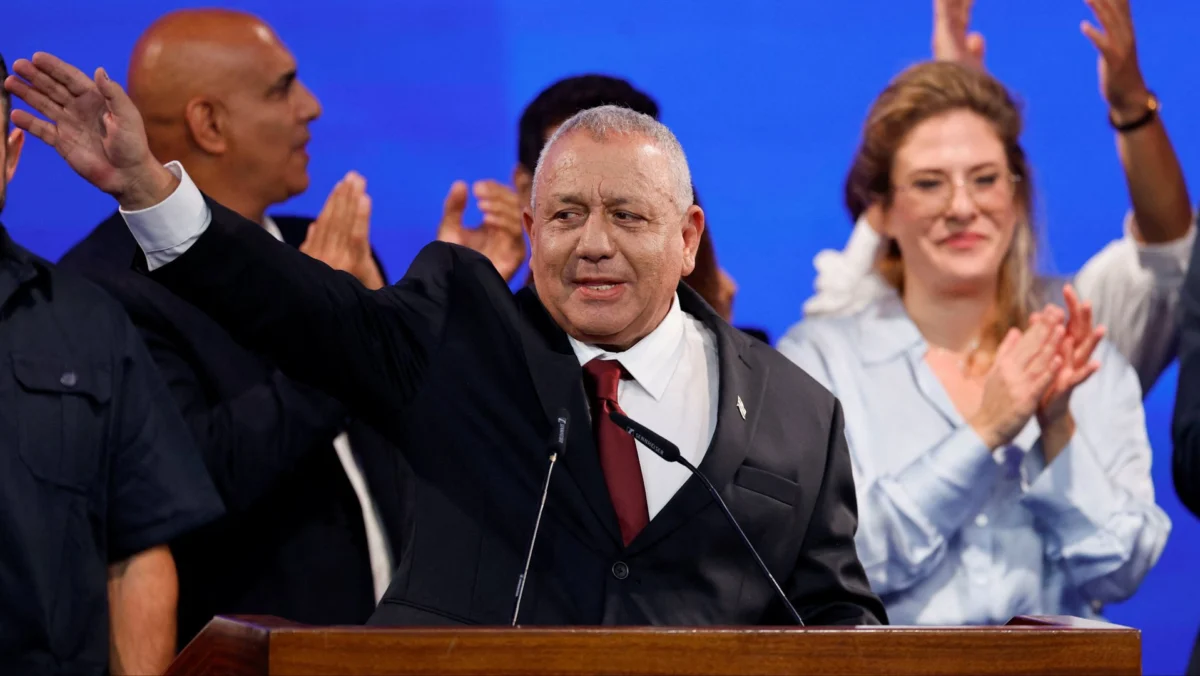
In a stunning political development that
marks a historic shift in Israel’s contemporary political landscape, opposition leader Gadi Eisenkot has been officially selected by the country’s president to form the next government. This pivotal decision bypasses incumbent Prime Minister Benjamin Netanyahu, who has long dominated the nation’s executive branch, setting the stage for a dramatic reconfiguration of power in Jerusalem.
The announcement has sent ripples through the political establishment, altering the trajectory of governance at a critical juncture. According to detailed reporting and analysis from Al Jazeera’s Nour Odeh, the extraordinary turn of events was catalyzed by a rare convergence of disparate political factions. Opposition to Prime Minister Benjamin Netanyahu ultimately served as the unifying force that brought together various political parties, bridging ideological divides that had long fragmented the opposition and prevented a cohesive front against the veteran leader.
The mandate handed to Eisenkot places the former military chief at the center of national leadership negotiations. As the designated leader tasked with coalition-building, Eisenkot faces the intricate and formidable challenge of uniting a diverse array of political stakeholders into a stable ruling majority. The coalition talks are expected to test his political acumen, requiring delicate negotiations to satisfy the competing demands of parties that share little common ground beyond their collective opposition to Netanyahu’s prolonged tenure.
For Netanyahu, this presidential decision represents a significant setback, challenging his enduring grip on power and forcing him and his political allies into a defensive posture. Over successive election cycles and political crises, Netanyahu had frequently navigated complex parliamentary arithmetic to secure his position at the helm of the Israeli government. However, the shifting alliances within the Knesset and the rising momentum of the opposition bloc have culminated in this decisive presidential intervention.
Political analysts note that the path forward will not be without hurdles. Forming a government under Israel’s proportional representation system inherently demands extensive compromise and coalition agreements. Eisenkot’s ability to successfully navigate these negotiations will determine whether the opposition can translate its united stance against Netanyahu into a durable, functioning administration capable of steering the country through its pressing domestic and regional challenges.
As the political machinery in Jerusalem gears up for intensive coalition talks, all eyes remain on Eisenkot and the allied faction leaders as they embark on the arduous process of government formation. The coming days and weeks will reveal whether this unprecedented coalition of diverse political interests can hold together to establish Israel’s next government, fundamentally altering the nation’s political future.
| Source | : | Finance Poetry |
| Author | : | rifanmuazin |
| Editor | : | Finance Poetry Editorial Team |