
Regulatory Enforcement Surge: SEC and State Authorities Intensify Crackdown on Ponzi Schemes and Digital Asset Fraud
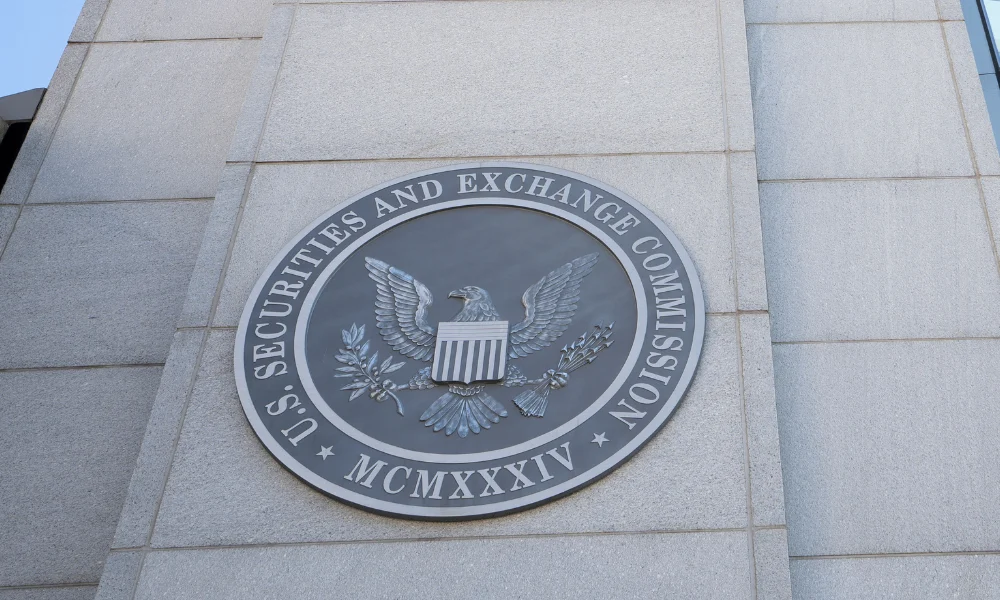
In a year marked by a aggressive regulatory posture, federal and state authorities have mounted a coordinated offensive against financial misconduct, with broker-dealer enforcement actions surging by 66 percent. The fiscal year 2026 results, released by the Securities and Exchange Commission (SEC) and the North American Securities Administrators Association (NASAA), paint a picture of a tightening regulatory landscape where Ponzi schemes, digital asset scams, and the exploitation of vulnerable investors have become the primary targets of oversight.
The U.S. Securities and Exchange Commission filed 348 enforcement actions during the fiscal year that concluded on September 30, 2026. These actions resulted in more than $1 billion in ordered monetary relief, a significant portion of which—approximately $731 million—has already been earmarked for return to more than 250,000 investors who suffered losses due to illicit activities. On the state level, the intensity was equally high. According to the NASAA’s 2026 Enforcement Report, state securities regulators brought more than 1,000 independent enforcement actions, reflecting a massive, multi-tiered effort to safeguard market integrity.
These regulatory reports document a synchronized effort to address evolving threats. Regulators at every level of government have sharpened their focus on systemic risks, specifically targeting the resurgence of classic Ponzi schemes, the growing complexity of cross-border fraud, and the rampant proliferation of digital asset scams. Furthermore, there is an explicit emphasis on protecting retail investors and the aging population, who have increasingly become the targets of sophisticated financial predators.
The SEC’s fiscal year results highlight the magnitude of the agency’s financial intervention. Of the $1.095 billion in total monetary relief ordered, $752 million was attributed to disgorgement and prejudgment interest, while $343 million was levied in civil penalties. A key component of the SEC’s strategy this year was the focus on individual accountability. Two-thirds of all standalone enforcement actions included charges against at least one individual, a strategic decision designed to bolster deterrence by ensuring that wrongdoers, rather than just corporate entities, face direct consequences.
"The success of the SEC’s enforcement program is ultimately measured by how effectively it advances the SEC’s mission, protects investors, holds wrongdoers accountable, and strengthens confidence in our markets," said SEC Chairman Paul S. Atkins. Supporting this mission, David Woodcock, director of the SEC’s Division of Enforcement, noted that the agency had spent the year performing a comprehensive review of its investigative docket, refining its internal capabilities, and launching several strategic initiatives aimed at modernizing its response to financial crime.
Retail Fraud and Ponzi Schemes Draw Heaviest Scrutiny
The 2026 enforcement calendar was characterized by a high volume of Ponzi scheme litigation, which remains a persistent threat to retail investors. Among the most significant cases was the SEC’s action against Goliath Ventures, Inc. and its founder and CEO. The firm was accused of orchestrating a multi-year scheme that successfully solicited at least $425 million from more than 1,300 investors. In another notable instance, the SEC charged three founders involved in a Ponzi scheme that specifically targeted Orthodox Jewish communities in New Jersey and New York, allegedly raising approximately $47 million from over 87 investors. Additionally, the agency moved against AKL Transport LLC and its founder, who were charged in connection with a scheme that extracted at least $127 million from roughly 765 investors nationwide.
Beyond traditional Ponzi structures, the SEC signaled a distinct focus on pre-IPO fraud, a sector where investors are often susceptible to promises of early access to high-growth companies. The Commission brought charges against private fund adviser Adit Ventures Management and its CEO for defrauding investors in pre-IPO shares. The allegations included the misappropriation of client assets and the imposition of millions of dollars in undisclosed fees. A similar action was leveled against Meyer Global Management and its CEO, who were accused of defrauding investors in connection with pre-IPO securities related to SpaceX and other private firms. Furthermore, the SEC charged boiler room operator Andrew Spaventa, alleging that he defrauded retail investors of $74 million through a scheme that purported to offer access to pre-IPO shares while concealing hidden costs.
The SEC’s whistleblower program continues to be a cornerstone of these enforcement efforts. During the fiscal year, the program received approximately 26,000 tips—the highest volume since fiscal year 2023. The agency distributed more than $158 million in awards to 65 individuals. Since its inception in 2011, the program has been a catalyst for justice, with the SEC ordering more than $11 billion in financial remedies in cases where whistleblower information played a critical role.
State Regulators Step Up on Digital Fraud and Senior Protection
State securities regulators maintained a blistering pace of activity throughout 2025. According to the NASAA report, state members managed more than 9,000 active investigations and filed 1,036 civil, administrative, and criminal actions against 1,236 individuals and entities. These state-level efforts resulted in more than $437 million in restitution for harmed investors and an additional $383 million in fines and penalties.
The most notable shift in state-level enforcement was the aggressive targeting of the broker-dealer industry. NASAA members brought 143 actions naming broker-dealers as respondents or defendants, representing a 66 percent increase over 2024. Even more striking was the 123 percent year-over-year rise in actions against individual broker-dealer agents. Enforcement against investment advisers also saw substantial growth, with actions against advisory firms rising by 30 percent and against their representatives by 61.5 percent.
Digital assets have become a primary theater of conflict. State regulators opened 677 new investigations into cryptocurrency or digital assets in 2025, up from 463 in the previous year, resulting in 83 enforcement actions. "Pig butchering" schemes, which involve the cultivation of long-term online relationships before the sudden drainage of a victim’s financial accounts, accounted for 215 of these investigations. Social media-based fraud drove an additional 181 investigations.
Older investors remain the most vulnerable demographic. State regulators received 4,690 complaints regarding alleged misconduct against seniors in 2025, a 30 percent increase from the 3,613 complaints recorded in 2024. Investigators opened 1,977 new cases specifically involving older investors, leading to 158 enforcement actions. Crypto and digital assets were the leading product categories linked to senior exploitation, accounting for 359 investigations. In a display of regulatory cooperation, a multi-state action secured approximately $27.25 million in total restitution from major brokerage firms that had been charging excessive, non-standard commissions on small-dollar transactions—sometimes as high as $95—well above the typical 5 percent threshold.
New Internal Units Aim to Sharpen Future Enforcement
To maintain this momentum, the SEC’s Division of Enforcement spent the fiscal year modernizing its operational structure. The agency formed a new Retail Fraud Working Group tasked with the early identification and disruption of schemes targeting everyday investors, such as impersonation scams and market manipulation. Concurrently, a new Financial Reporting and Accounting Unit was established to concentrate expertise on the early detection of accounting fraud.
Perhaps the most significant structural change was the creation of the Office of Super Intelligence and Analytics. This office is designed to integrate data-driven techniques—including AI-enabled anomaly detection, accelerated document review, and enhanced blockchain and financial-flow analysis—directly into the SEC’s investigative workflows. The Commission also updated its Enforcement Manual for the first time since 2017 to standardize the Wells process, increase transparency in settlement procedures, and clarify the framework used for evaluating cooperation from entities under investigation.
State regulators have similarly prioritized inter-jurisdictional collaboration. NASAA members received 1,428 referrals from external agencies in 2025, with the Financial Industry Regulatory Authority (FINRA), federal partners like the FBI and the Department of Justice, and other state law enforcement agencies accounting for the bulk of these referrals.
As the regulatory environment continues to evolve, the current generation of wealth managers and advisors—including those recently recognized by InvestmentNews as top rising stars—will find their careers unfolding against a backdrop of intensifying scrutiny. For independent advisors, understanding these shifts in enforcement priority is no longer optional; it is a fundamental requirement of modern practice management. The 2026 data serves as a clear indicator that while the tools of fraud are becoming increasingly complex, the reach and technological capabilities of the regulators are growing to match them.
| Source | : | Finance Poetry |
| Author | : | rifanmuazin |
| Editor | : | Finance Poetry Editorial Team |