
Insights from FPA NorCal: Michael Kitces on the Drivers of Advisor Satisfaction

The financial advice profession is currently navigating a period of profound transformation, characterized by rapid technological integration, evolving regulatory landscapes, and a shifting demographic of both practitioners and clients. Amidst this backdrop, the Financial Planning Association (FPA) NorCal conference in San Francisco recently served as a critical nexus for industry leaders to dissect the factors currently shaping the daily lives and long-term career satisfaction of financial advisors.
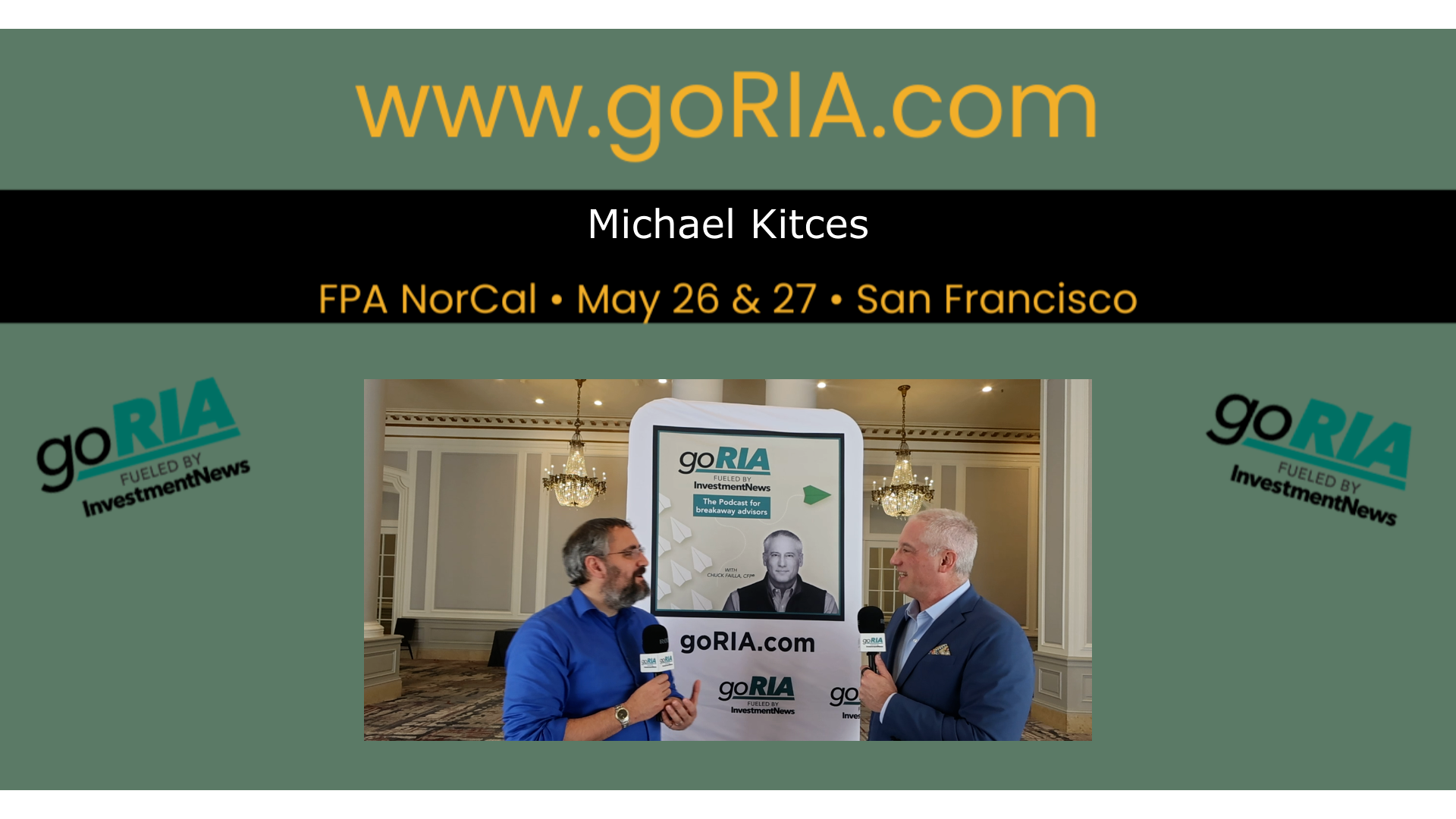
In a candid, live recording session at the event, industry analyst and commentator Chuck caught up with Michael Kitces, head of planning strategy at Buckingham Wealth Partners and a prominent voice in the financial planning community. Their conversation delved deep into one of the most pressing questions facing firm owners and individual practitioners alike: What truly makes financial advisors happy?
The Evolving Definition of Advisor Satisfaction
The discussion centered on the premise that "happiness" in the context of financial advisory work is not a static concept. As the profession matures, the metrics for success have expanded far beyond mere assets under management (AUM) or profitability. Kitces, known for his rigorous analysis of the advisor business model, explored how the nature of the work itself influences the emotional and professional well-being of those in the field.
For many years, the industry standard for success was primarily focused on growth and scale. However, as the profession has moved toward a more holistic, fee-based financial planning model, the stressors and the rewards have shifted significantly. Kitces highlighted that advisor satisfaction is increasingly tied to the ability to provide meaningful, high-impact advice. When advisors feel that they are truly making a tangible difference in their clients’ lives—moving beyond simple investment performance to comprehensive life planning—their professional fulfillment tends to rise.
Yet, this shift brings its own challenges. The complexity of modern financial planning requires a broader skill set and a higher commitment to ongoing education. The pressure to stay current with tax law, estate planning, behavioral finance, and technological tools can be overwhelming. The conversation explored whether this "complexity trap" is a primary driver of advisor burnout, and how successful firms are managing this burden to ensure their teams remain engaged and motivated.
The Role of Technology and Operational Efficiency
A significant portion of the dialogue was dedicated to the impact of technology on the advisor’s day-to-day experience. While technology is often touted as the ultimate solution to efficiency, Kitces noted that it can also be a source of significant friction. When tools do not integrate seamlessly, or when the sheer volume of platforms requires too much administrative overhead, the advisor’s focus is pulled away from the client.
The happiness of an advisor is often directly correlated with the "frictionless" nature of their practice. Those who have successfully implemented robust, integrated tech stacks often report higher levels of satisfaction because they are spending less time on manual data entry and more time on the interpersonal work that brought them to the profession in the first place. Kitces emphasized that the most satisfied advisors are those who have mastered the art of delegation and automation, effectively building systems that serve their practice rather than becoming slaves to the administrative requirements of their software.
Furthermore, the discussion touched on the importance of firm culture. In an era where remote and hybrid work models are common, maintaining a cohesive, supportive, and intellectually stimulating environment is more difficult—yet more vital—than ever. Advisors who feel supported by their leadership, who have access to mentorship, and who operate within a culture that prioritizes professional development over purely transactional goals, are significantly more likely to report high levels of satisfaction.

Sustaining Growth and Engagement in a Changing Landscape
The FPA NorCal conference has long been a barometer for the state of the financial planning industry, and this year’s discussions underscored a growing awareness that the future of the profession depends on the sustainability of the advisor’s role. As the industry continues to consolidate and larger firms acquire smaller practices, the nature of the "advisor experience" is changing.
For independent advisors, the challenge is maintaining autonomy while accessing the resources necessary to compete. For those working within larger organizations, the challenge is finding a sense of purpose and agency within a broader corporate structure. Kitces pointed to the importance of autonomy as a fundamental human need, even within a corporate setting. Advisors who feel they have the freedom to craft their own client experience and exercise their professional judgment are generally happier than those who are constrained by overly rigid, top-down mandates.
The conversation also touched on the critical role of community. The camaraderie found at events like FPA NorCal is not merely social; it is a vital support system. Sharing experiences, discussing common frustrations, and learning from peers who are navigating similar hurdles helps to mitigate the isolation that can often accompany the advisory role. When advisors feel part of a broader mission to elevate the profession and better serve the public, that collective identity becomes a powerful buffer against the stressors of the job.
Future Perspectives on the Advisory Profession
As the industry looks toward the coming years, the question of advisor happiness will continue to be a primary focus for firm leaders and industry observers. As more sophisticated AI tools enter the market and the expectations of clients continue to rise, the role of the human advisor will be tested. Will technology replace the advisor, or will it liberate them to be more effective?

Kitces’ insights suggest that the answer lies in the advisor’s ability to evolve. Those who embrace the role of the "human advisor"—focusing on empathy, behavioral coaching, and deep client relationships—are likely to find the most satisfaction in the years ahead. While the technical aspects of financial planning can be automated or outsourced, the ability to build trust and navigate complex human emotions remains a distinctly human skill set that is both highly valued by clients and deeply rewarding for the practitioner.
The dialogue concluded with a focus on the importance of intentionality. Advisors who proactively manage their practices, set clear boundaries, and stay true to their core values are the ones who ultimately find long-term happiness in this demanding profession. By prioritizing the human element of their work and leveraging technology to enhance, rather than dictate, their processes, advisors can build practices that are not only profitable but also personally fulfilling.
The FPA NorCal event provided a platform for these essential conversations, reminding attendees that while the industry is defined by numbers, portfolios, and regulations, its true heartbeat remains the human advisor. Through thoughtful discussion and a commitment to continuous improvement, the financial planning community continues to refine what it means to be a successful and satisfied advisor in an increasingly complex world.
This session with Michael Kitces served as a reminder that the path to a sustainable and fulfilling career in financial planning is a journey that requires constant adaptation, a willingness to challenge the status quo, and an unwavering focus on the core value that advisors provide to their clients every single day. As the profession moves forward, the insights shared in San Francisco will undoubtedly help many practitioners navigate the challenges ahead with a clearer sense of purpose and a renewed commitment to their own professional well-being.
| Source | : | Finance Poetry |
| Author | : | rifanmuazin |
| Editor | : | Finance Poetry Editorial Team |