
Navigating E&O Insurance: Insights from the FPA NorCal Conference
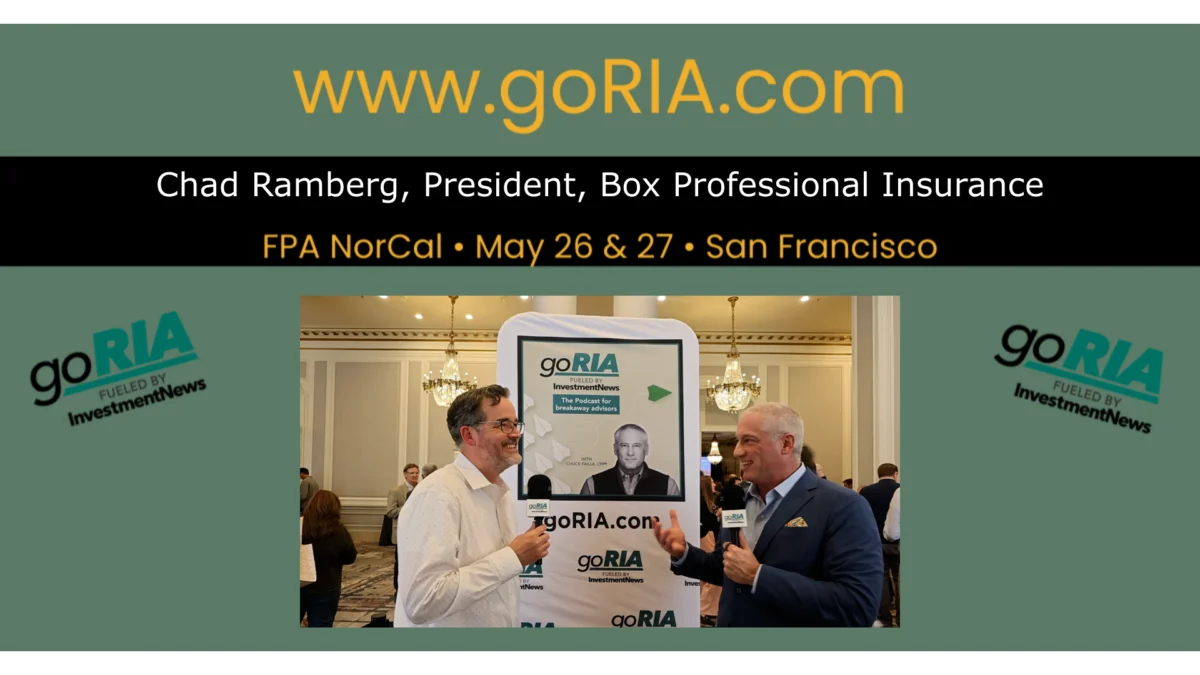
The FPA NorCal conference, held annually in the heart of San Francisco, serves as a vital nexus for the financial planning community. This year’s gathering brought together thought leaders, industry innovators, and practitioners to dissect the evolving landscape of wealth management. Among the diverse array of discussions taking place on the conference floor, one critical operational pillar took center stage: the specialized nuances of Errors and Omissions (E&O) insurance for Registered Investment Advisors (RIAs).
In a featured segment broadcast live from the event, Chuck sat down with Chad Ramberg, President of Box Professional Insurance, to explore the complexities of risk management. The conversation moved quickly beyond generic coverage, drilling down into why the traditional "one-size-fits-all" approach to insurance is increasingly inadequate for modern advisory firms. As the regulatory environment becomes more complex and the services offered by RIAs continue to expand in scope and technicality, the necessity of working with a specialist in the field has become a central theme for firm owners looking to protect their practices.
The Strategic Necessity of Specialized Coverage
For many RIAs, insurance is often viewed as a commodity—a box to be checked to satisfy compliance requirements or contractual obligations with custodians. However, Ramberg’s insights highlight a growing realization across the industry: not all E&O policies are created equal, and the discrepancies can be catastrophic in the event of a claim.
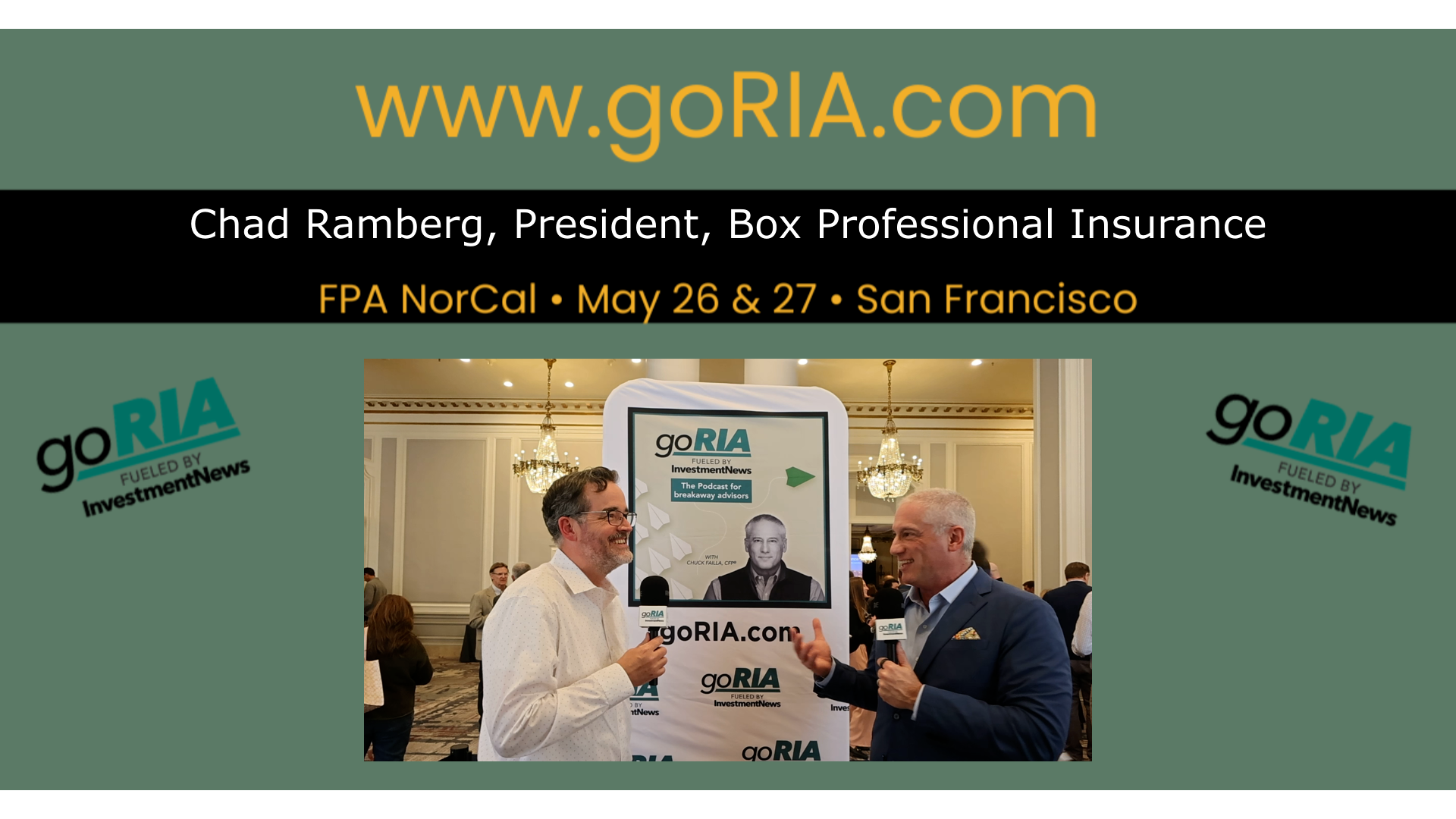
The discussion emphasized that the specialized nature of investment advisory work requires a tailored lens. When an RIA encounters a claim, the nuances of their business model—whether they are focused on comprehensive financial planning, outsourced chief investment officer services, or niche tax planning—can drastically alter the nature of the legal defense required. A broker who lacks deep experience in the RIA space might fail to account for these specific operational risks, leading to coverage gaps that leave the firm’s balance sheet, and its reputation, vulnerable.
Ramberg pointed out that working with a specialist allows firm principals to move from a defensive posture to a more strategic risk management framework. By understanding the common pitfalls and the specific regulatory exposures that RIAs face today, specialists can help advisors structure their coverage to align with their actual business activities. This alignment is not merely about the bottom line; it is about ensuring the continuity of the firm during periods of intense pressure.
The Evolving Risk Profile of the Modern RIA
The conversation between Chuck and Ramberg underscored that the "why" behind E&O insurance is shifting. Historically, claims against financial advisors were often straightforward disputes regarding performance or suitability. Today, the landscape is significantly more fragmented. With the industry moving toward holistic advice, RIAs are taking on more responsibility for their clients’ overall financial lives, which in turn broadens the scope of potential liability.
As advisors integrate more sophisticated technology, manage complex tax strategies, and navigate the heightened expectations of a more litigious investor base, the risk profile has evolved. Ramberg’s perspective suggests that advisors who treat their E&O policy as a static, "set-it-and-forget-it" expense are missing a significant opportunity to mitigate modern threats. A specialist broker, by contrast, acts as an extension of the firm’s risk management team, keeping pace with these industry shifts and ensuring that the policy remains robust enough to handle the complexities of the current advisory environment.
The FPA NorCal environment provides a unique backdrop for these discussions because it brings together firms of all sizes. From the solo practitioner managing a small group of high-net-worth clients to the multi-office enterprise overseeing billions in assets, the need for specialized guidance remains a common denominator. The takeaway from the session was clear: while insurance is a necessary cost, the expertise behind that policy is the true asset.
Building Resilience in the Advisory Space
The dialogue on the conference floor at FPA NorCal reflects a broader trend within the financial advice community toward professionalization and risk mitigation. As firms continue to scale, the complexity of their internal operations increases, necessitating a more sophisticated approach to every facet of the business, including the protection of the firm’s intellectual and financial capital.

The interaction between Chuck and Ramberg served as a reminder that the best time to review an insurance policy is well before a claim arises. By engaging with specialists, RIA owners can gain clarity on what is covered, where the gray areas exist, and how their insurance program can be structured to provide a genuine safety net. This proactive approach to insurance is consistent with the broader themes seen at the FPA NorCal conference, where the emphasis was on building durable, sustainable, and client-centric practices.
The conference, which featured a robust lineup of speakers and segments—including insights from industry luminaries like Michael Kitces, Terri Kallsen, and Cameo Roberson—highlighted the multifaceted nature of running a successful RIA today. Whether the focus is on technology integration, succession planning, or regulatory compliance, the underlying message remains that firm owners must be diligent in selecting their partners. Insurance, often relegated to the back office, is clearly being elevated to a primary concern for firm principals who recognize that protecting the practice is just as important as growing it.
Looking Ahead at Industry Standards
As the industry looks toward the remainder of 2026 and beyond, the demand for high-level expertise in support services is expected to grow. The FPA NorCal sessions, including the segment on E&O insurance, underscore the value of live, face-to-face discourse in navigating these professional challenges.

For the attendees at this year’s conference, the takeaway was not just a better understanding of insurance, but a more comprehensive view of the risks inherent in the advisory profession. By moving away from generalist insurance solutions and toward a specialist approach, RIAs are better positioned to focus on what they do best: serving their clients and navigating the complex financial lives of the families they support.
The commitment to professional excellence, evidenced by the high quality of discussions at the San Francisco event, suggests that the advisory community is becoming more sophisticated in its operational management. As firms continue to professionalize, the role of specialized insurance will only become more prominent. For those currently evaluating their coverage, the advice shared by Ramberg serves as a roadmap: prioritize expertise, understand the nuances of the policy, and ensure that the protection in place is as dynamic as the advisory practice itself.
The FPA NorCal conference continues to be a vital forum for these essential conversations, providing the platform for industry leaders to share their knowledge and helping practitioners ensure that their firms remain resilient in an ever-changing financial landscape. As the industry evolves, the focus on robust risk management will undoubtedly remain a cornerstone of successful practice management for the foreseeable future.
| Source | : | Finance Poetry |
| Author | : | rifanmuazin |
| Editor | : | Finance Poetry Editorial Team |