
Qatari LNG Exports Hit Busiest Month Since US-Iran Conflict as Tankers Go Dark to Evade Detection
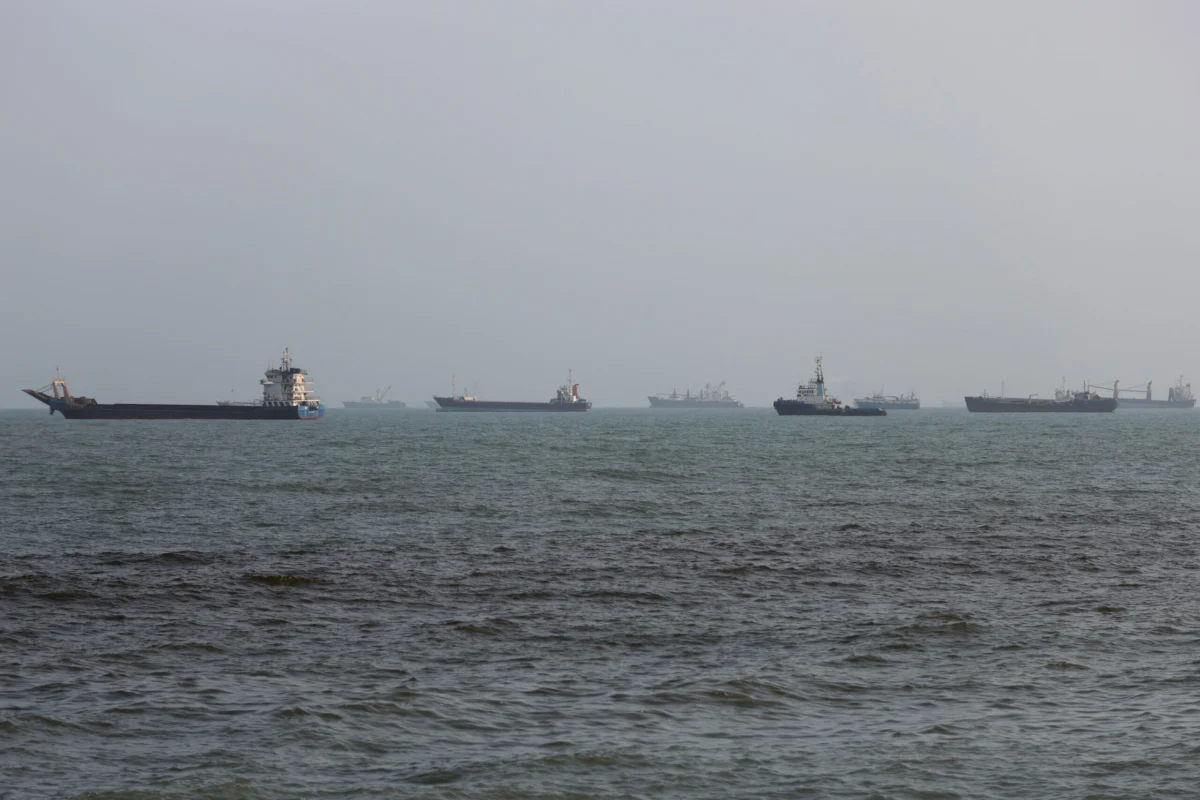
Qatari liquefied natural gas exports are currently on track for their busiest month since the outbreak of the US-Iran conflict, even as the region grapples with a sharp and unprecedented rise in marine insurance costs. According to recent vessel tracking and analytics data, a record number of liquefied natural gas tankers are loading at the country’s primary export hub while actively switching off their tracking signals to navigate the tense geopolitical environment.
Data compiled by energy analytics firm Kpler reveals that there have been 36 liquefied natural gas vessel berthings at Qatar’s sprawling Ras Laffan export terminal so far in November. This figure marks the highest monthly tally recorded since the war erupted at the end of February, already exceeding the 21 berthings registered in September and surpassing the 35 berthings observed in October.
The surge in port activity, however, is accompanied by a notable change in navigational behavior. Of November’s total berthings, an overwhelming 29 were conducted by vessels that were not transmitting Automatic Identification System (AIS) signals. This practice of going "dark" to obscure vessel location has escalated dramatically compared to previous months; only 7 such untelevised berthings were recorded in September, though the number climbed to 27 in October, according to Kpler’s tracking data.
Qatar stands firmly as the world’s largest liquefied natural gas supplier, utilizing the crucial Strait of Hormuz to ship almost the entirety of its production to international markets. While the robust loading activity observed this November signifies the strongest operational pace since the conflict first broke out, overall export volumes still remain subdued, hovering at approximately 40 percent of pre-war levels, according to industry analysts.
Rising Costs
While initial market anxieties following the outbreak of the war centered primarily on physical disruptions and potential blockages to commercial shipping through the narrow and strategic Strait of Hormuz, energy analysts now point out that the more immediate and pressing impact may be economic. Escalating insurance costs are compounding the financial burden of moving liquefied natural gas cargoes out of the Persian Gulf, altering the baseline economics of maritime trade in the region.
War-risk insurance costs levied on commercial ships entering the volatile waters of the Gulf have skyrocketed since the beginning of the year. At the start of the year, these premiums hovered around 0.25 percent of a vessel’s total insured value. Today, those costs have surged to as high as 5 percent, and in certain exceptional cases, have climbed even higher, according to Ikram Elloumi, director of research at energy consultancy Wood Mackenzie.
To put this financial escalation into perspective, consider a modern liquefied natural gas tanker with an estimated market value of approximately $250 million. Under the current extreme insurance rate environment, the extra war-risk coverage can add anywhere from $2.5 million to an astonishing $12.5 million to a single voyage through the Gulf, as calculated by Wood Mackenzie. Meanwhile, older vessels, which typically carry much lower market valuations, face significantly smaller absolute increases in their insurance overhead, though the percentage hikes remain comparably steep.
Navigating who ultimately bears this heavy financial burden is a complex equation dictated by shifting commercial dynamics. As Elloumi points out, the party that ultimately absorbs the cost depends entirely on prevailing market conditions and the relative bargaining power of the entities involved.
In a tight, supply-constrained market, global buyers fiercely competing for limited liquefied natural gas supplies are significantly more likely to absorb the additional insurance costs simply to secure vital energy cargoes. Conversely, when markets are more balanced and supply is more readily available, producers may find themselves forced to absorb a larger share of the expense, resulting in lower net returns on their exported commodities.
These soaring financial liabilities mean that geopolitical risk premiums can no longer be treated as a minor, secondary operational expense. Instead, industry experts emphasize that war-risk premiums are rapidly transforming into a decisive and structural component of global liquefied natural gas trade economics, reshaping how suppliers, charterers, and buyers calculate the cost of energy security.
| Source | : | Finance Poetry |
| Author | : | rifanmuazin |
| Editor | : | Finance Poetry Editorial Team |